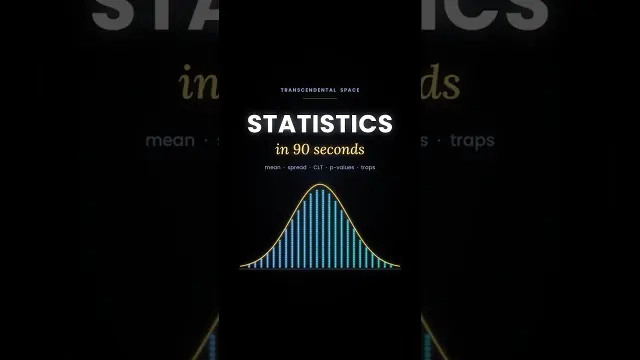
 Core Statistics for Interviews in Ninety Seconds
#Interview Preparation
3 ideas
Core Statistics for Interviews in Ninety Seconds
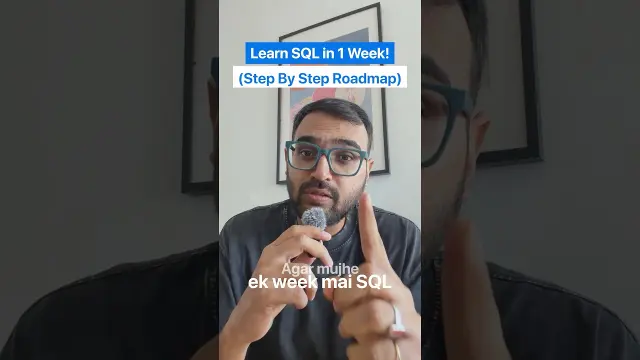 One-Week SQL Learning Plan for Aspiring Data Analysts
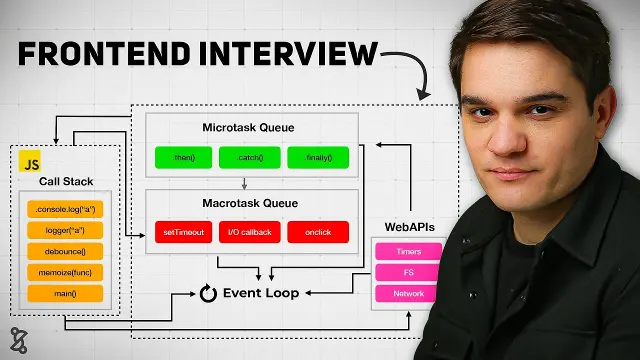 Fifteen Frontend Interview Questions Asked at Senior Level
Get new #Interview Preparation ideas by email
Every Thursday: the week's best ideas, with the newest from #Interview Preparation.
Related tags
Interview Preparation: A Calm, Practical Guide
An interview is a conversation with a purpose, and preparation is what lets you take part in it rather than simply endure it. The idea is not to rehearse a performance or to have a perfect answer for everything, but to arrive knowing enough about the role, the organisation and yourself that you can think clearly under pressure. Most people prepare in some form; the difference between a strained interview and a good one usually lies in how deliberately that preparation is done.
Start with the role, not with yourself
Read the job description closely and more than once. Pick out the handful of things the employer clearly cares about, then ask yourself honestly where you have done those things and where you have not. Look at the organisation too: what it makes, who it serves, how it talks about itself. You do not need to memorise facts, and you should never pretend to know more than you do, but understanding the context turns a generic conversation into a specific one.
Build a small stock of stories
Read more
Many questions, whatever their wording, come down to "tell me about a time when". Prepare a few real examples from work, study or volunteering and practise telling them in a compact shape: the situation, what you did, what happened, what you took from it. Keep them short and concrete. A useful discipline is to have one example for each of the qualities the role seems to need, and to be willing to adapt them on the day rather than force them.
Practise out loud
Reading answers silently feels like preparation but is not. Say them aloud, to a friend if you can, or record yourself. You will notice rambling, filler and answers that never actually land. Prepare a short introduction about yourself, and have two or three questions ready to ask the interviewer, since the questions you ask say as much as the answers you give.
Handle the practical side
Know where you are going, or test the video setup in advance. Have documents, notes and a glass of water within reach. Choose clothes you are comfortable in. Nerves are normal and rarely invisible to a friendly interviewer; slow breathing and a brief pause before answering help more than trying to talk faster.
Afterwards
Send a short, sincere thank-you note. Reflect on what went well and what you would do differently, while it is fresh. Whatever the outcome, the notes you make are the beginning of your preparation for the next one.
#Interview Preparation: frequently asked questions
How should I start preparing for an interview if I feel unready?
Begin with the job description and the organisation, not with memorising perfect answers. Focus on the main responsibilities, identify where your experience matches, and think about what you still need to explain clearly.
What do I need to prepare before an interview?
It helps to have a short introduction about yourself, a few real stories from past work or study, and a couple of questions to ask the interviewer. You should also sort out practical details like documents, notes, travel, or your video setup so you can focus on the conversation.
How do I choose the right examples to talk about in an interview?
Pick examples that match the qualities the role seems to need, such as teamwork, problem-solving, or taking initiative. Keep each story concrete and easy to follow, and be ready to adapt it depending on how the question is asked.
What is the best way to practise interview answers?
Say your answers out loud instead of only reading them silently. Practising with a friend or recording yourself can reveal rambling, filler words, or answers that do not really address the question.
What are common mistakes people make in interview preparation?
A common mistake is preparing generic answers without understanding the role or the organisation. Another is sounding over-rehearsed, which can make it harder to listen and respond naturally in the moment.
How should I act after the interview?
Send a short, sincere thank-you note to show appreciation and keep the conversation on a positive note. Then reflect on what felt strong and what you would handle differently so you can improve for next time.
Videos come from YouTube and posts from Instagram; titles and summaries are our own. All rights belong to their creators.