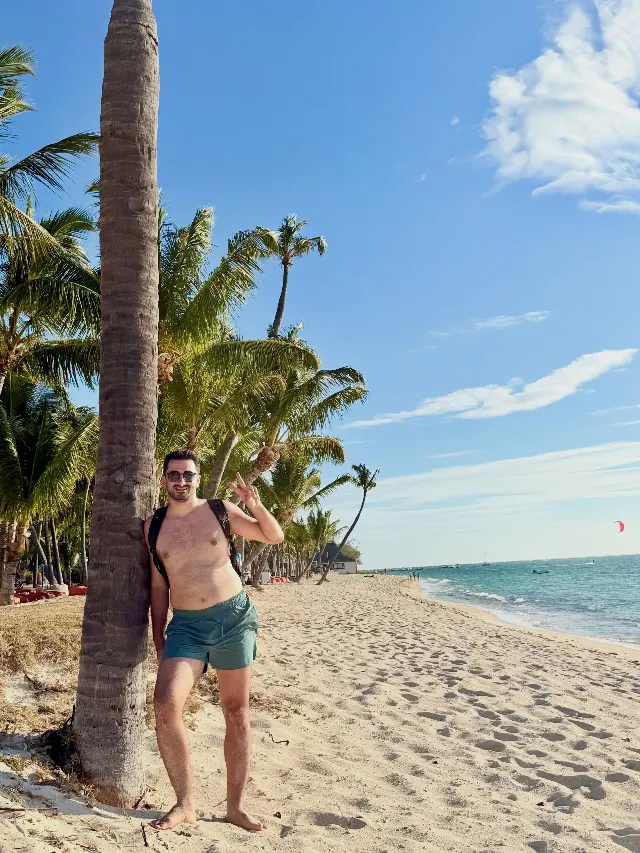
 Tropical Island Scenery and Coastal Views in Mauritius
#Island Getaway
1 ideas
Tropical Island Scenery and Coastal Views in Mauritius
Get new #Island Getaway ideas by email
Every Thursday: the week's best ideas, with the newest from #Island Getaway.
Related tags
Island Getaway: Planning a Slow Escape to the Coast
An island getaway is a trip built around the sea rather than around a list of sights. You travel to a piece of land with a clear edge to it, where the water is never far and the day tends to arrange itself around light, tide and appetite. People come back from these trips describing the same thing: a sense of having been somewhere enclosed and complete, where nothing urgent was waiting.
Why islands change the pace
Geography does most of the work. An island has boundaries you can actually see, so the mind stops planning escape routes and settles. Distances are short, roads go around rather than through, and the horizon does the rest. That is also why island holidays suit different travellers for different reasons: some want quiet and a book, others want to be in the water from morning until dusk.
Kinds of islands, and what they offer
Read more
Islands vary enormously, and the difference shapes everything about the trip.
- Volcanic islands tend to be green and steep, with mountains in the middle, black sand in places and good hiking away from the beach.
- Coral islands are low and flat, ringed by reefs, with calm shallow water and little shade, so sun care matters more.
- Continental islands, broken off from a mainland, often carry unusual plants and animals found nowhere else.
- Small, inhabited islands have their own rhythms: fishing boats, a weekly market, a shop that opens when it opens.
Accommodation follows the same spectrum, from large resorts with everything on site to family guesthouses and self-catering cottages where you cook what the market had that morning.
What beginners should know
Ferries and small planes are weather-dependent, so build slack into the first and last days rather than booking a tight connection. Supplies arrive by boat, which is why some things are simpler and others simply unavailable; ask before you assume. Tides reshape the beach twice a day, and a walk that was easy at noon can be cut off by evening. Reefs are alive and slow to recover, so keep a distance, never stand on coral, and use sun protection that is kind to the water.
Practical habits that make a difference
Pack lighter than you think, in layers, with one warm item for evenings and windy crossings. Bring more sun protection and drinking water than feels necessary, and drink before you feel thirsty. Carry some cash, since small islands often have limited banking. A dry bag for boat days and a pair of shoes that grip wet rock earn their space.
Above all, learn a few words of the local language and buy from the people who live there. The islands that stay worth visiting are the ones where visitors behave as guests. Go slowly, leave the beach as you found it, and let the day be the plan.
#Island Getaway: frequently asked questions
How do I choose which kind of island suits me?
Think about what you want your days to be built from: steep green volcanic islands reward hikers with trails away from the sand, while low coral islands are for people happy to spend hours in calm shallow water. Continental islands appeal if you like unusual plants and animals, and small inhabited islands suit travellers who enjoy markets, fishing boats and a slower local rhythm. Match the island's shape to your energy rather than to a photo.
What should a first-time island visitor know before booking?
Ferries and small planes depend on the weather, so leave room at the start and end of the trip instead of planning a tight onward connection. Remember that supplies come in by boat, so some things are simple to find and others just aren't there — ask before you count on them. Understanding the tides also helps, since a beach walk that feels easy early in the day can be closed off later.
What is worth packing for an island trip?
Pack lighter than you think, in layers, and include one warm layer for breezy evenings and boat crossings. Bring generous sun protection and drinking water, plus a dry bag for days on the water and shoes that grip wet rock. A little cash is useful too, because banking on small islands can be limited.
How should I behave around the reefs and beaches?
Reefs are living things and recover slowly, so keep your distance, never stand on coral, and choose sun protection that is gentle on the water. Leave the beach as you found it and take your rubbish back with you. Visiting as a guest rather than a consumer is what keeps these places worth returning to.
What are the most common mistakes people make on an island getaway?
The usual ones are over-scheduling, treating the trip like a sightseeing checklist, and assuming everything available at home will be available there. Another is underestimating the sun and the tides, which quietly shape what you can do and when. Going slowly and letting the day be the plan tends to fix most of this.
How can I make the trip feel more local?
Learn a few words of the local language and buy from the people who actually live there — the market, the small shop, the family guesthouse. Cooking what the market had that morning, in self-catering accommodation, is one of the simplest ways to feel part of the place. Small gestures of respect go a long way on an island where everyone notices.
Videos come from YouTube and posts from Instagram; titles and summaries are our own. All rights belong to their creators.