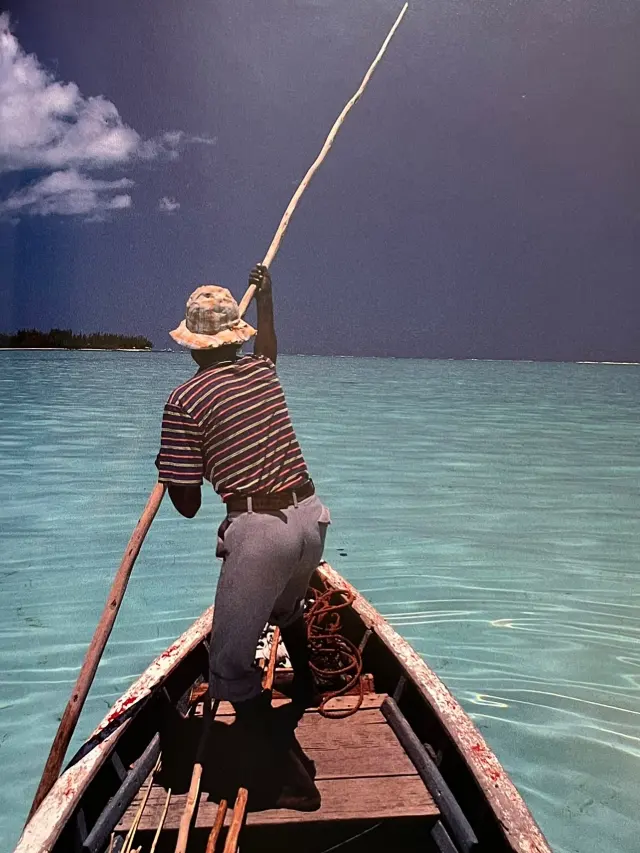
 1997 Book Views of Madagascar, Reunion, Mauritius and Seychelles
#Mauritius
2 ideas
1997 Book Views of Madagascar, Reunion, Mauritius and Seychelles
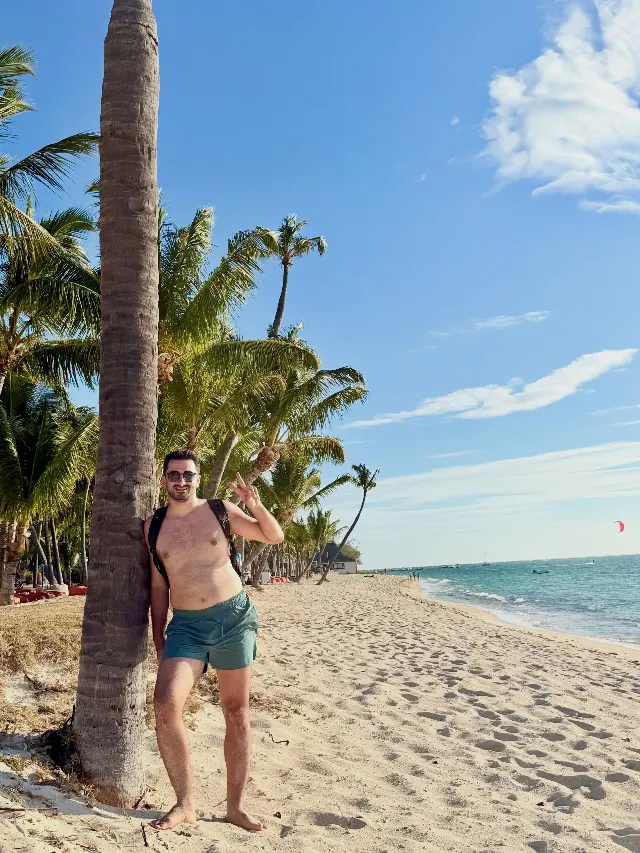 Tropical Island Scenery and Coastal Views in Mauritius
Get new #Mauritius ideas by email
Every Thursday: the week's best ideas, with the newest from #Mauritius.
Related tags
Mauritius: An Island Guide to Landscapes and Culture
Mauritius is a small island nation in the Indian Ocean, lying east of Madagascar and forming part of the Mascarene group together with Réunion and Rodrigues. It is volcanic in origin, built up from the sea floor over a very long stretch of time, and that history shows in its shape: a central plateau rising into forested mountains, rivers cutting down through gorges, and a coastline almost entirely wrapped in coral reef.
A landscape of reef and mountain
The reef is what gives the island its famous look. It breaks the ocean swell and leaves calm, shallow lagoons in shades that shift from pale green to deep blue, with beaches of white sand on the sheltered west and more rugged, wind-worked shores elsewhere. Inland, the land rises quickly. Black River Gorges National Park protects a large area of native forest and is a good place to walk and to look for birds. Near Chamarel you can see the coloured earths, bare hillsides of sand in distinct bands of ochre, red and violet, and a waterfall nearby. Le Morne Brabant, a basalt peak on the southwest coast, is recognised internationally for both its landscape and its history.
People, languages and food
Read more
Mauritius has no single dominant ancestry. The population draws on Indian, African, Chinese and European roots, and that mix is audible: Mauritian Creole is the everyday language for most people, with French, English and Bhojpuri also in use. Hindu, Muslim and Christian communities live side by side, and the calendar is full of festivals that outsiders are generally welcome to watch respectfully.
The food follows the same pattern. Creole cooking leans on tomatoes, ginger, chillies and curry leaves; rougaille, a tomato-based sauce served with fish or meat, is a staple. Dholl puri, a flatbread filled with yellow split peas, is the classic street food, and alouda, a milky drink with basil seeds, is the usual thing to sip in the heat. Sega, the island's traditional music and dance, is recognised by UNESCO as part of humanity's intangible cultural heritage, and you will hear it everywhere from hotel courtyards to village halls. The dodo, a flightless bird found nowhere else and extinct for centuries, remains the national emblem.
Practical notes for a first visit
The climate is tropical, with a hotter, wetter period roughly from November to April and a cooler, drier stretch in the middle of the year. The east and south catch more wind; the west and north are calmer and drier.
- Protect yourself from the sun properly, especially on the water, where reflection makes it stronger than it feels.
- Reefs are fragile. Avoid standing on coral and choose sun protection that is reef-friendly.
- Away from the beach, dress modestly, particularly at temples and shrines, and ask before photographing people.
- Traffic drives on the left, and roads outside the main towns are narrow and winding.
- A few words of Creole go a long way; people are quick to smile at the attempt.
- Carry water, walk early in the day, and take the mountains seriously — the heat changes a short hike.
#Mauritius: frequently asked questions
When is the best time to visit Mauritius?
The island has a hotter, wetter season and a cooler, drier stretch in the middle of the year, and most visitors prefer the latter for walking and sightseeing. The wetter months bring heavy downpours but also lush green scenery and fewer crowds. If you mainly want beach weather, check which coast you are staying on, since the microclimates differ noticeably.
Which part of Mauritius should I choose for my stay?
The west and north are calmer and drier, with sheltered lagoons and the classic white-sand beaches, while the east and south catch more wind and feel wilder. The south also puts you closer to the dramatic mountain scenery and the national park. Pick based on whether you want still water and sunsets or breeze, surf and hiking.
What should I pack and prepare before a first trip?
Light clothing for heat, proper sun protection, reef-friendly products and comfortable walking shoes cover most of it. Bring something modest for temples and shrines, since beachwear is out of place away from the coast. A few words of Mauritian Creole are worth learning in advance, and they are warmly received.
What are common mistakes first-time visitors make?
Underestimating the sun on the water is the big one, because reflection makes it far stronger than it feels. Others are standing on coral, hiking inland in the middle of the day without enough water, and forgetting that roads outside the main towns are narrow and winding. Traffic drives on the left, which catches some drivers out.
What food and drink should I try in Mauritius?
Start with rougaille, a tomato-based sauce served with fish or meat, and the split-pea filled flatbread sold as street food. Wash it down with alouda, the milky drink with basil seeds that locals sip in the heat. The cooking draws on Indian, African, Chinese and European roots, so the mix itself is the experience.
How do I explore Mauritius respectfully?
Ask before photographing people, dress modestly away from the beach, and treat festivals as something you are welcome to watch rather than join uninvited. On the reef, keep off the coral and choose sun protection that does not harm it. Inland, take the mountains seriously — heat turns a short walk into a hard one, so start early and carry water.
Videos come from YouTube and posts from Instagram; titles and summaries are our own. All rights belong to their creators.