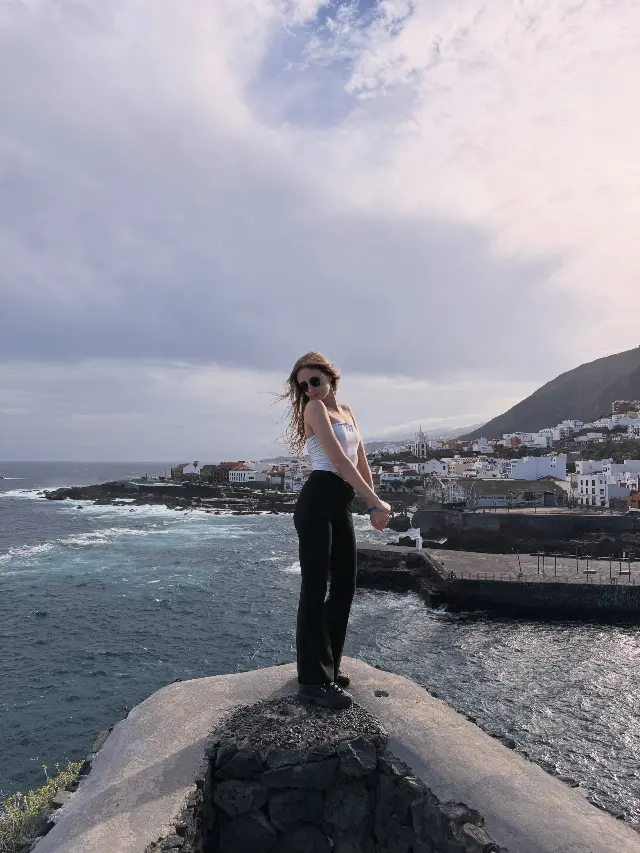
 Sunny Views and Ocean Scenery in Tenerife
#Island Travel
2 ideas
Sunny Views and Ocean Scenery in Tenerife
 Discovering the breathtaking beauty of Santorini
Get new #Island Travel ideas by email
Every Thursday: the week's best ideas, with the newest from #Island Travel.
Related tags
Island Travel Guide
Island travel means exploring places surrounded by water, from tiny tropical islets to large inhabited islands with towns, roads, and long local histories. It can be as simple as a short ferry ride or as immersive as a slow trip across several islands in one region. People are often drawn to islands for their distinct landscapes, relaxed pace, coastal scenery, and the sense that everyday life feels a little different there.
What makes island travel special
Islands often develop their own character because they are shaped by geography, weather, trade, and local traditions. You may find volcanic cliffs, sandy beaches, fishing villages, forest paths, or compact historic centers all in one place. Some islands are known for quiet escapes, while others are lively and full of markets, restaurants, and cultural sites. The best island trips usually balance scenery with time to notice the small details of local life.
Common kinds of island trips
Read more
- Short breaks to one island, usually focused on rest, scenery, and easy day trips
- Island hopping, where you visit several islands in one journey
- Nature-focused travel, with hiking, birdwatching, snorkeling, or coastal walks
- Cultural trips, centered on local food, architecture, crafts, and traditions
- Family travel, where easy transport and calm beaches matter most
Each type asks for a slightly different rhythm. A single-island stay can be slow and restful, while island hopping needs a bit more planning and flexibility.
How to plan well
When you plan island travel, start with transport. Islands may be reached by plane, ferry, boat, or a mix of all three. Timetables can be less flexible than on the mainland, so it helps to build in extra time. If you want to move around once you arrive, check whether public transport is available or whether you’ll need to walk, cycle, or rent a vehicle.
Accommodation also matters. In smaller places, staying in one area can make the trip easier, especially if restaurants, beaches, and shops are spread out. If you prefer variety, choose a base near a harbor, main town, or central road network.
What beginners should know
Island travel is often about pace. Distances may look short, but roads, weather, and transport schedules can slow things down. It’s wise to pack light, bring comfortable shoes, and have a flexible plan. Sun protection, water, and a light layer for wind or evenings are useful in many island settings.
A few practical habits can make a big difference:
- Check transport times before you book activities
- Leave room in your schedule for delays or changes
- Respect local customs, quiet areas, and protected natural spaces
- Carry essentials with you, especially on smaller or less developed islands
Enjoying the experience
The best island journeys are rarely about rushing from one sight to the next. They’re about noticing the light, the coastline, the local food, and the way life adapts to the sea. Whether you’re after a peaceful retreat or a fuller adventure, island travel works best when you keep things simple, stay curious, and let the place set the pace.
Videos come from YouTube and posts from Instagram; titles and summaries are our own. All rights belong to their creators.