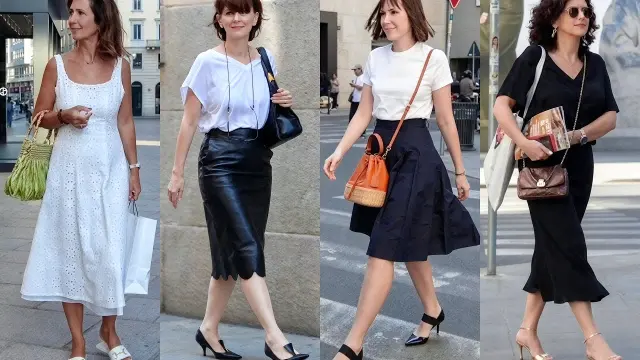
 Milan Street Style and Elegant Autumn Fashion Trends
#Italian Style
5 ideas
Milan Street Style and Elegant Autumn Fashion Trends
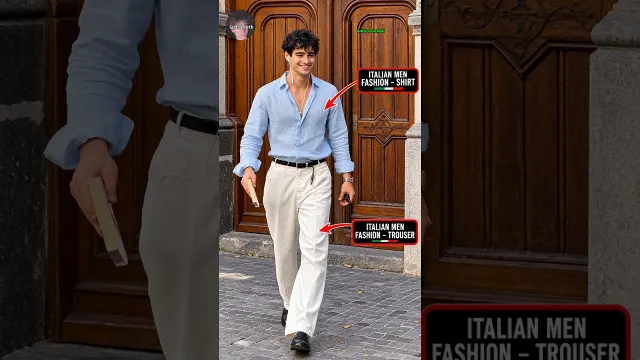 Essential Italian Rules for Men's Classy Fashion
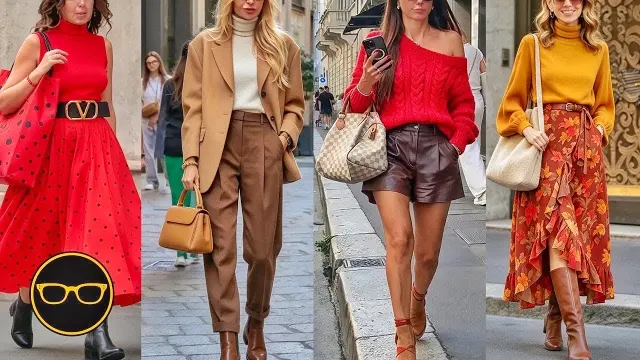 Italian Beauty and Autumn Street Fashion in Milan
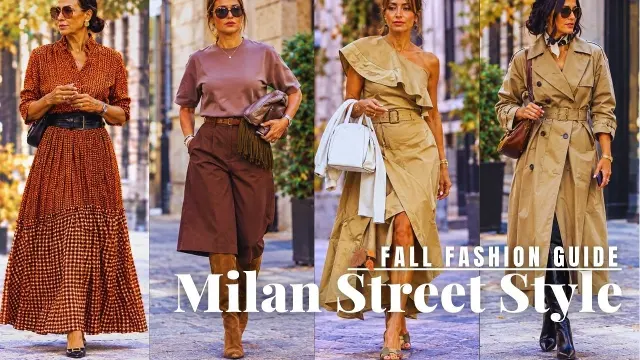 Milan Street Fashion Looks and Italian Autumn Style
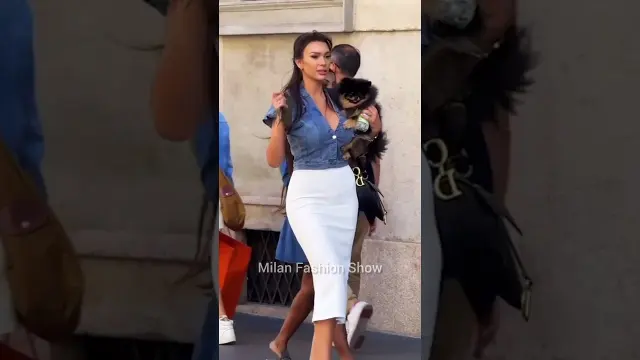 Milan Girls Street Style Edit and Luxury Looks
Get new #Italian Style ideas by email
Every Thursday: the week's best ideas, with the newest from #Italian Style.
Related tags
Italian Style: Timeless Elegance and Ease
Italian style is often associated with elegance that looks natural rather than forced. It combines careful dressing with a sense of ease, using well-chosen clothes, flattering shapes, and attention to detail. At its best, it feels polished, confident, and comfortable at the same time.
What Italian style means
Italian style is less about following strict rules and more about creating balance. Clothes are usually chosen for how they fit, how they move, and how they work together. A simple outfit can feel refined when the proportions are right and the materials are good. This approach comes from a long tradition of tailoring, craftsmanship, and appreciation for dress as part of everyday life.
It is not limited to one look. Some people think of sharp tailoring and classic pieces, while others prefer softer, more relaxed dressing. What unites these approaches is a sense of intention. Even casual outfits often look considered.
Read more
Common elements
A few details appear again and again in Italian dressing:
- Clean lines and flattering cuts
- Good fit, especially at the shoulders, waist, and hem
- Neutral or deep, rich colours, often mixed with a few stronger accents
- Quality fabrics that drape well and hold their shape
- Accessories that complete an outfit without overwhelming it
Shoes and bags are often treated as important finishing touches. A simple outfit can feel much more polished when paired with well-made accessories.
Main styles and variations
Italian style can take many forms. Some looks are highly tailored, with structured jackets, pressed trousers, and elegant dresses. Others are softer and more romantic, with flowing skirts, knitwear, and lightly layered pieces. There is also a strong casual tradition, where jeans, loafers, knit tops, and lightweight outerwear are styled with quiet refinement.
You may also notice a love of contrast: masculine and feminine pieces together, formal items worn in an everyday way, or simple clothing made interesting through texture and proportion. This mix gives Italian style its character.
What beginners should know
If you want to dress in an Italian-inspired way, start with fit and fabric. Clothes do not need to be expensive, but they should suit your shape and feel comfortable to wear. Choose a few versatile pieces that can be repeated in different combinations.
A useful starting point is to build outfits around:
- One well-fitting jacket or coat
- Tailored trousers or a skirt with a clean line
- Simple tops in good fabrics
- One or two pairs of shoes you can wear often
- Accessories that feel deliberate, not crowded
Avoid adding too many competing details at once. Italian style often works best when one or two elements stand out and everything else supports them.
Practical tips
If you want to bring more Italian style into your wardrobe, focus on presentation as much as clothing. Keep garments well cared for, choose colours that work together, and pay attention to hem lengths, sleeve fit, and footwear. Even the most basic outfit can look refined when it is neat and balanced.
Most importantly, aim for confidence without excess. Italian style is not about looking formal all the time. It is about dressing with awareness, enjoying beautiful things, and making elegance feel natural in daily life.
Videos come from YouTube and posts from Instagram; titles and summaries are our own. All rights belong to their creators.