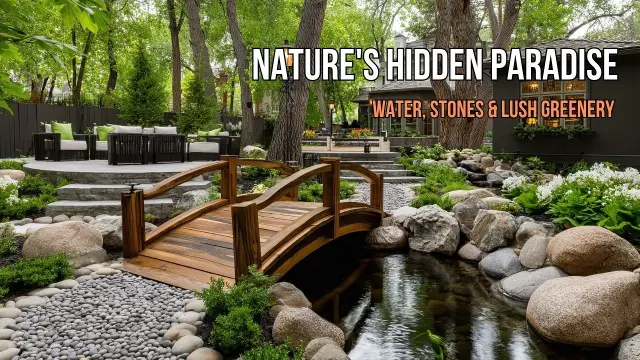
 Serene Japanese Landscaping Ideas With Natural Greenery
#Japanese Garden
1 ideas
Serene Japanese Landscaping Ideas With Natural Greenery
Get new #Japanese Garden ideas by email
Every Thursday: the week's best ideas, with the newest from #Japanese Garden.
Related tags
Japanese Garden Design and Ideas
What a Japanese garden is
A Japanese garden is a carefully composed garden style shaped by ideas of harmony, balance, and natural beauty. Instead of trying to look formal or symmetrical, it usually suggests a landscape in miniature. Stones may stand in for mountains, gravel may represent water, and carefully placed plants help create a quiet, contemplative feeling.
These gardens have a long cultural history and were developed through influences from nature, religion, and traditional design. Over time, different kinds of gardens appeared for different purposes, from places for reflection to larger strolling gardens meant to be enjoyed by moving through them slowly.
Main styles and elements
Read more
There is no single kind of Japanese garden. Some are more minimal, while others are lush and layered. Common types include:
- Dry gardens, also called rock gardens, which use stones, gravel, and very limited planting
- Tea gardens, designed to prepare the mind for the tea ceremony
- Strolling gardens, which are laid out so you discover changing views as you walk
- Courtyard gardens, which bring a quiet natural scene into a smaller space
A Japanese garden often includes a few familiar elements. Stones create structure and suggest permanence. Water, whether real or implied, adds movement and calm. Bridges, lanterns, stepping stones, bamboo, moss, maples, pines, and clipped shrubs are all used carefully, but never simply for decoration. Each element is chosen for its shape, texture, and relationship to the space around it.
Design principles to keep in mind
If you want to understand this style, start with restraint. A Japanese garden usually feels balanced because it avoids crowding. Empty space matters as much as planted space. Asymmetry is also important: the garden often feels natural because it is not arranged in identical pairs or rigid lines.
Another key idea is borrowed scenery, where views beyond the garden become part of the composition. Even a small garden can use this principle by framing a tree, wall, or distant backdrop.
Practical tips for beginners
If you are planning a Japanese-inspired garden, begin with a simple structure. Choose a few strong features rather than many competing ones. Use stones or stepping paths to guide the eye. Select plants with varied texture and year-round interest, but avoid overfilling the space.
It also helps to think about maintenance. Many Japanese gardens depend on careful pruning, raking, and seasonal tidying so the design stays clear. If you prefer a lower-maintenance version, focus on a small number of plants and materials that age gracefully.
What to look for
When you visit a Japanese garden or design one yourself, notice how it makes you feel. The best examples invite quiet attention. They are not meant to overwhelm you, but to slow you down and help you notice form, shadow, texture, and space. That sense of calm is at the heart of the style.
#Japanese Garden: frequently asked questions
What is a Japanese garden, in simple terms?
It is a garden style built around harmony and balance, often arranged as a miniature version of a natural landscape. Stones can suggest mountains, gravel can stand in for water, and plants are placed to create a calm, contemplative mood rather than a formal, symmetrical look.
How do I start a Japanese-inspired garden at home?
Begin with a simple structure and pick a few strong features instead of many competing ones, so the space has room to breathe. Use stones or a stepping path to guide the eye, and choose plants with varied texture and year-round interest without overfilling the area.
Which type of Japanese garden should I choose?
It depends on the space and the feeling you want: dry rock gardens are minimal and rely on stone and gravel, while tea gardens are made to set a quiet mood before a ceremony. Strolling gardens work well when you have room to walk and reveal changing views, and courtyard gardens suit small enclosed spaces.
What elements are essential in this style?
Stones give structure and a sense of permanence, water adds movement and calm, and bridges, lanterns, stepping stones, bamboo, moss, maples and clipped shrubs fill out the scene. Each is chosen for its shape, texture and relationship to the space around it, not simply as decoration.
How much care does a Japanese garden need?
Many depend on regular pruning, raking and seasonal tidying to keep the design clear and readable. If you want something easier to keep up, use a smaller number of plants and materials that age gracefully, so the garden still looks intentional with less work.
What mistakes should I avoid?
The most common one is crowding the space, since empty space matters as much as planted space in this style. Avoid arranging things in rigid pairs or straight lines, which fights the natural asymmetry the garden depends on, and avoid adding elements that don't earn their place through shape or texture.
Videos come from YouTube and posts from Instagram; titles and summaries are our own. All rights belong to their creators.