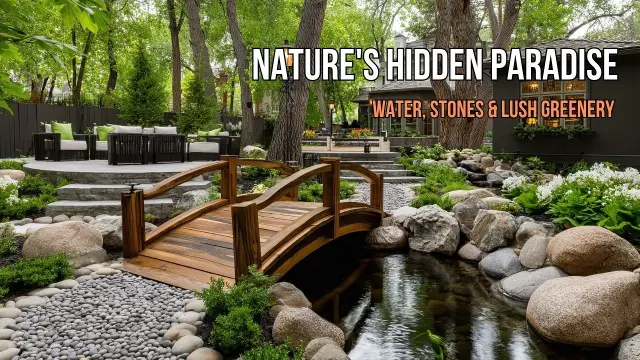
 Serene Japanese Landscaping Ideas With Natural Greenery
#Outdoor Oasis
2 ideas
Serene Japanese Landscaping Ideas With Natural Greenery
 Budget Outdoor Patio Refresh Using Twenty Thrift Finds
Get new #Outdoor Oasis ideas by email
Every Thursday: the week's best ideas, with the newest from #Outdoor Oasis.
Related tags
Creating an Outdoor Oasis
An outdoor oasis is a space that feels restful, inviting, and easy to enjoy. It can be a garden corner, a small patio, a balcony, or a full backyard, as long as it offers a sense of calm and comfort. The idea comes from the long tradition of designing outdoor spaces for relaxation, shade, gathering, and connection with nature. Whether your style is natural, structured, rustic, or modern, the goal is the same: to make the outdoors feel like an extension of home.
What makes an outdoor oasis
A good outdoor retreat usually combines a few simple elements: greenery, seating, shade, texture, and a feeling of privacy. You do not need a large space to create one. Even a narrow balcony can become soothing if it is arranged with care. Start by thinking about how you want to use the area. You may want a quiet reading spot, a place to eat, or a space for spending time with family and friends.
Choosing the right style
Read more
There are many ways to shape the look of an outdoor oasis. A lush, plant-filled space feels soft and natural. A more minimal design uses clean lines, simple furniture, and a limited color palette. Cottage-inspired spaces often mix flowers, layered planting, and collected pieces. Courtyard and patio styles may lean on stone, wood, containers, and comfortable seating. Japanese-inspired gardens often focus on balance, natural materials, and a sense of calm through restraint.
Plants and natural features
Plants are often the heart of an outdoor oasis. Choose varieties that suit your light, climate, and level of care you can give them. Mixing plant heights creates depth, while repeating a few shapes or colors can make the space feel unified. If you have room, add features such as gravel, planters, a small tree, or a water element. These details help the area feel grounded and peaceful.
Furniture and layout
Comfort matters as much as beauty. Pick seating that suits the way you live, and arrange it so people can move easily through the space. A small table, a bench, or a pair of chairs may be enough. If the space is large, consider dividing it into zones for dining, resting, and planting. In smaller areas, keep the layout simple so it does not feel crowded.
Finishing touches
Texture adds warmth outdoors. Cushions, outdoor rugs, lanterns, baskets, and natural materials can all make the space feel more welcoming. Soft lighting is helpful in the evening, especially if you want the area to feel calm rather than bright. Privacy can also be important. Use screens, climbing plants, hedges, or tall containers to create a more sheltered feeling.
Practical tips for beginners
- Start with one clear focal point, such as a seat, plant group, or table.
- Use containers if you are unsure what will grow well in the ground.
- Choose a few repeating materials or colors to keep the space coherent.
- Leave enough open space so the area still feels airy.
- Make maintenance realistic so the oasis stays enjoyable over time.
An outdoor oasis does not need to be elaborate. When you balance comfort, nature, and thoughtful arrangement, even the simplest space can feel like a quiet retreat.
#Outdoor Oasis: frequently asked questions
How do I start creating an outdoor oasis?
Begin by deciding how you actually want to use the space — a quiet reading corner, a spot for meals, or somewhere to gather with family and friends. From there, pick one clear focal point, such as a seat, a group of plants, or a table, and build the rest of the arrangement around it. Starting small and adding gradually keeps the project manageable and lets the space evolve as you use it.
Do I need a large yard to make an outdoor oasis?
No — a balcony, a narrow patio, or even a single garden corner can work just as well, as long as it feels calm and comfortable. In tighter spaces, the trick is keeping the layout simple and leaving enough open room so the area still feels airy rather than crowded. Containers are a practical way to add greenery when ground planting isn't an option.
Which style of outdoor oasis should I choose?
Think about the atmosphere you want rather than following a trend: plant-heavy looks feel soft and natural, minimal designs feel clean and calm, and rustic or cottage-inspired spaces feel collected and warm. Styles built around stone, wood, and comfortable seating suit patios and courtyards, while Japanese-inspired gardens rely on balance and restraint. Whichever direction you take, repeating a few materials or colors is what makes the space feel unified.
How do I keep an outdoor oasis looking good over time?
Choose plants that match your light, climate, and the amount of care you can realistically give them, since an ambitious planting scheme is the quickest thing to become a chore. Set maintenance at a level you can keep up with, and lean on containers if you're unsure what will thrive in the ground. A realistic routine is what lets the space stay enjoyable season after season.
What are common mistakes beginners make?
One frequent slip is filling every inch, which leaves no breathing room and makes a small area feel cramped instead of restful. Another is mixing too many materials, colors, and plant shapes so the space loses coherence, or choosing plants that don't suit the available light. It also helps to think about evening use early — soft lighting and some form of screening for privacy make a space far more usable once the sun goes down.
What are good ideas for a relaxing evening retreat?
Layer in texture with cushions, an outdoor rug, lanterns, and baskets to warm up the space, then add gentle lighting so it reads as calm rather than bright. If you want a more sheltered feeling, screens, climbing plants, hedges, or tall containers can create privacy without walls. A water element or a small tree, where there's room, adds to the sense of quiet.
Videos come from YouTube and posts from Instagram; titles and summaries are our own. All rights belong to their creators.