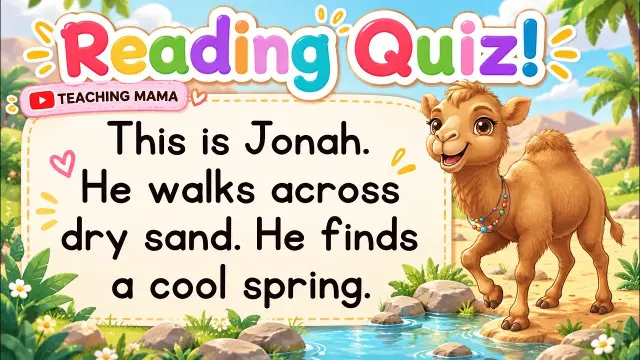
 Reading Comprehension for Preschool and Grade 1 Learners
#Kids Reading
6 ideas
Reading Comprehension for Preschool and Grade 1 Learners
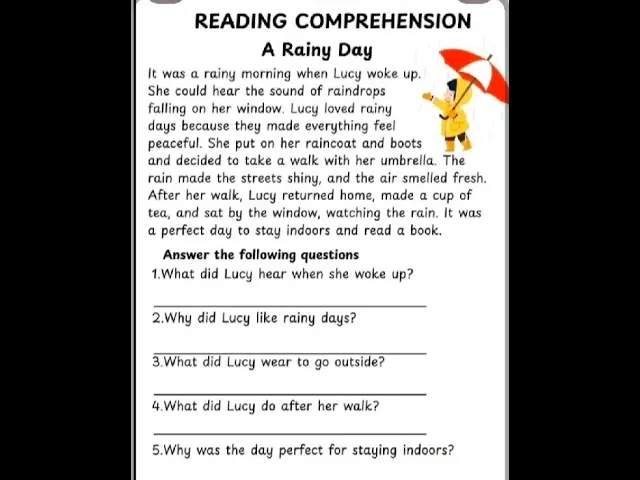 Comprehension for Kids: Short Passage with Questions and Answers
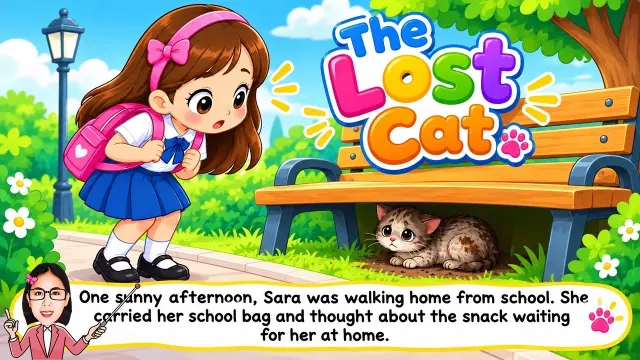 Easy Story Reading Practice for Kids: The Lost Cat
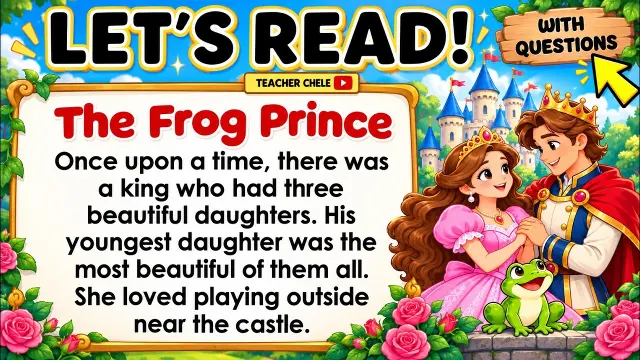 The Frog Prince: Reading Practice with Questions for Grades 4 to 6
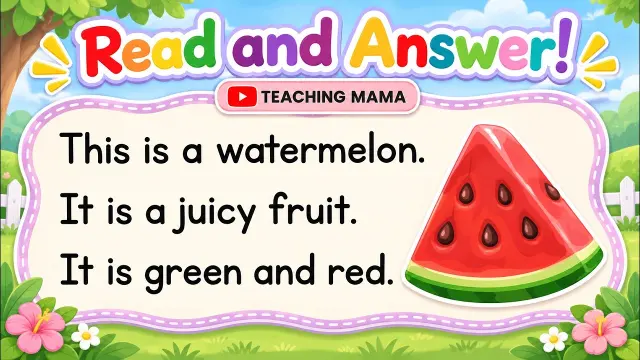 Reading Comprehension Practice Compilation for Early Readers
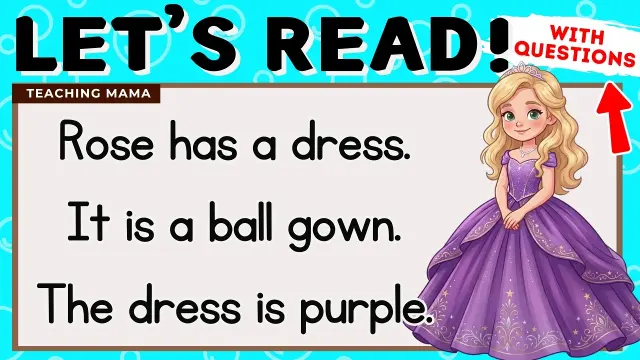 Let's Read: Simple English Passage Practice for Young Learners
Get new #Kids Reading ideas by email
Every Thursday: the week's best ideas, with the newest from #Kids Reading.
Related tags
Kids Reading: A Gentle Guide to Growing Young Readers
Reading is one of the quietest, most lasting gifts you can give a child. It begins long before letters are recognised — with a voice, a picture, a page turned slowly at bedtime — and it grows through years of small, patient steps. Understanding how that journey works makes it easier to support a child without pressure.
From listening to reading
Children learn the shape of stories before they learn the shape of words. Being read to builds vocabulary, rhythm and the sense that books are pleasant places to be. Later comes awareness of sounds inside words, then the connection between letters and those sounds, and finally the slow work of blending them into whole words. Fluency — reading smoothly, with attention freed from decoding — comes later still, and it comes at different speeds for different children. There is no single correct schedule.
The main kinds of early reading
Read more
- Picture books and shared reading: short texts, rich illustrations, adult and child reading together.
- Phonics-based texts: simple, carefully controlled words that let a child practise sound-letter patterns.
- Levelled readers: short stories graded by difficulty, useful for steady, manageable progress.
- Beginning chapter books: still illustrated, but with longer plots and fewer pictures.
- Non-fiction for young readers: facts, nature, machines and how-things-work books, which many children prefer.
- Poetry and rhymes: playful sound patterns that make reading aloud feel like a game.
What comprehension really means
Reading well is not only saying the words. It is holding meaning while you go — picturing the scene, wondering what happens next, noticing why a character acted as they did. Simple questions help: what happened first, how do you think she felt, what might happen now, what does this word seem to mean here. Asking a child to retell a story in their own words is one of the most useful things you can do, and it costs nothing.
Practical tips for beginners
Follow the child's interest rather than a reading list. A book about dinosaurs or buses will be read more willingly than a worthier one they find dull. Let them reread favourites; repetition builds confidence. Take turns reading paragraphs when a text feels long. If a child stumbles, give a moment before helping, then supply the word kindly and move on. Keep sessions short and finish while it still feels good.
Keep reading aloud to children even after they can read alone — it lets them meet stories more complex than their own skill allows. Let them see you reading something you enjoy. And treat comics, magazines, recipes and instructions as real reading, because they are.
Above all, protect the pleasure. A child who associates books with warmth and curiosity will keep coming back to them, and that habit will serve them long after any single lesson is forgotten.
#Kids Reading: frequently asked questions
How do I start reading with a child who is still too young to read words?
Start with your voice rather than the letters: share picture books, point at illustrations, and let the child turn the pages at their own pace. Being read to builds vocabulary, rhythm and the feeling that books are enjoyable places to be, which is the foundation everything else rests on. Short, frequent sessions that end while the child is still happy work better than long ones.
Which kind of early reading book should I choose?
It depends on what the child needs at that moment: picture books for shared reading, phonics-based texts for practising sound-letter patterns, levelled readers for steady manageable progress, and non-fiction for young readers who prefer facts to stories. Beginning chapter books suit children ready for longer plots, and poetry is good for playful reading aloud. Follow the child's interest rather than a fixed reading list, since a book about something they love gets read willingly.
How can I tell whether my child actually understands what they read, not just saying the words?
Ask simple questions while you go: what happened first, how a character might have felt, what could happen next. Asking the child to retell the story in their own words is one of the most useful and least expensive checks you can make. These conversations show whether meaning is being held, which matters more than flawless decoding.
What should I do when my child gets stuck on a word or loses interest?
Give them a moment to try before stepping in, then supply the word kindly and carry on — the flow of the story matters more than the correction. If interest fades, shorten the session, take turns reading paragraphs, or let them reread a favourite, since repetition builds confidence. Finishing while it still feels good protects the pleasure of reading.
Should I keep reading aloud once my child can read independently?
Yes. Reading aloud lets a child meet stories more complex than their own skill allows, and it keeps the shared warmth around books. Let them also see you reading something you enjoy, and count comics, magazines, recipes and instructions as real reading, because they are.
What is a common mistake parents make when teaching a child to read?
Pushing a worthy book a child finds dull, or turning practice into a test, which teaches them that reading is a chore. Another is treating only storybooks as real reading and dismissing comics or instructions. Protect the pleasure and curiosity first — a child who associates books with warmth keeps coming back to them on their own.
Videos come from YouTube and posts from Instagram; titles and summaries are our own. All rights belong to their creators.