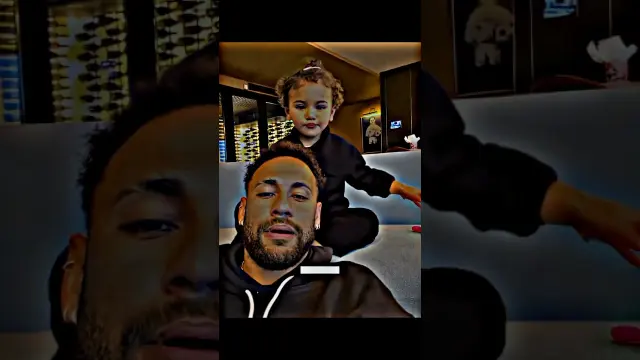
 Neymar Sharing Heartwarming Moments with Kids
#Kids
3 ideas
Neymar Sharing Heartwarming Moments with Kids
 Mickey Mouse Halloween Full Episodes Compilation on Disney Jr
 Curious George A Halloween Boo Fest Full Movie
Get new #Kids ideas by email
Every Thursday: the week's best ideas, with the newest from #Kids.
Related tags
Kids: A Gentle Guide to Play, Growth and Everyday Joy
Childhood is the longest stretch of a life spent becoming a person, and the most ordinary things — a cardboard box, a bedtime story read for the twentieth time, a walk to the corner and back — are often the ones that do the most work. This guide gathers that everyday world: the games, the mealtimes, the crafts, the small victories and the messes left behind.
What childhood is made of
Children grow along several lines at once. Bodies get stronger and more coordinated; language moves from single words to long, tangled stories; play shifts from doing things side by side to inventing worlds together; and feelings, which arrive long before the words to name them, need steady adult help to be understood. None of these follow a strict timetable. Two children of the same age can be far apart in one area and perfectly on track in others, so it pays to watch the child in front of you rather than the calendar.
Play is the working method
Read more
For a young child, play is not a break from learning — it is how learning happens. Building, digging, dressing up, sorting buttons, splashing, pretending to be a shopkeeper: each activity rehearses something real. Open-ended toys tend to last longer than single-purpose ones, because a plain set of blocks can become a bridge, a cake or a castle on different days.
A few practical things help:
- Let your child lead sometimes, and follow along without correcting the plot.
- Keep art materials where they can be reached, and accept that glue, paint and sand will wander.
- Protect long stretches of unstructured time; boredom is where imagination usually starts.
- Rotate toys rather than buying more — familiar things return as novelties.
Routines and boundaries
Children take comfort from knowing what comes next. Predictable sequences around waking, meals, bath and sleep do more for behaviour than most incentives, because they remove the daily negotiation. Keep rules few, clear and stated in advance, and hold them calmly and repeatedly; consistency matters more than strictness. When things go wrong, naming the feeling — "you really wanted that, and it was hard to stop" — teaches the vocabulary that self-control is built on.
Learning at home
Reading aloud together remains one of the richest things you can do, at any age: it builds language, attention and the sense that stories belong to a shared life. Beyond that, everyday work is curriculum. Counting eggs, measuring flour, sorting the laundry by colour, noticing the weather, planting a seed and waiting — all of it is maths, science and patience in disguise.
A note on screens and safety
Screens are part of modern family life, and the useful question is not whether but how and alongside whom. Co-viewing and talking about what you watch turns passive time into conversation. Keep very young children close at hand outdoors and near water, follow their lead when they need quiet, and make space for sleep and movement — the two things that quietly hold everything else together.
Above all, childhood is short. The days are long, the mud is worth it, and the small rituals you keep are the ones they will remember.
#Kids: frequently asked questions
How do I start building a good routine for kids at home?
Start with a few predictable moments in the day, like waking, meals, bath, and bedtime, and keep them consistent. Children usually feel more settled when they know what comes next, and calm repetition often works better than constant reminders.
What kinds of toys and activities are best for kids?
The best choices are often open-ended ones that can be used in many ways, such as blocks, dress-up items, art supplies, or simple sorting games. These kinds of activities leave room for imagination, problem-solving, and pretend play instead of only one fixed outcome.
How can I keep kids busy without overplanning every moment?
Give them time and materials, then let them lead part of the play. Unstructured time matters because boredom often turns into creative play, so it helps to resist filling every gap with an activity.
What are some easy ideas for kids on Halloween or other special occasions?
Choose simple, playful ideas that fit their age and energy, like costume play, themed story time, pretend games, crafts, or a short family movie night. The goal is usually less about perfection and more about making the day feel special, familiar, and fun.
What common mistakes should I avoid when planning activities for kids?
One common mistake is buying more things instead of making better use of the toys and materials you already have. Another is trying to control every part of the play, when children often learn more from a little freedom, a little mess, and a steady adult nearby.
Videos come from YouTube and posts from Instagram; titles and summaries are our own. All rights belong to their creators.