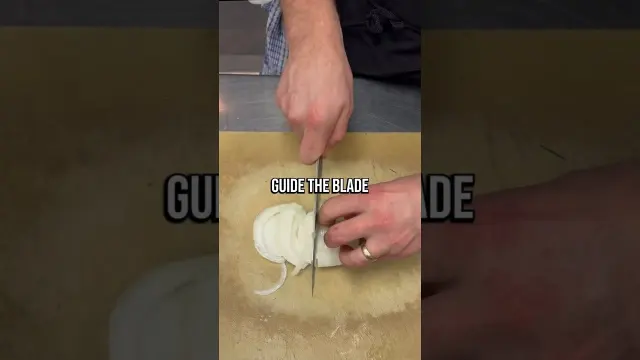
 Every Knife Skill You Need to Learn in the Kitchen
#Kitchen Basics
1 ideas
Every Knife Skill You Need to Learn in the Kitchen
Get new #Kitchen Basics ideas by email
Every Thursday: the week's best ideas, with the newest from #Kitchen Basics.
Related tags
Kitchen Basics: Skills and Habits Every Cook Needs
Cooking well rarely comes from complicated recipes. It comes from a handful of foundations learned once and practised often: how to hold a knife, how to heat a pan, how to store food so it stays good, and how to keep a small set of ingredients on hand so a meal is always possible. Kitchen basics are exactly that — the groundwork that makes everything else easier.
What counts as a kitchen basic
The term covers three overlapping things. First, the tools: a few genuinely useful pieces of equipment rather than a drawer full of gadgets. Second, the techniques: chopping, sautéing, simmering, roasting, seasoning, tasting. Third, the habits: cleaning as you go, reading a recipe through before starting, keeping raw and cooked food apart. None of these are difficult on their own. What makes them valuable is that they repeat in almost every dish you will ever make.
Equipment worth starting with
Read more
You do not need much. A sharp chef's knife and a small paring knife will handle nearly all cutting. Add a large cutting board, a couple of pans of different sizes, a pot deep enough for soup and pasta, a mixing bowl, a set of measuring cups and spoons, and a scale if you like to bake. A wooden spoon and a spatula cover most stirring. Beyond that, buy as need appears rather than in advance — you will learn far more about what suits your cooking by using a small kit than by collecting a large one.
Knife work and heat
Two skills repay practice more than any other. The first is cutting: a sharp knife, a stable board, a claw-shaped guiding hand, and steady, unhurried strokes. Sharp knives are safer than dull ones because they go where you aim them. The second is managing heat. Learn what a properly preheated pan sounds and looks like, how food behaves when the pan is too cold, and the difference between a gentle simmer and a rolling boil. Most home cooking problems trace back to one of these two.
Food safety and storage
Wash your hands before you start and after touching raw meat, poultry, fish or eggs. Keep separate boards or clean thoroughly between raw and ready-to-eat food. Cool leftovers reasonably quickly and refrigerate them, and reheat them thoroughly rather than lukewarm. Check dated items in the fridge regularly. These habits are unglamorous but they are the part of kitchen basics that protects the people you cook for.
A pantry that works
Stock ingredients that keep and combine well: oil, salt, pepper, tinned tomatoes, dried pasta or rice, onions, garlic, stock cubes, flour, vinegar, and a spice or two you actually enjoy. A pantry like this means dinner is never far away, and it teaches you to cook by substitution rather than by shopping list.
Beginning well
Start with one new skill at a time and repeat it until it feels ordinary. Taste as you cook. Read a recipe fully before you begin, and prepare your ingredients first. Clean as you go so the work stays pleasant. Nothing here requires talent — only a little patience, applied repeatedly. That is the whole secret of kitchen basics.
#Kitchen Basics: frequently asked questions
How do I start learning kitchen basics without feeling overwhelmed?
Pick a single skill — holding a knife, preheating a pan, or simmering — and repeat it until it feels ordinary before adding another. Read a recipe all the way through and set out your ingredients before you turn on the heat, so the cooking itself stays calm. Small habits practiced often teach you more than a long list of techniques attempted at once.
What equipment do I actually need to start cooking?
A sharp chef's knife and a small paring knife handle nearly all cutting, and they need a large board to work on. Add a couple of pans in different sizes, a pot deep enough for soup or pasta, a mixing bowl, measuring cups and spoons, plus a wooden spoon and a spatula. Buy anything else only when a dish calls for it — a small kit teaches you what suits your own cooking better than a drawer full of gadgets.
Which knife should I choose, and does sharpness really matter?
Choose a knife that feels balanced and comfortable in your hand, since you will use it constantly. Sharpness matters more than style or price: a sharp blade goes where you aim it, while a dull one slips and demands force. Pair it with a stable board and a claw-shaped guiding hand so your fingers stay tucked away from the edge.
How should I care for my knives and boards?
Keep knives sharp and dry them promptly rather than leaving them sitting wet. Wash boards thoroughly, and keep a separate board for raw meat, poultry, fish and eggs, or clean the one you have carefully between raw and ready-to-eat food. These small routines keep your tools working well and protect the people you cook for.
What are the most common mistakes beginners make in the kitchen?
Most problems come down to two things: a dull knife and poor heat management. Cooking in a pan that was never properly preheated, or confusing a gentle simmer with a rolling boil, leads to food that steams instead of browns. Tasting as you go and cleaning up as you work fix a surprising amount of the rest.
How do I store leftovers and keep food safe?
Cool leftovers reasonably quickly, then refrigerate them rather than leaving them out, and reheat thoroughly instead of until merely lukewarm. Check dated items in the fridge regularly so nothing lingers unnoticed. Washing your hands before cooking and after handling raw meat, poultry, fish or eggs is the simplest habit that prevents trouble.
Videos come from YouTube and posts from Instagram; titles and summaries are our own. All rights belong to their creators.