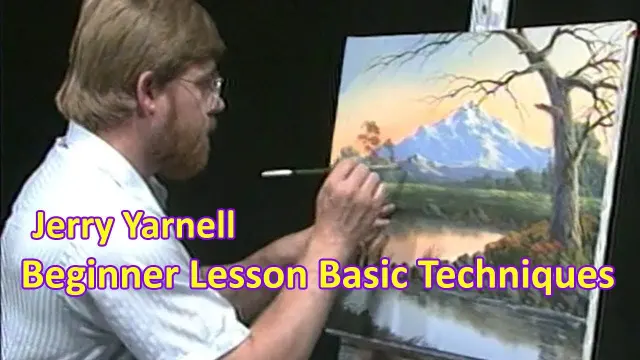
 Acrylic Landscape Painting Techniques for Beginners
#Landscape Painting
1 ideas
Acrylic Landscape Painting Techniques for Beginners
Get new #Landscape Painting ideas by email
Every Thursday: the week's best ideas, with the newest from #Landscape Painting.
Related tags
Landscape Painting Guide
Landscape painting is the art of portraying natural scenery, such as fields, forests, mountains, coastlines, rivers, skies, and quiet rural views. It has a long history in many cultures, where artists have used it to record the beauty of the natural world, express mood, and explore light, distance, and atmosphere. Some landscape paintings aim to look closely observed and realistic, while others are loose, expressive, or highly simplified.
What landscape painting can show
A landscape can be broad and panoramic or focused on a small detail, like a tree line, a path, or a single stretch of water. It may include man-made elements such as houses, bridges, roads, or fences, but the natural setting usually remains the main subject. Many artists use landscape painting to capture a place as it appears at a certain time of day or season, but it can also be used to create an imagined scene.
Common styles and approaches
Read more
Landscape painting appears in many styles. Realistic work aims to describe form, colour, and perspective clearly. Impressionistic approaches often focus on light, movement, and the feeling of a moment rather than fine detail. Loose or expressive landscapes may use broader brushstrokes and stronger colour choices to create atmosphere. Some paintings are highly detailed and layered, while others rely on simple shapes and a limited palette.
You can also think about landscape painting by subject:
- Mountain landscapes often emphasize scale, distance, and changing light.
- Woodland scenes may focus on texture, shadows, and repeated forms.
- Seascapes and coastal scenes often explore reflection, weather, and horizon lines.
- Rural landscapes may use fields, paths, and buildings to lead the eye through the image.
Basic techniques to know
A good landscape often starts with strong composition. Before painting details, think about the main shapes in the scene and where you want the viewer’s eye to go. The horizon line, large masses of land or water, and areas of light and dark usually matter more than tiny details at first.
Value, or the relative lightness and darkness of colours, is especially important in landscape painting. Clear differences in value help create depth and form. Colour temperature also matters: warm and cool colours can suggest sunlight, shadow, distance, or open air.
Brushwork can change the whole feeling of a painting. Smooth blending may suit a calm, hazy scene, while visible strokes can add energy and texture. Many artists build a landscape in layers, beginning with broad shapes and gradually refining forms, edges, and details.
Tips for beginners
If you are just starting, begin with simple scenes and limited elements. A single tree against the sky, a field with a path, or a shoreline with a few strong shapes can be easier to manage than a crowded view.
- Keep your first composition simple.
- Compare big shapes before small details.
- Watch the edges: some can stay soft, while others stay sharp.
- Vary your greens, browns, and blues so the scene does not look flat.
- Step back often to check balance and distance.
Most of all, practice seeing the landscape in shapes, values, and relationships, not only as a collection of objects. That habit will help you paint scenes that feel open, believable, and full of atmosphere.
#Landscape Painting: frequently asked questions
How do I start a landscape painting if I've never painted one before?
Pick a simple scene with only a few elements, like a single tree against the sky or a shoreline with strong shapes, rather than a busy panoramic view. Block in the big shapes and the horizon line first, then refine edges and details once the overall balance feels right. Step back regularly so you judge the scene as a whole instead of getting lost in small marks.
What supplies do I need to begin painting landscapes?
You need paint in the medium you prefer, a surface such as canvas, board, or heavy paper, and a small range of brushes from wide to fine. Add a palette, something to mix on, water or the appropriate thinner for your paint, and a cloth for wiping; an easel helps but isn't essential at the start. Buying a modest set and learning what each brush and colour does matters more than collecting lots of equipment.
Which kind of landscape painting should I choose?
Choose by what draws your eye: mountains emphasise scale and changing light, woodland scenes suit texture and shadow, coasts explore reflection and horizon, and rural views let paths and buildings guide the viewer through the image. Then decide how realistic you want it to look, since a tight, closely observed approach and a loose, expressive one call for quite different brushwork. Matching the style to the mood of the place usually works better than picking a style first.
How do I make a landscape look like it has real depth?
Value does most of the work, so make the light and dark areas clearly different from one another and keep distant shapes lighter and softer than close ones. Warm and cool colours also help, with cooler tones tending to sit back and warmer tones coming forward. Varying your greens, browns, and blues prevents the scene from flattening into one even mass.
What mistakes do beginners make most often in landscape painting?
The common trap is rushing into fine details before the large shapes and the horizon are settled, which leaves the picture unbalanced and hard to correct. Another is treating every edge the same way, so nothing feels soft or distant, and repeating a single green or blue until the scene looks flat. Pausing often to compare the biggest shapes and to check your work from a step back fixes most of these.
How should I care for a finished landscape painting?
Keep it out of direct sunlight and away from damp or sharply changing conditions, since light and moisture are what usually dull or damage a surface over time. Dust gently with a soft dry cloth rather than anything wet, and avoid touching the painted surface. Works on paper are best framed behind glass and matted so the paper itself isn't pressed against the glazing.
Videos come from YouTube and posts from Instagram; titles and summaries are our own. All rights belong to their creators.