 Preschool Math Learning with Numbers and Addition
#Learn Addition
13 ideas
Preschool Math Learning with Numbers and Addition
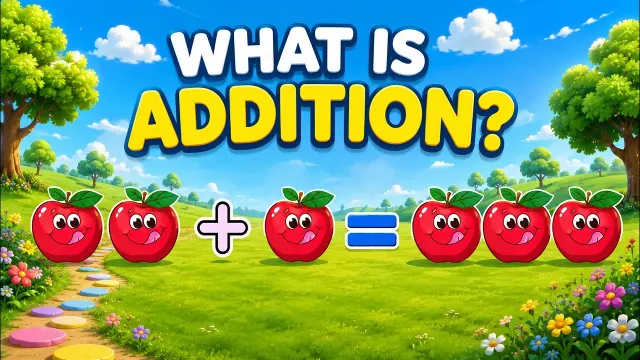 Musical Maths Lesson on What Is Addition for Kids
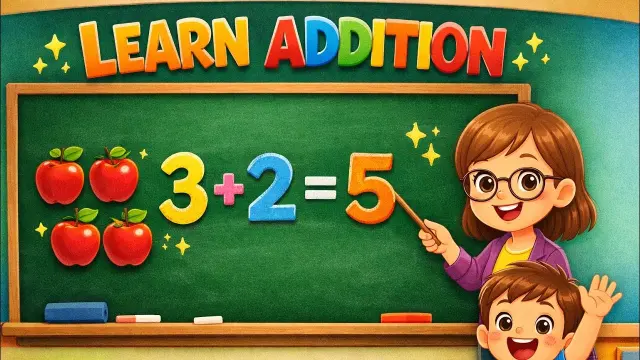 Basic Addition for Kids with Fun Counting Examples
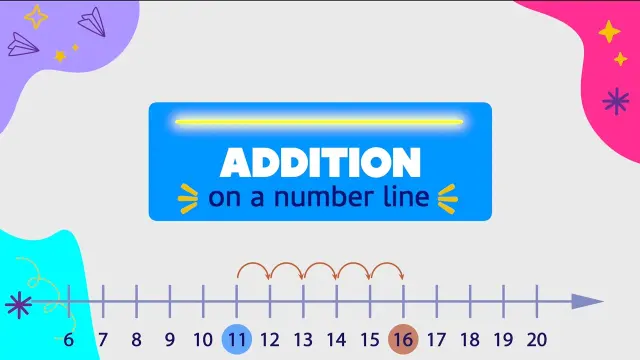 Learn Addition Using a Number Line for Kids
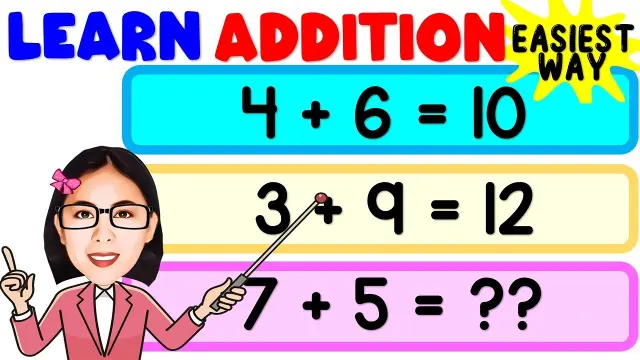 Easiest Way to Learn Addition Math Quiz for Kids
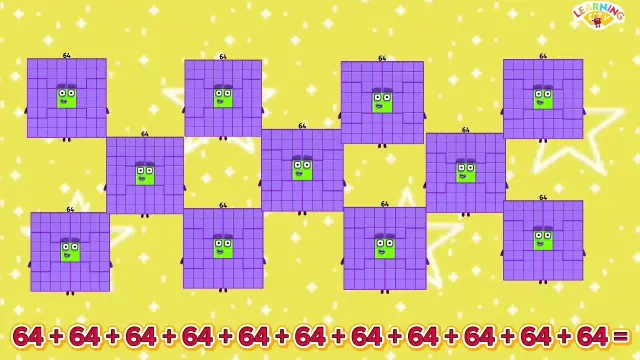 Numberblocks Adding Multiple Big Numbers and Totals
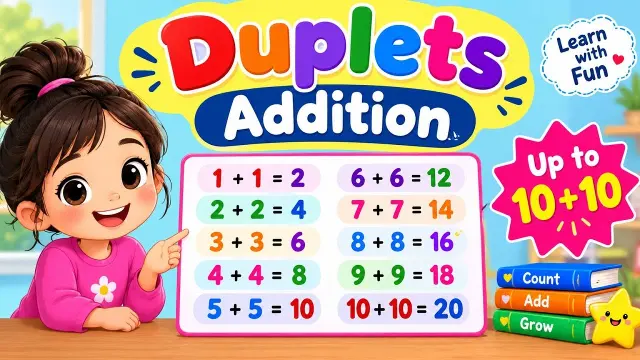 Doubles Addition for Kids from 1+1 to 10+10
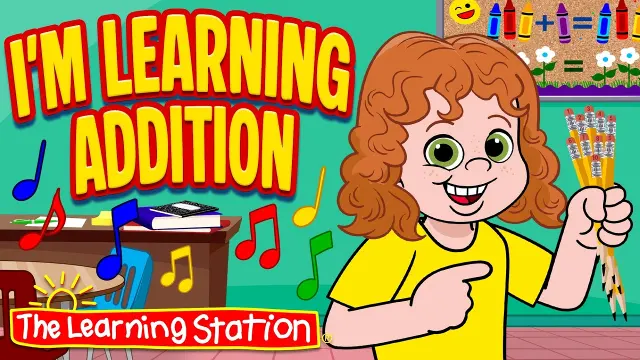 Fun Addition Song to Learn Numbers 1 to 10
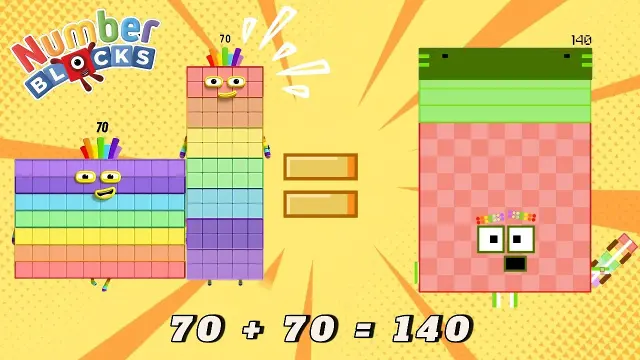 Compute the Sum of Random Numberblocks Quiz
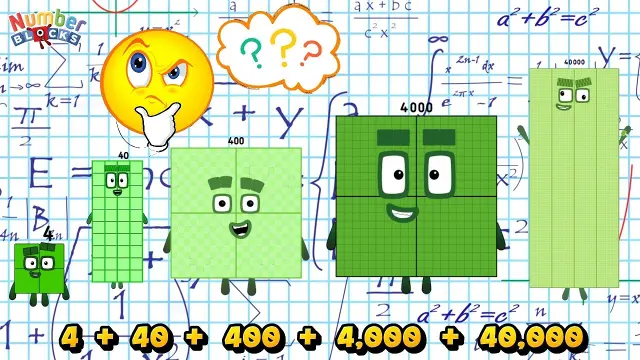 Numberblocks Addition With Big Numbers and Patterns
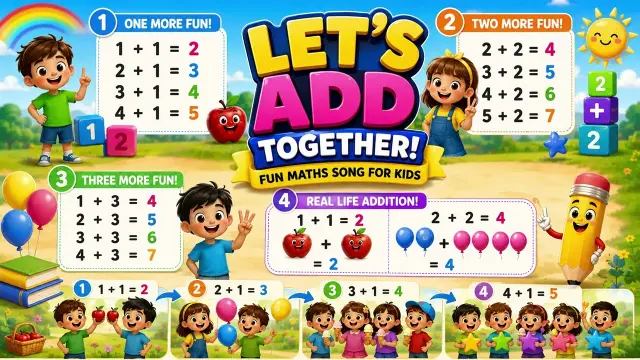 Addition Song for Kids with Fun Music and Visuals
 Learn Simple Addition in English with a Monkey
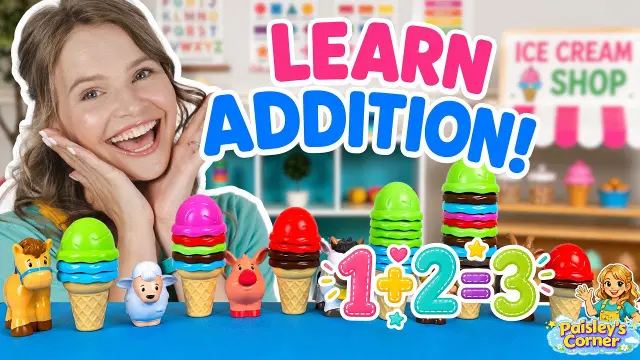 Ice Cream Shop Pretend Play Addition for Toddlers
Get new #Learn Addition ideas by email
Every Thursday: the week's best ideas, with the newest from #Learn Addition.
Related tags
Learning Addition Made Simple
What addition is
Addition is the process of putting numbers together to find a total. It is one of the first math ideas many children learn, because it helps with everyday counting, sharing, shopping, cooking, and measuring. At its simplest, addition means combining two or more amounts into one larger amount.
You may see addition written with the plus sign, like 2 + 3 = 5. The numbers you start with are called addends, and the answer is called the sum. Once you understand that addition is about combining groups, the symbol starts to make sense.
How children usually learn it
Read more
Most beginners start with real objects before moving to numbers on a page. This can mean using buttons, blocks, fruits, fingers, or drawings. Seeing the items makes the idea of “more” easier to understand.
From there, children often move to:
- counting all objects together
- counting on from the larger number
- learning simple number bonds
- recognizing number patterns
For example, if you know 3 and add 2, you can start at 3 and count on: 4, 5. This is often easier than recounting everything from the beginning.
Common ways to practice
There is no single best method, so it helps to try a few. Some children learn well by seeing pictures, some by hearing number rhymes, and others by moving objects around. Short, repeated practice usually works better than long sessions.
Useful practice ideas include:
- grouping everyday objects and counting the total
- using fingers for quick checks
- matching simple sums to pictures
- playing oral addition games
- practicing with small number combinations first
It is also helpful to mix easy sums with a few slightly harder ones. This builds confidence while keeping the skill growing.
What to know before moving on
Before a child becomes comfortable with written addition, it helps to understand counting in order, number recognition, and the idea of “more” and “less.” Careful counting matters more than speed at the beginning. Accuracy comes first, and speed usually develops naturally with practice.
If a child makes mistakes, it often helps to slow down and return to objects or drawings. A visual model can make the answer feel more concrete. Encourage the child to explain how the answer was found, because talking through the steps strengthens understanding.
Helpful tips for beginners
Keep addition practice short, calm, and regular. A few minutes at a time is often enough. Use numbers in real life whenever you can: count stairs, toys, snacks, or coins. This helps children see that math is useful, not just something on paper.
Try to praise effort and method, not only correct answers. If the child uses a clever strategy, notice it. Over time, that builds confidence and independence.
Most importantly, remember that addition is a foundation skill. Once it feels familiar, many other math topics become easier to learn.
Videos come from YouTube and posts from Instagram; titles and summaries are our own. All rights belong to their creators.