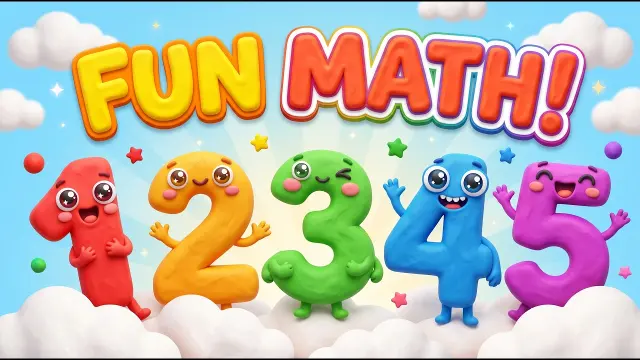
 Preschool Math Learning with Numbers and Addition
#Learn Numbers
2 ideas
Preschool Math Learning with Numbers and Addition
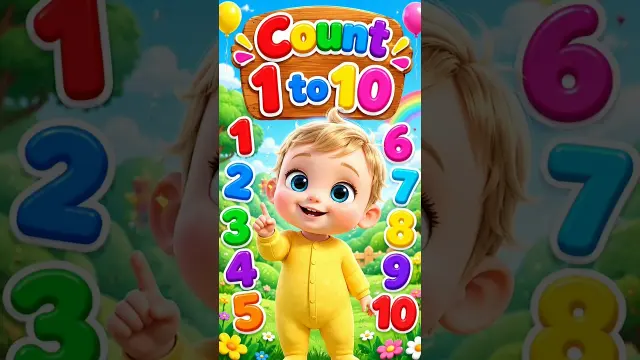 Learn Counting One to Ten with a Cute Baby
Get new #Learn Numbers ideas by email
Every Thursday: the week's best ideas, with the newest from #Learn Numbers.
Related tags
Learning Numbers: A Simple Guide
What numbers are
Numbers are the symbols and ideas we use to count, measure, compare, and keep track of quantity. They help us answer simple questions such as how many, how much, how far, and when. Learning numbers is one of the first steps in building everyday math skills, but it is also part of daily life: reading prices, telling time, sharing food, and following directions all depend on number understanding.
For children, number learning usually begins with noticing small groups, saying number words in order, and connecting a spoken number to an object. Over time, this grows into recognizing written numerals, understanding quantity, and using numbers in simple problem-solving.
How number learning develops
Read more
Children do not usually learn numbers all at once. A common path is:
- Hearing and repeating number words
- Counting objects one by one
- Recognizing numerals like 1, 2, 3
- Matching a numeral to a set of objects
- Understanding which number is more or less
- Using numbers in simple addition and subtraction
It helps to remember that counting words and number meaning are not the same thing. A child may recite numbers confidently but still need practice understanding what those numbers represent.
Simple ways to practice
Everyday life offers many chances to learn numbers. You do not need special materials to begin.
- Count steps as you walk
- Count toys, blocks, buttons, or pieces of fruit
- Point to each object once while counting
- Ask “How many do you see?”
- Compare small groups: “Which has more?”
- Notice numbers on doors, clocks, calendars, and signs
Keep the practice short and relaxed. Repetition matters, but so does variety. Children often learn best when numbers appear in familiar routines rather than as a separate lesson only.
Main number skills to know
A strong early number foundation usually includes a few key ideas:
- One-to-one counting: saying one number for each object
- Number recognition: identifying written numerals
- Quantity understanding: knowing that a set of three objects is three, not just saying “three”
- Ordering: understanding what comes before and after
- Comparison: more, less, same
- Simple operations: adding to make more, taking away to make less
If a child finds one skill easier than another, that is normal. Many children need time to move between speaking numbers, seeing them, and understanding them.
Helpful tips for beginners
Start with small numbers and real objects. Keep counting slow and clear. Let the child touch or move items while counting, because action helps understanding. Use consistent language, especially for younger children. If mistakes happen, gently count together again rather than correcting too quickly.
Most of all, make number learning part of ordinary moments. When it feels playful, useful, and familiar, numbers become easier to understand and remember.
Videos come from YouTube and posts from Instagram; titles and summaries are our own. All rights belong to their creators.