 Don't Underestimate Yourself Level 3 Graded Reader Story
#Learn English
11 ideas
Don't Underestimate Yourself Level 3 Graded Reader Story
 My Stepmother's Secret Level 3 English Graded Reader Story
 English Reading Practice Exploring Communication and Listening
 Your Time Will Come Level 3 Graded Reader Story
 The Complete History of Germany Level 3 Graded Reader Story
 She Knew Me Level 3 English Graded Reader Audio Podcast Story
 How to Talk in English Using a Graded Reader Story
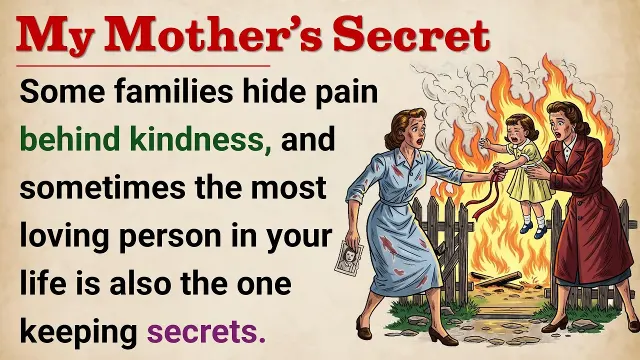 Mother Hid the Truth Level 3 English Graded Reader Story
 Elon Musk Biography Intermediate Level English Graded Reader
 Put God First Christian Graded Reader Story for English Learners
 Never Give Up Slow American English Graded Reader Story
Get new #Learn English ideas by email
Every Thursday: the week's best ideas, with the newest from #Learn English.
Related tags
Learning English: A Practical Guide
Learning English is a long-term process of building understanding, confidence, and habit. English is used widely for travel, study, work, media, and everyday communication, which is why many people learn it as a second or foreign language. There is no single best method for everyone. Most learners improve by combining reading, listening, speaking, writing, and regular review.
What English learners usually focus on
English has a large vocabulary, flexible word order in some situations, and sounds that can be different from those in other languages. Many beginners start with everyday topics such as greetings, numbers, time, family, food, directions, and simple questions. From there, learners move toward common verbs, useful phrases, and short texts.
A strong foundation usually includes:
- basic vocabulary for daily life
- simple grammar patterns
- clear pronunciation practice
- listening to natural but understandable English
- reading short, easy texts
- speaking often, even in small ways
Read more
Main ways to learn
Reading helps you notice sentence patterns, new words, and common expressions. Short stories, graded readers, and simple articles are useful because they let you understand meaning without feeling overwhelmed. When you read, try to guess the meaning of new words from context before reaching for a dictionary.
Listening trains your ear to rhythm, stress, and pronunciation. You can listen to slow audio, dialogues, songs with clear lyrics, podcasts for learners, or short videos. At first, it is normal to understand only a little. Repeated listening often brings more clarity than trying to catch every word at once.
Speaking is easier when you use familiar phrases. Start by repeating short sentences, answering simple questions, or describing your day out loud. You do not need perfect grammar to communicate. Clear, simple sentences are often more helpful than complicated ones.
Writing supports memory and helps you notice mistakes. A few lines each day can be enough: a diary entry, a short summary, or answers to practice questions. Review your writing and look for recurring errors, then focus on one or two patterns at a time.
What beginners should know
It is normal to make mistakes. In fact, mistakes are part of learning. Try not to study only grammar rules in isolation or only memorize vocabulary lists. English becomes easier when you use words in real contexts.
A few practical tips:
- study a little every day instead of only once in a while
- review old material often
- learn phrases, not just single words
- practice pronunciation from the beginning
- keep your goals small and specific
- choose material that is understandable, but not too easy
Building steady progress
The best way to learn English is to make it part of your routine. Mix input and output: read, listen, speak, and write. Use topics you genuinely care about, because interest makes repetition easier. Over time, familiar words become automatic, sentences become faster, and confidence grows.
If you stay patient and consistent, English becomes less like a subject to study and more like a skill you can use.
Videos come from YouTube and posts from Instagram; titles and summaries are our own. All rights belong to their creators.