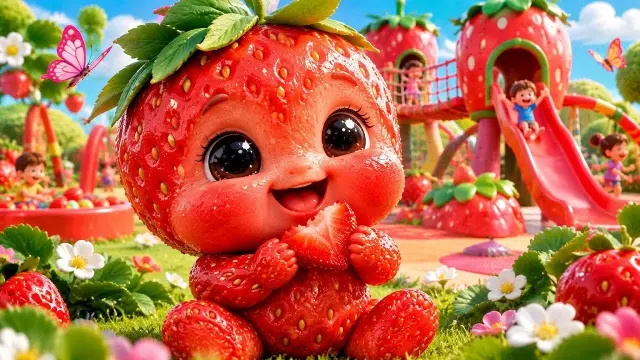
 Learn Fruit Names in a Magical Playground with Fruit Babies
#Learn Fruits
2 ideas
Learn Fruit Names in a Magical Playground with Fruit Babies
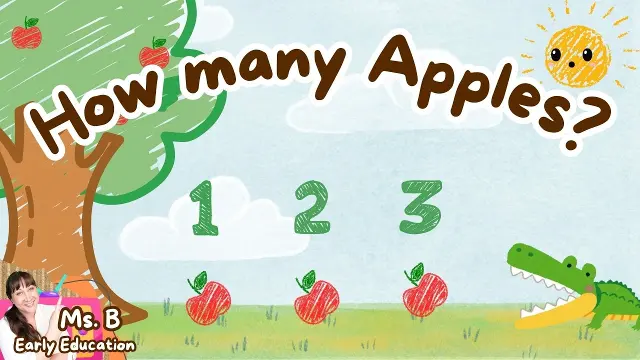 Learn Fruits and Counting Up to Twelve for Toddlers
Get new #Learn Fruits ideas by email
Every Thursday: the week's best ideas, with the newest from #Learn Fruits.
Related tags
Learning Fruits: Names, Types and Simple Activities
What fruits are
Fruits are the edible parts of many flowering plants, usually carrying seeds and growing in many shapes, colours, and flavours. People around the world eat fruits fresh, dried, cooked, or blended, and they appear in both everyday meals and special dishes. Some fruits are sweet, some are tangy, and some are best known for their juice, texture, or aroma.
Learning fruits is useful because it helps you talk about food clearly, choose ingredients for cooking, and build a wider vocabulary. It can also be a simple and enjoyable way for children to learn colours, shapes, counting, and categories.
Common kinds of fruits
Read more
Fruits can be grouped in several simple ways. You might sort them by colour, size, season, taste, or how they grow. A few familiar examples include:
- Berries, such as strawberries, blueberries, and raspberries
- Citrus fruits, such as oranges, lemons, and grapefruits
- Stone fruits, such as peaches, cherries, and plums
- Pome fruits, such as apples and pears
- Tropical fruits, such as bananas, mangoes, pineapples, and papayas
- Melons, such as watermelon and cantaloupe
This kind of grouping makes it easier to remember names and notice patterns. It is also helpful for children, since they often learn best by matching, sorting, and repeating.
How to learn fruit names
The simplest way to learn fruits is to see them, say their names aloud, and connect the word with the object. Repetition helps. You can point to a fruit, name it, and describe one or two features, such as colour, shape, smell, or taste.
Useful habits include:
- Looking at real fruit at the market or in the kitchen
- Using picture cards or illustrated books
- Saying the name, then the colour or shape
- Comparing two fruits at a time
- Learning a few fruits well before adding more
For young children, short and playful practice works best. For older learners, you can add categories, simple descriptions, or basic recipes.
Easy activities for beginners
If you are teaching fruit names, keep the activity short and hands-on. Start with a few familiar fruits and add more gradually. You can try:
- Sorting fruits by colour
- Matching fruit pictures to real fruit
- Counting pieces of fruit in a bowl
- Naming fruits while cutting or serving them
- Talking about whether a fruit is sweet, sour, soft, or crisp
You can also use fruit in everyday routines. Breakfast, snack time, and grocery shopping are all natural moments for practice.
Practical tips
When learning about fruits, focus on clear names and simple observations first. There is no need to memorize everything at once. A small set of fruits learned well is more useful than a long list learned quickly.
Remember that fruit can vary by ripeness and variety, so a fruit may not always look exactly the same. If you are introducing fruits to children, choose familiar examples and keep the language simple. If taste-testing, offer small amounts and be aware of any allergies or dietary needs.
Videos come from YouTube and posts from Instagram; titles and summaries are our own. All rights belong to their creators.