 Triple Addition of Random Step Squad Numbers
#Learn to Count
9 ideas
Triple Addition of Random Step Squad Numbers
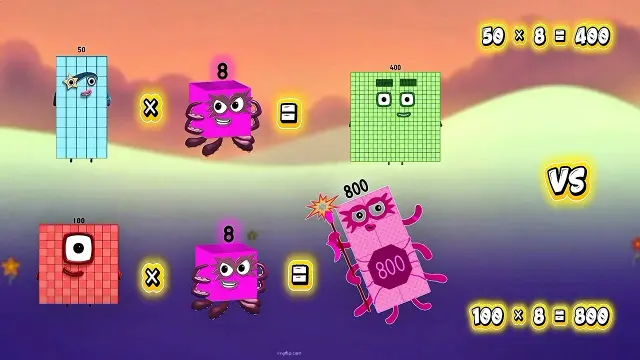 Multiplication Comparison of 50 and 100 Times Tables
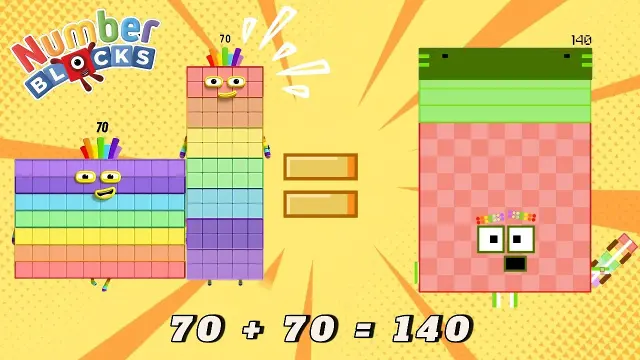 Compute the Sum of Random Numberblocks Quiz
 Maths Multiplication Powers of 4 with Numberblocks
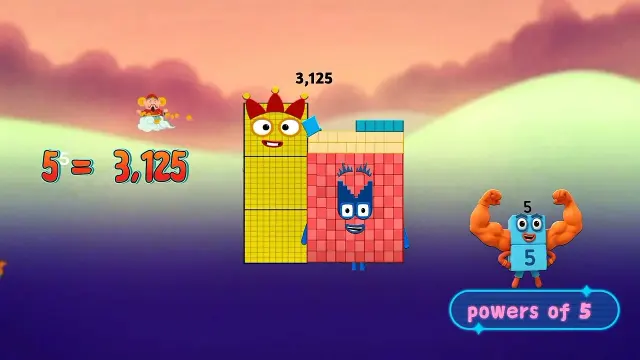 Maths Multiplication Powers of 5 with Numberblocks
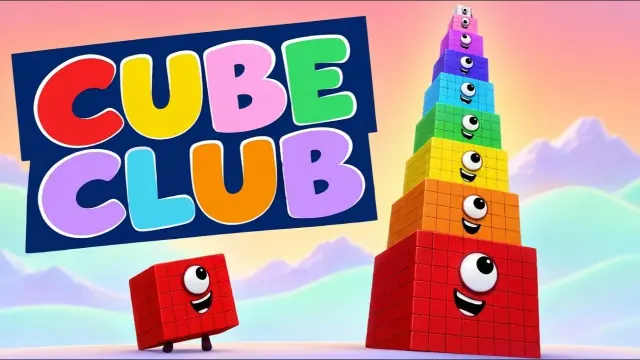 Counting Cube Numbers Up to 125,000 with Numberblocks
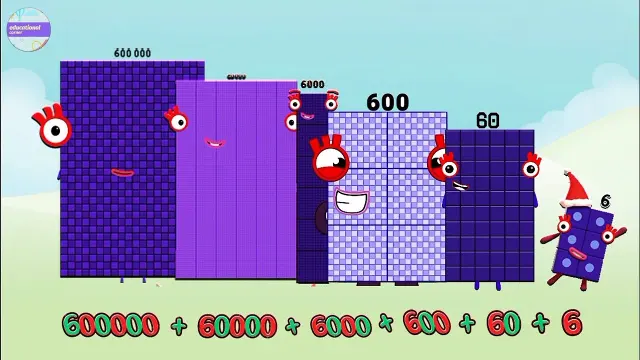 Numberblocks Addition of Big to Small Numbers
 Learn to Count One to Ten with Baby Shark
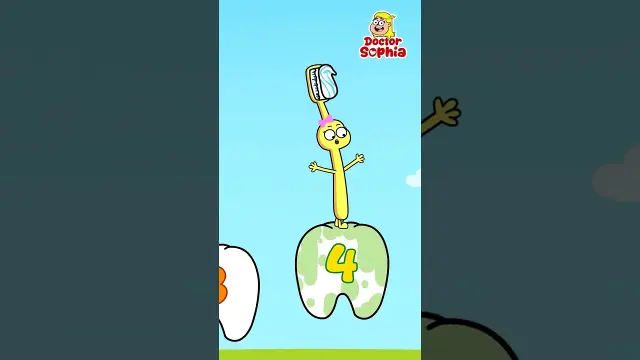 Learn to Count One to Ten with Toothbrush Characters
Get new #Learn to Count ideas by email
Every Thursday: the week's best ideas, with the newest from #Learn to Count.
Related tags
Learning to Count for Young Children
What learning to count means
Learning to count is one of the first steps in early mathematics. It usually begins with recognising number words, then saying them in order, and later matching each number to one object. For young children, counting is not only about memorising numbers. It also helps build number sense, memory, language, and attention.
Children usually learn best when counting is linked to real things they can see, touch, and move. Everyday objects such as toys, steps, snacks, fingers, buttons, or blocks make counting easier to understand because numbers become concrete instead of abstract.
How children usually learn
Read more
Most children begin by reciting numbers in order, often like a rhyme. At first, this may sound more like a song than actual counting. That is normal. Over time, children start to connect each number word with one item. This is called one-to-one correspondence, and it is an important early counting skill.
As children grow more confident, they begin to notice that the last number spoken tells how many there are in total. They may also start comparing groups, recognising small quantities without counting every item, and understanding which number comes before or after another.
Simple ways to practise
- Count everyday objects together: apples, socks, crayons, stairs, or blocks.
- Point to each item once as you say the number word.
- Start with small groups, then slowly add more.
- Repeat familiar counting songs and rhymes.
- Count forwards and, when ready, count backwards from a small number.
- Ask simple questions such as “How many do you have?” or “Can you give me three?”
- Use fingers, dots, and pictures to show that numbers can be represented in different ways.
Helpful teaching tips
Keep counting playful and relaxed. Young children learn better when they are interested and not rushed. Short, frequent practice is usually more effective than long lessons. It also helps to use the same counting language consistently, especially when introducing number words or comparing quantities.
If a child skips a number, repeats one, or loses track, simply start again calmly. Counting takes practice, and mistakes are part of learning. You can also make it easier by counting slower, using fewer objects, or grouping items into small sets.
What to remember
Learning to count is more than reciting numbers. It is about understanding that numbers match real quantities and can be used in daily life. With repetition, play, and familiar routines, children gradually build confidence and a strong foundation for later maths learning.
The best start is simple: count what is around you, make it fun, and keep it natural.
Videos come from YouTube and posts from Instagram; titles and summaries are our own. All rights belong to their creators.