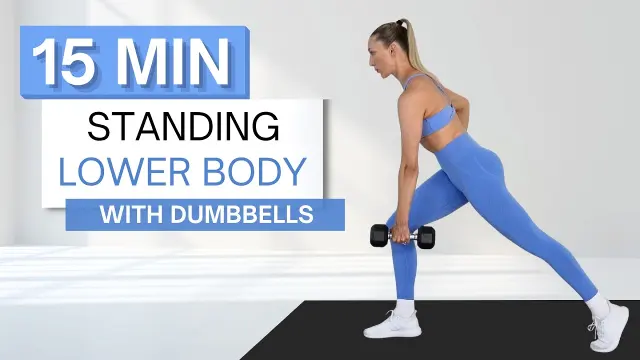
 15 Minute Standing Lower Body Workout with Dumbbells
#Leg Day
11 ideas
15 Minute Standing Lower Body Workout with Dumbbells
 20 Minute Lower Body Strength and Pilates Workout
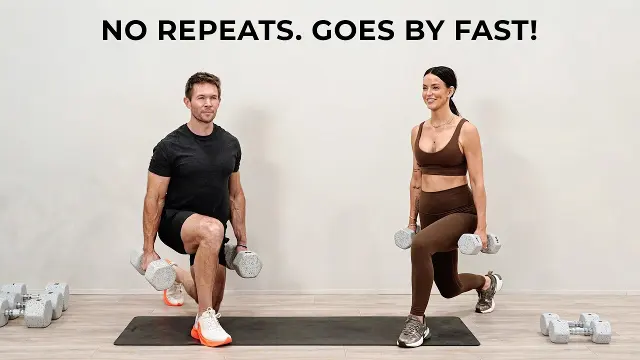 40 Minute Dumbbell Strength Workout for Lower Body
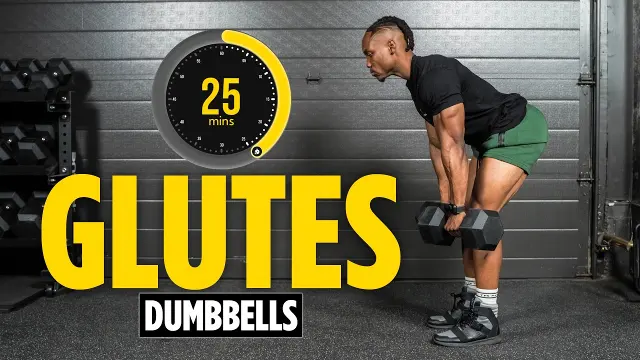 25-Minute Intense Dumbbell Legs and Glutes Workout
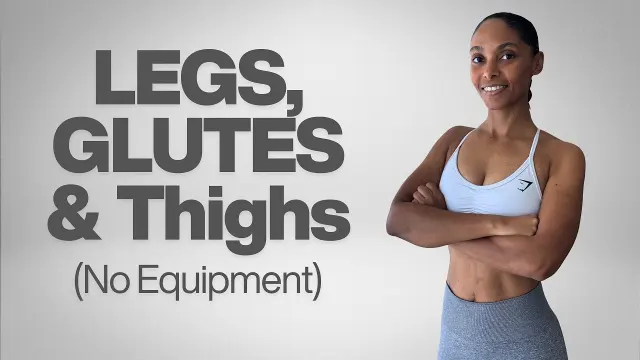 20 Minute Bodyweight Lower Body Toning and Shaping Workout
 20 Minute Dumbbell Hips, Legs and Glutes Workout
 25 Minute Lower Body Strength Training Workout
 20 Minute Lower Body Burn Session with Weights
 30 Minute At-Home Lower Body Strength Leg Day Routine
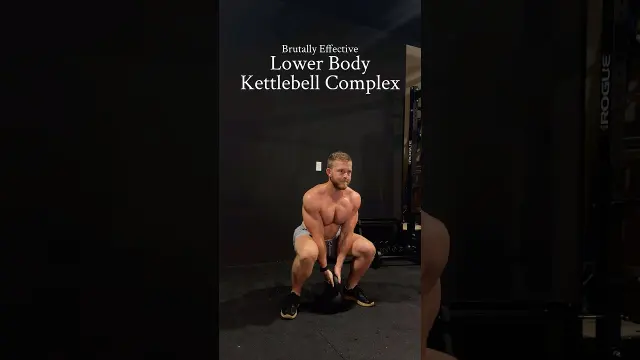 Brutally Effective Lower Body Kettlebell Complex Routine
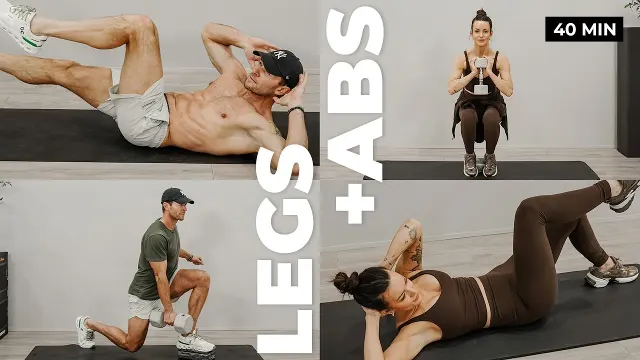 40 Min Legs and Abs Workout with Dumbbells at Home
Get new #Leg Day ideas by email
Every Thursday: the week's best ideas, with the newest from #Leg Day.
Related tags
Leg Day: Lower Body Strength and Training Guide
What leg day means
Leg day is a workout focused on the muscles of the lower body, especially the thighs, glutes, hips, and calves. It is a common part of strength training because the legs contain some of the largest muscle groups in the body and play a major role in walking, climbing, lifting, balance, and everyday movement.
A well-planned leg day can be done with bodyweight alone or with added resistance such as dumbbells, kettlebells, barbells, or machines. The goal is usually to improve strength, endurance, shape, and stability. Many people also use leg workouts to support overall athletic performance and better posture.
Main muscle groups involved
Read more
Leg training usually works several areas at once:
- Quadriceps, at the front of the thighs
- Hamstrings, at the back of the thighs
- Glute muscles, in the hips and buttocks
- Calves, at the lower back of the legs
- Inner and outer thigh muscles
- Core muscles, which help support balance and control
Because many leg exercises recruit more than one muscle group, they can feel demanding even when the movement itself looks simple.
Common leg exercises
Some of the most familiar leg-day exercises are squats, lunges, deadlift variations, step-ups, glute bridges, hip thrusts, calf raises, and split squats. These can be done in different ways depending on your experience and equipment.
Bodyweight versions are a good starting point if you are new to training. They help you learn form and build control before adding load. With weights, you can usually challenge the muscles more deeply, but good technique matters more than lifting heavy.
Different styles of leg training
Leg day can take several forms:
- Strength training, which uses heavier resistance and fewer repetitions
- Endurance or conditioning workouts, which use lighter resistance and more repetitions
- Hypertrophy-focused training, which aims to build muscle size through controlled effort
- Functional training, which emphasizes balance, mobility, and movement quality
- Pilates or barre-influenced lower-body work, which often uses small, precise movements and sustained tension
Each style has its place. The best choice depends on your goals, your training history, and how much recovery you need.
What beginners should know
If you are new to leg day, start with a manageable number of exercises and keep the movements controlled. Warm up first with light cardio, joint mobility, and a few easy repetitions of the exercises you plan to do. This can help you move more comfortably and reduce the chance of strain.
Good form is more important than speed. Keep your feet planted, your knees tracking in a controlled line, and your torso stable. If an exercise causes sharp pain or feels wrong in a joint, stop and adjust.
Practical tips for better leg workouts
- Use a full range of motion you can control
- Rest enough between sets so your form stays solid
- Work both sides evenly in single-leg exercises
- Mix compound movements and simpler isolation work
- Give your legs time to recover between hard sessions
- Stretch gently after training if it feels good for your body
Leg day does not have to be extreme to be effective. A steady routine, good technique, and gradual progress are usually enough to build stronger, more capable lower-body muscles over time.
#Leg Day: frequently asked questions
How do I start a leg day workout if I’m a beginner?
Start with a short session built around a few basic movements, such as squats, lunges, bridges, or step-ups. Warm up first, move slowly, and focus on controlled form before adding extra resistance.
What equipment do I need for leg day?
You can do an effective leg workout with just your bodyweight, especially when you are learning the movements. If you want more challenge, you can add dumbbells, kettlebells, barbells, or machine-based resistance.
Which type of leg day should I choose?
Choose the style that matches your goal: strength work for heavier resistance, endurance work for higher-rep training, or controlled lower-body work if you want more emphasis on form and muscle tension. If you want balanced results, a mix of compound exercises and simpler isolation moves usually works well.
How should I take care of my legs after a workout?
Give your legs time to recover, especially after a hard session, and avoid repeating intense lower-body work too often in a row. Gentle stretching, light movement, and good rest can help your body feel more comfortable and ready for the next workout.
What are common mistakes people make on leg day?
A common mistake is rushing through the exercises and letting form break down, especially when fatigue sets in. Another is doing too much too soon or neglecting balance between both sides of the body, which can make the workout less effective.
Videos come from YouTube and posts from Instagram; titles and summaries are our own. All rights belong to their creators.