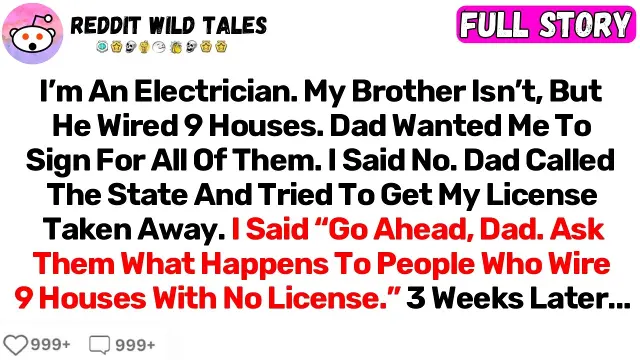
 Family Drama Over Contractor Licenses and Permits
#License
5 ideas
Family Drama Over Contractor Licenses and Permits
 The Montana License Plate Loophole Explained
 Property and Casualty Insurance Exam Comprehensive Study Guide
 California Seniors License Renewal Written Practice Test
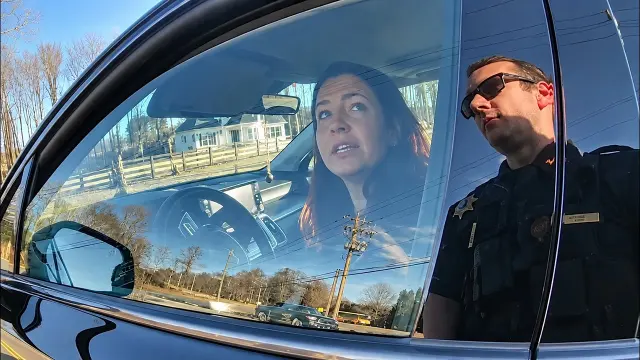 Legal Breakdown of a Driver Refusing to Show a License
Get new #License ideas by email
Every Thursday: the week's best ideas, with the newest from #License.
Related tags
Understanding Licenses
A license is official permission to do something that would otherwise be restricted, regulated, or reserved for qualified people. It is usually issued by a government authority, a professional body, or another organisation with the power to set rules. Licenses help protect the public, confirm competence, and make sure certain activities are carried out responsibly.
You’ll come across licenses in many parts of life. Some are simple permissions, such as a driving license or a pet license. Others are professional licenses needed to work in fields where skill, judgment, and legal responsibility matter, such as health care, teaching, finance, or insurance. In many cases, the license shows that you have met set standards and agree to follow specific rules.
There are several broad kinds of licenses.
- Personal licenses: These allow an individual to do something specific, such as drive, fish, or own certain regulated items.
- Professional licenses: These are required for jobs where the public relies on your training and conduct.
- Business licenses: These permit a company or self-employed person to operate legally in a certain place or industry.
- Intellectual property licenses: These give permission to use someone else’s creative work, technology, or idea under agreed terms.
Read more
The exact requirements depend on the type of license and where you live. You may need to complete training, pass an exam, submit documents, meet age or identity rules, and pay a fee. Some licenses are issued for a set period and must be renewed. Others may come with conditions, limits, or continuing education requirements.
If you’re applying for a license, it helps to start by understanding what authority issues it and what the rules are. Read the requirements carefully, gather your documents early, and keep copies of everything you submit. If an exam is involved, plan your study time and learn the basic concepts before focusing on details. If the license is for work, check whether there are extra rules about supervised experience, ethics, or background checks.
A license is not the same as a certificate or a qualification, although these may be related. A certificate usually shows that you completed a course or training program. A license, by contrast, is permission to perform a regulated activity. In some fields, you may need both.
It’s also important to keep your license current. Missing a renewal date, ignoring conditions, or working outside the scope of your license can cause problems. Good record-keeping, timely renewals, and a clear understanding of your responsibilities will make the process much easier.
If you’re new to licensing, think of it as a way to show that you’re ready, authorised, and accountable. Whether it’s for driving, work, or a regulated activity, a license is often the formal step that turns preparation into permission.
Videos come from YouTube and posts from Instagram; titles and summaries are our own. All rights belong to their creators.