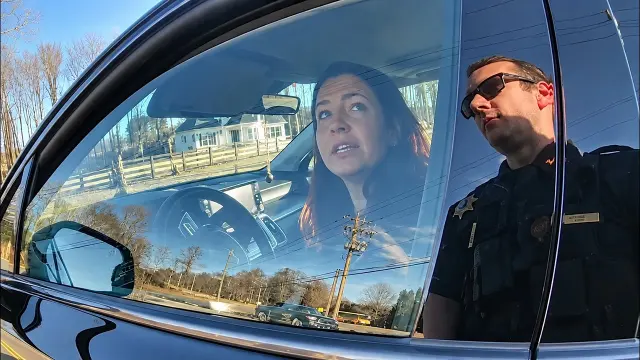
 Legal Breakdown of a Driver Refusing to Show a License
#Traffic Stop
1 ideas
Legal Breakdown of a Driver Refusing to Show a License
Get new #Traffic Stop ideas by email
Every Thursday: the week's best ideas, with the newest from #Traffic Stop.
Related tags
Understanding a Traffic Stop
A traffic stop is when a police officer or other authorized authority asks a driver to pull over for a possible traffic violation, a vehicle issue, or another safety concern. It is a common part of road use, and while it can feel stressful, the best approach is usually simple: stay calm, stay visible, and follow instructions carefully.
What a traffic stop is for
Traffic stops are used to check whether a vehicle is being driven safely and legally. A stop may happen after something as small as a broken light, a speeding concern, an expired document, or a driving action that needs explanation. Sometimes the reason is quickly resolved; other times the officer may ask more questions or issue a warning or citation.
For you, the main goal is to keep the exchange safe and straightforward. The officer’s goal is usually to assess the situation, verify information, and decide what happens next.
Read more
How to respond calmly
If you are signaled to pull over, do so as soon as it is safe. Use your turn signal if needed and move to a place where both you and the officer can safely stop. Once parked, stay in the car unless you are told to step out.
A few simple habits help:
- Keep your hands where they can be easily seen
- Turn off the engine if asked, and keep your movements slow
- Wait for the officer to explain what is happening
- Speak politely and avoid arguing at the roadside
If you need to reach for documents, tell the officer first and move slowly. This helps prevent misunderstandings.
Documents and questions
During a stop, you may be asked for your driver’s license, registration, and proof of insurance, depending on local rules. It helps to keep these items easy to find.
You may also be asked questions about where you are going, where you are coming from, or why you were driving in a certain way. In many situations, a brief and respectful answer is the easiest path. If you do not want to answer a question, you can usually remain calm and state that you prefer not to discuss it further. The key is to stay polite and not escalate the moment.
If you disagree with the stop
You may believe the stop was unnecessary or mistaken. If that happens, try to save the discussion for later rather than trying to settle it at the roadside. Arguing in the moment can make the situation more difficult.
If you receive a ticket or warning, read it carefully and follow the instructions for responding. If you are unsure about your options, it may help to seek qualified legal advice based on your local laws.
Staying prepared
A little preparation can make traffic stops less stressful:
- Keep your license and vehicle papers organized
- Make sure lights, plates, and basic equipment are in good condition
- Know how to lower your window and turn on interior lights at night
- Keep your phone within reach, but do not use it in a way that distracts you
A traffic stop is often brief, but how you handle it matters. Calm, clear, and respectful behavior usually makes the experience safer for everyone involved.
Videos come from YouTube and posts from Instagram; titles and summaries are our own. All rights belong to their creators.