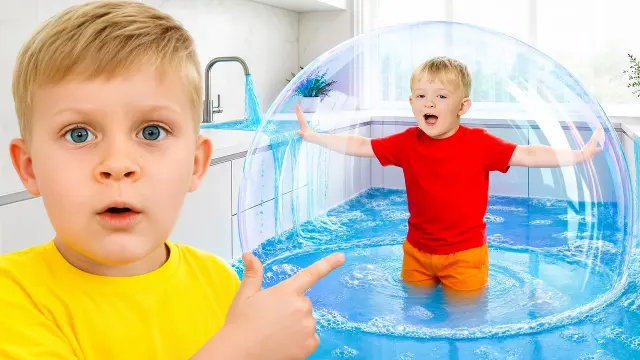
 Kids Learn Creative Ways to Save Water
#Life Skills
1 ideas
Kids Learn Creative Ways to Save Water
Get new #Life Skills ideas by email
Every Thursday: the week's best ideas, with the newest from #Life Skills.
Related tags
Life Skills for Everyday Living
What life skills mean
Life skills are the practical abilities that help you handle everyday life with more confidence and independence. They include both simple daily habits and broader personal skills, such as managing time, communicating clearly, making decisions, solving problems, and taking care of yourself and your home. Some life skills are learned naturally through family routines and school, while others are built slowly through experience, practice, and patience.
These skills are useful at every age. For children, life skills can mean tying shoes, cleaning up after a meal, or learning how to ask for help. For adults, they may include budgeting, planning meals, keeping a household organized, or handling work and family responsibilities without feeling overwhelmed.
Common types of life skills
Read more
Life skills cover many areas, and they often overlap.
- Personal care: hygiene, sleep routines, healthy habits, and basic self-care
- Household skills: cleaning, laundry, tidying, cooking simple meals, and caring for belongings
- Money skills: saving, spending wisely, tracking expenses, and understanding needs versus wants
- Communication skills: listening, speaking respectfully, asking questions, and setting boundaries
- Problem-solving: thinking through options, staying calm, and learning from mistakes
- Organization: planning tasks, managing time, and remembering responsibilities
- Social skills: cooperation, empathy, manners, and resolving small conflicts
How life skills are learned
Most life skills are built by doing. Watching someone else can help, but real confidence usually comes from repetition. A child may need to practice pouring water many times before it feels easy. An adult may need several attempts to build a better routine for meals, chores, or work tasks.
It helps to break a skill into small steps. For example, instead of expecting someone to “learn to cook,” start with washing vegetables, reading simple instructions, or preparing one easy recipe. Small successes make bigger skills feel manageable.
Practical ways to build life skills
- Start with one skill at a time
- Practice in everyday situations, not only in theory
- Keep instructions simple and clear
- Allow room for mistakes, because mistakes are part of learning
- Repeat routines until they feel familiar
- Give age-appropriate responsibilities
- Praise effort, not only results
What beginners should remember
If you are teaching or learning life skills, patience matters. Not everyone learns at the same pace, and confidence often grows slowly. It is better to build steady habits than to try to do everything at once. Choose skills that are useful right now, and begin with the smallest possible step.
Life skills are not about perfection. They are about becoming more capable, more independent, and better able to care for yourself and the people around you. Over time, these everyday abilities can make home life, school, work, and relationships feel easier to manage.
Videos come from YouTube and posts from Instagram; titles and summaries are our own. All rights belong to their creators.