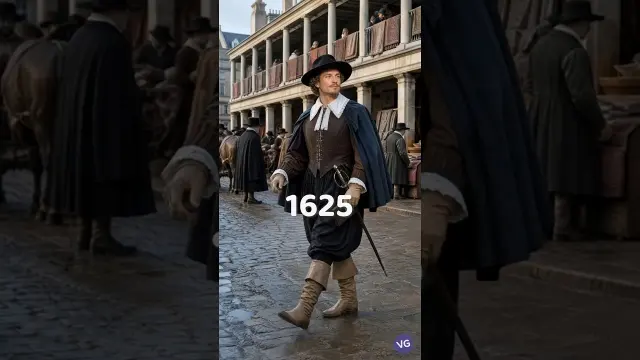
 Men's Fashion in London Through the Decades
#London Style
3 ideas
Men's Fashion in London Through the Decades
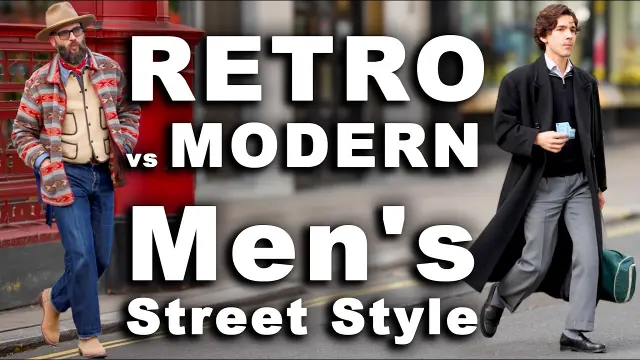 Vintage and Modern Men's Style Compared on London Streets
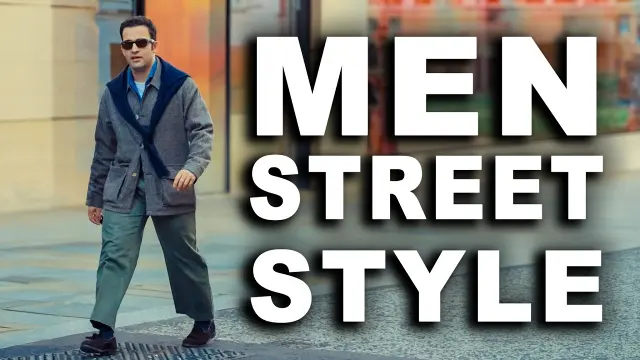 November Street Style: How Stylish Men Dress in London
Get new #London Style ideas by email
Every Thursday: the week's best ideas, with the newest from #London Style.
Related tags
London Style: A Guide to Dressing Like a Londoner
London style is less a single look than a way of carrying several looks at once. The city's dress has always been a conversation between the formal and the improvised: a tailored coat over a hoodie, polished shoes with worn denim, something deliberate paired with something thrown on. What holds it together is attitude rather than a uniform — clothes that suggest you dressed for yourself first and for anyone else second.
Where it comes from
Two traditions shaped the way Londoners dress. One is the tailoring trade, centred on the streets around Savile Row, which gave the city a lasting respect for good cloth, a clean shoulder and a garment that fits properly. The other is the street, where successive generations invented their own dress: sharp suits and scooters among the Mods, safety pins and torn shirts in punk, market stalls selling secondhand and homemade clothing on weekends. Add the influence of the many communities that have made the city home, and you get a style that borrows constantly and without much ceremony.
The main strands
Read more
- Tailoring, softened. A well-cut jacket, a good overcoat, trousers with a clean line — worn loosely, never stiffly.
- Streetwear and sportswear. Trainers, hoodies, track tops, technical fabrics, treated as everyday clothing rather than gym kit.
- Vintage and secondhand. Markets and charity shops are part of the culture, and an old piece mixed with new keeps an outfit from looking too considered.
- Workingwear and utility. Parkas, field jackets, sturdy boots — garments borrowed from practical jobs and worn for their shape.
- The eccentric edge. London has always tolerated, and quietly admired, a person who commits to something odd.
What to know before you start
Weather is the first teacher. Dressing in London means layering: a base layer, something warm, and an outer layer that can take rain. A good waterproof coat will do more for your appearance than any single fashion item, because being comfortable is the difference between wearing clothes and being worn by them.
Fit beats label. Secondhand and inexpensive pieces look sharp when the shoulders sit right and the length is close; expensive ones look borrowed when they don't.
Footwear carries a lot of weight. You will walk more than you expect, and often on wet ground. Choose shoes you can genuinely walk in, and keep them clean — a scuffed shoe can be charming, a neglected one rarely is.
Mixing registers is the real trick. Take one thing that is formal and one that is not, then let them argue slightly. Chinos with a battered jacket; a tailored coat with a plain knit and trainers. Avoid assembling everything from the same register — that's when an outfit starts to look like a costume.
Finally, buy slowly and wear things out. London style rewards a wardrobe that looks lived in: a few pieces you repeat, repaired rather than replaced, chosen because you like them rather than because they are new.
#London Style: frequently asked questions
How do I start dressing in a London style if I don't want to look like I'm in costume?
Start with pieces you already own and change one element at a time, so the outfit still looks like you rather than a theme. Add a well-fitting jacket or coat to what you normally wear and see how it sits, then build from there. The aim is a wardrobe that looks worn-in and personal, not assembled all at once.
What should I keep in mind when choosing clothes for London weather?
Think in layers, since the day can shift from mild to wet without much warning: something close to the skin, something warm, and an outer layer that handles rain. A waterproof coat earns its place more than any single statement piece, because being comfortable is what lets you wear clothes well instead of fighting them.
Should I go for tailoring or streetwear if I like both?
You don't have to pick — the look works best when the two rub against each other slightly. Try a sharp jacket with plain knitwear and trainers, or tailored trousers with a battered outer layer, keeping the fit clean so the contrast reads as deliberate. Building an outfit entirely from one register is what makes it feel stiff or costumey.
How do I choose between vintage pieces and new ones?
Judge by fit and condition rather than age, since a cheap secondhand jacket with the right shoulder and length beats an expensive one that hangs wrong. Mixing an older piece into a mostly new outfit keeps things from looking too considered. Buy slowly and pick what you genuinely like, not what happens to be available.
How should I look after shoes and clothes so they hold up?
Keep footwear clean and walkable, because you'll cover more ground than you expect and often on wet pavement — a slightly scuffed shoe can be charming, a neglected one rarely is. Repair rather than replace where you can, and let a small rotation of pieces show some wear. That lived-in quality is part of the style.
What's the most common mistake people make when trying to dress this way?
Assembling everything from the same register — all formal or all sporty — so the result looks like a uniform or a costume instead of a person. The other frequent slip is chasing labels over fit, when shoulders and length matter far more than the name inside the collar. Dressing for yourself first, and everyone else second, is what actually holds the look together.
Videos come from YouTube and posts from Instagram; titles and summaries are our own. All rights belong to their creators.