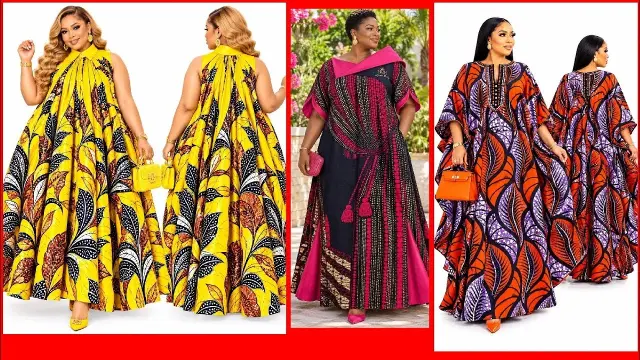
 Gorgeous Ankara Long Gowns and African Fashion Ideas
#Long Gowns
1 ideas
Gorgeous Ankara Long Gowns and African Fashion Ideas
Get new #Long Gowns ideas by email
Every Thursday: the week's best ideas, with the newest from #Long Gowns.
Related tags
Long Gowns: A Guide to Choosing and Wearing Them
A long gown is a dress that falls to the ankle or the floor. The idea is simple, and that is exactly why it has lasted: a single garment that can be as plain or as ceremonial as the moment requires. Long dresses appear in nearly every culture's history — the tunics and robes of the ancient world, the heavy court dresses of later centuries, the flowing wraps worn for celebrations from West Africa to South Asia. What changes is the fabric, the cut and the decoration; what stays is the sense that length carries weight.
The main silhouettes
Most gowns you will come across fall into a handful of shapes.
- A-line: fitted at the bodice and widening gently to the hem. The most forgiving shape and a good starting point if you are unsure.
- Ball gown: a full, gathered skirt. Formal and dramatic, best suited to large occasions and generous spaces.
- Column: narrow from shoulder to hem, following the body's line. Elegant and quiet, but it leaves little room for error in fit.
- Mermaid or trumpet: close through the hips and thighs, then flaring out near the knee or mid-calf. Striking, and easier to walk in than it looks.
- Empire: the waistline sits just under the bust, with the skirt falling from there. Comfortable, airy and flattering on many figures.
- Sheath or slip: cut close with minimal structure, often in soft fabric. Understated and easy to move in.
Read more
Fabric, structure and decoration
The fabric decides how a gown behaves. Structured fabrics — heavy satin, brocade, taffeta — hold a shape and suit full skirts. Fluid ones — chiffon, crepe, silk jersey — drape and move and work well in narrow cuts. Embellishment such as beading, embroidery or lace adds weight, so a decorated gown usually needs a simpler line to stay balanced.
Choosing one that works
Start with the occasion and the ground you will be standing on. A floor-length gown needs a hem that clears the floor by a centimetre or two at the front, so you are not lifting it all evening. Petite wearers often find column and empire lines lengthen the figure, while taller wearers can carry full skirts and large prints comfortably. Consider the shoe you will actually wear before the hem is marked — heel height changes everything.
Fit matters more than size on the label. A gown that pulls across the back or rides up at the shoulders will not be rescued by the fabric. Allow time for alterations, and try the finished dress walking, sitting and climbing stairs.
Simple care
Hang long gowns from the inside straps or shoulders rather than the delicate edges of a neckline, and give embellished pieces room so beads and lace are not crushed. Store them clean, since invisible marks from perspiration or drinks darken over time. Press on low heat with a cloth between iron and fabric, and test any cleaning method on a hidden seam first.
A long gown is not only for grand events. Worn with flat shoes and a light layer, a simple floor-length dress is one of the most comfortable things you can put on.
#Long Gowns: frequently asked questions
How do I choose a long gown silhouette that suits me?
Start with the occasion and how much room you will have to move in it. An A-line is the most forgiving starting point, column and empire lines tend to lengthen a petite figure, and full skirts or large prints sit easily on taller frames. Whatever you pick, judge it in motion rather than in the mirror — walk, sit and take a few stairs before you commit.
Which fabric works best for a floor-length dress?
Structured cloth such as satin, brocade or taffeta holds a shape and suits full skirts, while fluid ones like chiffon, crepe or silk jersey drape and move well in narrow cuts. Beading, embroidery and lace add weight, so a heavily decorated gown usually reads better with a simpler line. Let the fabric decide the silhouette rather than fighting it.
How should a floor-length gown fit?
The hem should just clear the floor at the front so you are not carrying the skirt all evening, and the bodice should not pull across the back or slip off the shoulders. Have the hem marked while wearing the shoes you actually plan to wear, since heel height changes everything. Leave time for alterations and try the finished dress walking, sitting and climbing stairs.
What is the best way to care for and store a long gown?
Hang it from the inner shoulder straps rather than the delicate edge of a neckline, and give embellished pieces their own space so beads and lace are not crushed. Store it clean, because marks from perspiration or a spilled drink darken with time and become harder to lift. Press on low heat with a cloth between the iron and the fabric, and test any cleaning method on a hidden seam first.
Can a long gown work for everyday wear?
Yes — a simple floor-length dress in a soft, fluid fabric with flat shoes and a light layer over it is one of the most comfortable things you can wear. Keep the cut clean and the decoration minimal so it reads as relaxed rather than borrowed from an evening. Plain fabrics and quiet silhouettes do most of that work.
What should I keep in mind with a printed or Ankara long gown?
A bold print already carries the drama, so a simpler, well-cut silhouette usually lets it speak instead of competing with it. Wax-print cotton has body and holds a gathered or flared skirt nicely, which is why it suits full shapes. Check that the pattern lines up at the seams and that the hem is cut straight to the print, since any crookedness shows immediately.
Videos come from YouTube and posts from Instagram; titles and summaries are our own. All rights belong to their creators.