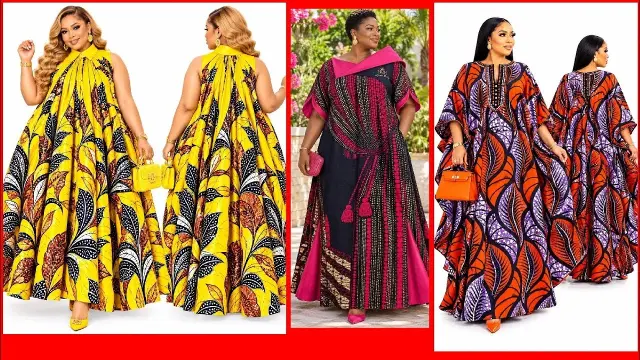
 Gorgeous Ankara Long Gowns and African Fashion Ideas
#Maxi Dresses
2 ideas
Gorgeous Ankara Long Gowns and African Fashion Ideas
 Stunning Ankara Styles That Create a Rich and Classy Look
Get new #Maxi Dresses ideas by email
Every Thursday: the week's best ideas, with the newest from #Maxi Dresses.
Related tags
Maxi Dresses: A Complete Guide to Long Dress Style
A maxi dress is simply a dress that falls to the ankle or the floor. That is the whole definition — the length is what makes it a maxi, not the shape, the fabric or the occasion. Because the term says nothing about cut, the category stretches from a plain jersey column you could sleep in to a structured gown with boning and a train. That breadth is exactly why it suits so many people and so many moments.
Where it comes from
Long dresses are older than fashion itself: for most of history, a floor-length hem was ordinary daywear. The maxi as a distinct style belongs to the bohemian and resort tradition, where loose, flowing lengths were worn for heat, movement and ease, and it was carried into everyday wardrobes alongside summer holidays and relaxed evening dressing. Many cultures have their own long-dress traditions — the Ankara gown, the sari, the kaftan, the kanga — and these have fed into how the modern maxi looks and is worn.
Silhouettes worth knowing
Read more
- Column: falls straight from shoulder or bust, narrow through the body. Clean and formal.
- A-line: fitted at the top, widening gently to the hem. The most forgiving shape.
- Empire: the seam sits just under the bust, with the skirt falling free. Good in heat and in pregnancy.
- Fit and flare: shaped to the waist, then full. Reads romantic and works well for events.
- Tiered and smocked: gathered in horizontal bands, often with elastic shirring. Relaxed and easy to wear.
Fabric changes everything
The same pattern behaves very differently depending on cloth. Cotton and linen hold a crisp shape but crease; viscose and jersey drape and travel well but can cling; chiffon and georgette are light and floaty but need a lining; crepe and satin give weight and a formal finish. If you want a dress that works for both day and evening, a matte crepe or a heavier viscose is a good starting point.
What beginners should know
Hem length is the detail people get wrong most often. A maxi should clear the floor by a centimetre or two when you are wearing the shoes you intend to wear with it — try it on with those shoes, not barefoot. Check that you can walk, sit and climb stairs comfortably before you commit, especially in a narrow column or a heavy fabric. Petite frames often look best in a hem that stops just above the ankle, with a defined waist to keep the proportion balanced.
Practical tips
Prints carry weight at this length, so a large motif can overwhelm a small frame and a fine print can disappear on a tall one. Wide legs and a full skirt need room to move, so keep bags and jackets compact. Layering works beautifully: a knit over a cotton maxi, a belt to mark the waist, a cropped jacket for structure. For warmth, a long cardigan or a denim jacket keeps the line.
Care
Long hems collect dust and street dirt faster than short ones, so wash or brush the bottom edge often. Hang rather than fold heavy crepe and satin, and steam rather than iron anything with drape. With a little attention, a well-chosen maxi lasts for years and works across seasons.
#Maxi Dresses: frequently asked questions
What actually makes a dress a maxi?
It comes down to length alone: the hem falls to the ankle or the floor. The word says nothing about cut, cloth or occasion, which is why the category runs from a plain jersey column to a structured gown. Understanding that is the quickest way to stop feeling confused by how different two maxi dresses can look.
How do I pick a silhouette that will suit me?
Start from how you want the dress to behave rather than from body rules. A-line widens gently from a fitted top and flatters most people, column reads clean and formal, empire sits under the bust and stays cool in heat, and fit-and-flare or tiered shapes feel softer and more relaxed. Try the same dress in two shapes if you can, since the difference is easier to feel than to imagine.
What is the most common mistake with maxi dress length?
Getting the hem wrong, usually because people try the dress on barefoot. Put on the shoes you actually plan to wear, then check the hem skims just clear of the floor rather than pooling or hovering. Before you commit, walk, sit down and go up a few stairs in it — a narrow column or a heavy fabric can feel very different in motion than it does standing still.
Which fabrics work best if I want one dress for several occasions?
Look for something with drape and a matte finish, such as a heavier viscose or a crepe, which reads relaxed in daylight and polished in the evening. Cotton and linen hold a crisp shape but crease easily, chiffon and georgette float but need a lining, and satin adds formality but shows every mark. Choosing cloth before print or trim saves a lot of second-guessing.
How should I style a long dress so it does not overwhelm me?
Keep the pieces you add compact, because a full skirt or wide leg needs visual room around it. A belt marks the waist, a cropped jacket or knit adds structure and warmth without breaking the line, and a small bag keeps the proportion balanced. Print scale matters too — a very large motif can swallow a smaller frame while a fine print can vanish on a taller one.
How do I care for a maxi dress so it lasts?
The hem is the part that ages first, since it picks up dust and street dirt much faster than a shorter dress, so brush or wash that edge regularly. Hang heavy crepe and satin rather than folding them, and steam anything with drape instead of pressing it flat. A little routine attention is what keeps a well-chosen maxi wearable across seasons.
Videos come from YouTube and posts from Instagram; titles and summaries are our own. All rights belong to their creators.