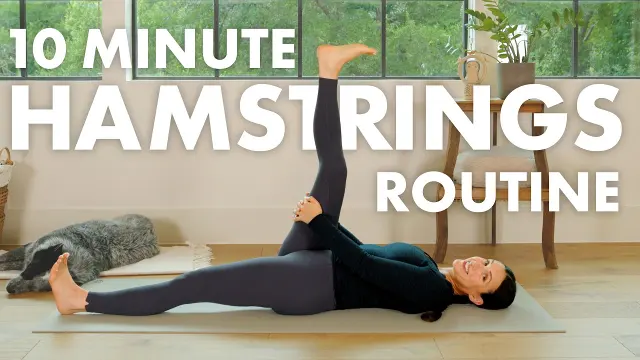
 Yoga Practice for Tight Hamstrings and Lower Back
#Lower Back
2 ideas
Yoga Practice for Tight Hamstrings and Lower Back
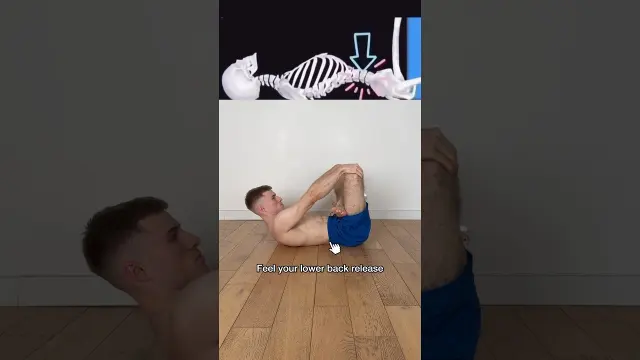 Lower Back Mobility and Flexibility Stretch Routine
Get new #Lower Back ideas by email
Every Thursday: the week's best ideas, with the newest from #Lower Back.
Related tags
Lower Back Basics: Movement, Care and Daily Habits
The lower back, often called the lumbar region, is the part of your spine between the ribcage and the pelvis. It carries a lot of the load of standing, sitting, bending and lifting, and it is built for both stability and movement. A stack of small bones called vertebrae, cushioned by discs, forms the spine itself, while layers of muscle, connective tissue and the deep abdominal and hip muscles work together to hold everything steady. Because so many structures meet in this one area, it is one of the most common places people feel stiffness or discomfort.
Why it gets tight
Most everyday lower back tension does not come from a single dramatic moment. It builds quietly from long hours in one position, from sitting with the pelvis tucked and the spine rounded, from lifting with the back instead of the legs, and from hip and hamstring muscles that have lost range because they are rarely stretched. Stress plays a part too: when you are tense, you often hold that tension in the lower back without noticing.
Stretching and mobility
Read more
Gentle movement is usually the most helpful thing you can offer a stiff lower back. A few simple approaches cover most of what beginners need:
- Knee-to-chest and gentle spinal rotations to ease the area into motion.
- Hip flexor and hamstring stretches, since tightness there pulls on the pelvis and changes how the lower back moves.
- Cat-cow style spinal flexion and extension, done slowly and with the breath.
- A soft, supported lie-down with the knees bent, to let the muscles release.
Move into each stretch until you feel a mild pull, never a sharp or shooting sensation. Breathe out as you settle in, avoid bouncing, and hold for a comfortable period rather than pushing for maximum range. Consistency matters far more than intensity: a short routine done regularly does more than an occasional long session.
Building support
Stretching feels good, but the lower back also benefits from strength. Movements that gently work the deep abdominal muscles, the glutes and the back extensors help the area tolerate daily demands. Simple bridges, bird-dog patterns and slow, controlled hip hinges are approachable starting points. Pair this with small habits: stand up and move briefly every so often, adjust your chair so your feet rest flat, and when you lift something, bend your knees and keep the load close to your body.
When to be careful
Discomfort that fades as you move is usually a sign to keep moving gently. Sharp pain, pain that travels down a leg, numbness, or symptoms that persist or worsen are reasons to stop and speak to a qualified health professional rather than work through it. Nothing here replaces individual advice from someone who can assess you.
Treat your lower back as something to keep mobile and strong rather than something fragile to protect. Small, regular, unhurried attention tends to serve it best.
#Lower Back: frequently asked questions
How do I start working on a tight lower back?
Begin with gentle movement rather than a big routine: a supported lie-down with the knees bent, a knee-to-chest hug, or slow cat-cow patterns are enough to introduce motion. Move only until you feel a mild pull, breathe out as you settle in, and stop short of anything sharp or shooting. A short routine you actually repeat will do more for you than an occasional long session.
What do I need for lower back stretches at home?
Very little equipment is required — a mat or a rug for comfort, a wall or chair for balance, and something soft to lie on with the knees supported. Many useful stretches, like hip flexor and hamstring work, use only your own body weight. Comfortable clothing you can move in matters more than any prop.
Which kinds of movement suit a stiff lower back?
Two families tend to help: gentle spinal movements such as knee-to-chest, rotations and cat-cow, and stretches for the hips and hamstrings, since tightness there changes how the pelvis and lower back move. Supporting that with light strengthening — bridges, bird-dog patterns, slow hip hinges — helps the area cope with daily bending and lifting. Choose the version you can do slowly and without strain, and build from there.
What are the common mistakes when stretching the lower back?
The usual ones are pushing into sharp pain, bouncing at the end of a stretch, and holding the breath instead of breathing out as you settle. Another is stretching hard once and then ignoring the area for a long stretch of time, when small regular attention works better. Rushing into maximum range before the muscles have warmed up is also worth avoiding.
How can I look after my lower back during an ordinary day?
Break up long stretches of sitting by standing and moving briefly now and then, and set your chair so your feet rest flat on the floor. When you lift something, bend your knees and keep the load close to your body instead of folding from the waist. Noticing where you hold tension when you are stressed is part of it too.
When should I stop stretching and get help instead?
Discomfort that eases as you move gently is usually a sign to keep moving, but sharp pain, pain travelling down a leg, numbness, or symptoms that persist or get worse are a reason to stop. In that case, speak to a qualified health professional who can assess you properly rather than working through it. General stretching routines are not a substitute for advice tailored to you.
Videos come from YouTube and posts from Instagram; titles and summaries are our own. All rights belong to their creators.