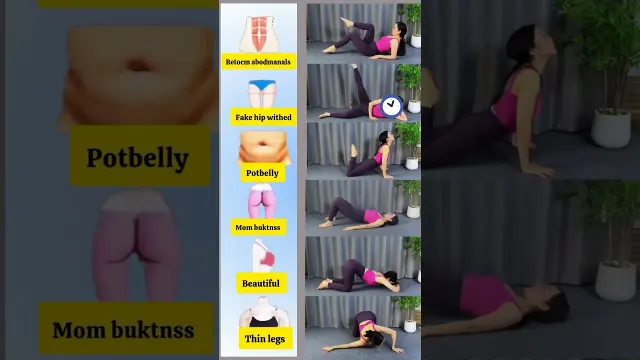
 10-Minute Beginner Home Workout for Abs, Hips and Legs
#Lower Body Workout
13 ideas
10-Minute Beginner Home Workout for Abs, Hips and Legs
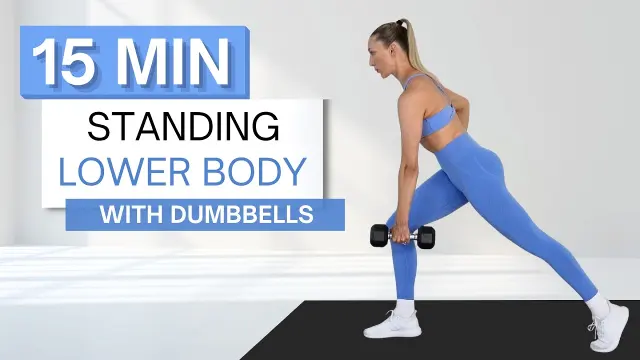 15 Minute Standing Lower Body Workout with Dumbbells
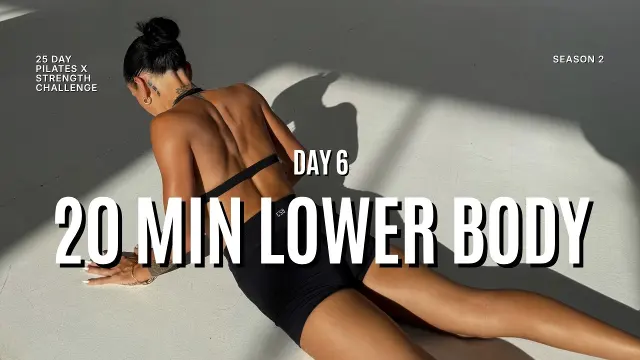 20 Minute Lower Body Strength and Pilates Workout
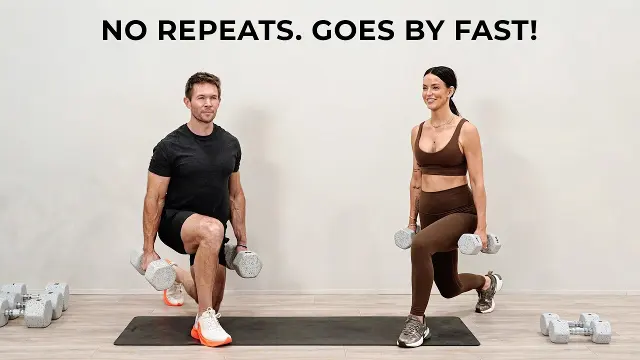 40 Minute Dumbbell Strength Workout for Lower Body
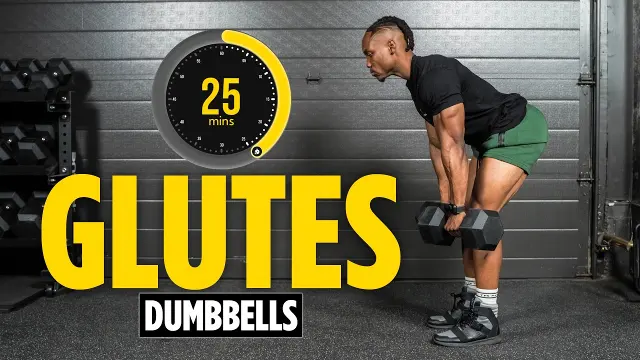 25-Minute Intense Dumbbell Legs and Glutes Workout
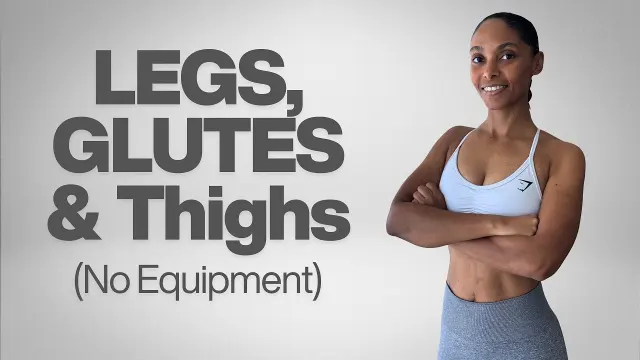 20 Minute Bodyweight Lower Body Toning and Shaping Workout
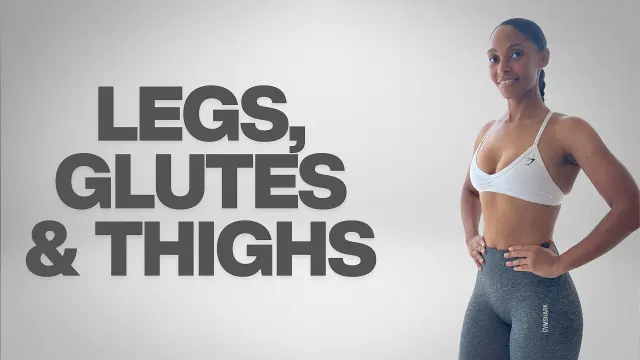 20 Minute Dumbbell Hips, Legs and Glutes Workout
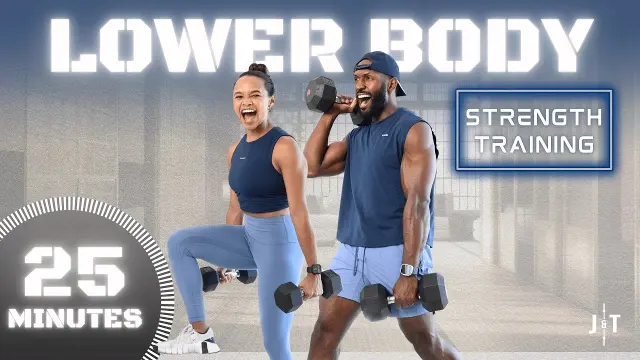 25 Minute Lower Body Strength Training Workout
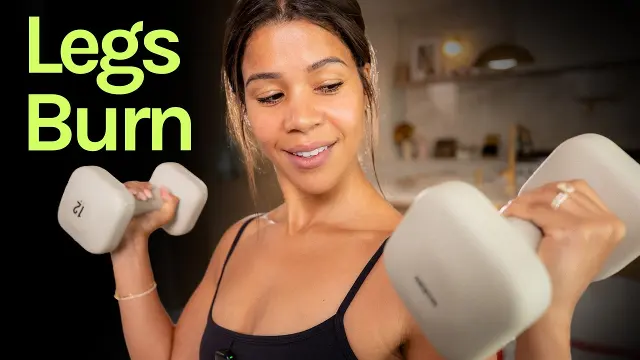 20 Minute Lower Body Burn Session with Weights
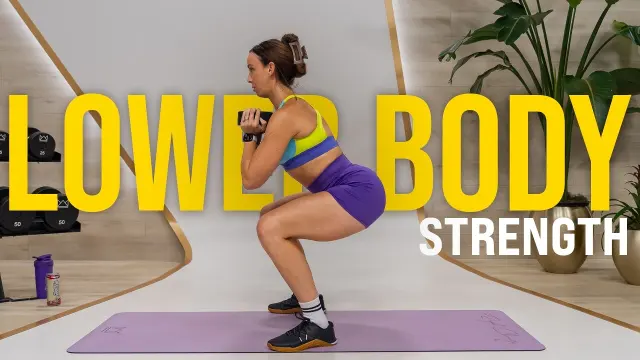 30 Minute At-Home Lower Body Strength Leg Day Routine
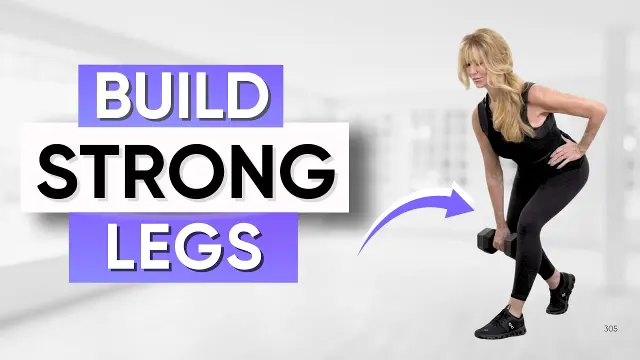 10-Min Lower Body Strength Workout for Leg Strength After 50
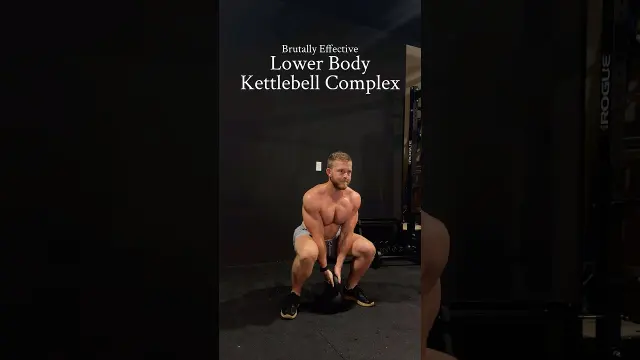 Brutally Effective Lower Body Kettlebell Complex Routine
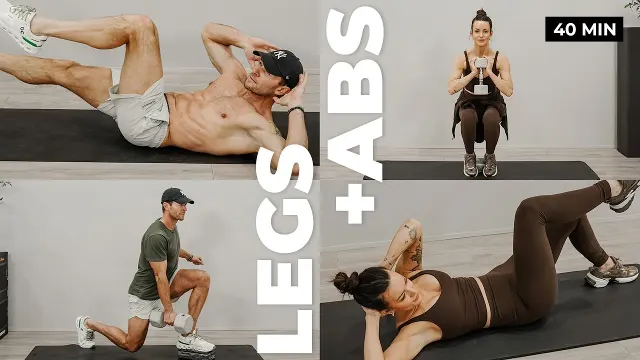 40 Min Legs and Abs Workout with Dumbbells at Home
Get new #Lower Body Workout ideas by email
Every Thursday: the week's best ideas, with the newest from #Lower Body Workout.
Related tags
Lower Body Workout Guide: Build Strength from the Ground Up
The lower body carries you through the day, and training it well pays off in everyday movement as much as in strength. It covers the muscles of the hips, thighs and lower legs: the glutes, the quadriceps at the front of the thigh, the hamstrings at the back, the adductors on the inner thigh, the calves, and the deep muscles that stabilise the hips and spine. These muscles work together in walking, climbing stairs, lifting and carrying, so a lower body session is really a lesson in coordinated movement, not just isolated exercises.
The main kinds of movement
Most lower body training is built from a handful of patterns, and learning them is more useful than memorising dozens of exercises.
- Squat patterns: bending the knees and hips to lower the body, then standing back up. Variations include bodyweight squats, goblet squats and split squats.
- Hinge patterns: pushing the hips back with a fairly straight spine, as in a deadlift or hip bridge. These target the glutes and hamstrings.
- Lunge patterns: moving forward, backward or sideways onto one leg, which trains balance as well as strength.
- Isolation work: smaller movements such as leg extensions, hamstring curls or calf raises that focus on one muscle group.
- Glute work: bridges, hip thrusts and side-lying movements that many people find helpful for hip stability.
Read more
Styles of lower body workout
Strength training uses added resistance, such as dumbbells, kettlebells, resistance bands or gym machines, with low repetitions and longer rests. High-repetition or circuit-style sessions use lighter loads and shorter rests, and feel more aerobic. Pilates and barre-inspired workouts emphasise control, small ranges of motion and core engagement. Standing routines with light weights suit small spaces, while mat-based sessions are gentler on the joints. All of them can be effective; the best choice is the one you will repeat.
What beginners should know
Start with bodyweight versions of the basic patterns and learn the shape of each movement before adding load. Keep the knees tracking roughly over the toes, let the chest stay lifted, and breathe steadily rather than holding your breath. A short warm-up with gentle marching, hip circles and a few bodyweight squats prepares the joints, and a few minutes of easy stretching afterwards feels good and helps you wind down.
Progress gradually: add a repetition or a little weight only when the last few reps of a set still feel controlled. Two or three sessions a week with a rest day between them gives muscles time to recover. Soreness that settles within a couple of days is common; sharp pain during a movement is not, so stop and check your form, or ask a qualified instructor. If you have an injury or a health condition, get advice from a healthcare professional before starting. Consistency over months, not intensity in a single session, is what changes how you move and feel.
#Lower Body Workout: frequently asked questions
How do I start a lower body workout if I've never trained before?
Begin with the bodyweight version of the basic movement patterns: squats, hip hinges, lunges and glute bridges. Learn the shape of each one and keep the knees tracking over the toes and the chest lifted before you think about adding resistance. A short warm-up with marching, hip circles and a few easy squats makes the first session feel much smoother.
What equipment do I need for a lower body workout at home?
Nothing at first — your own bodyweight is enough to learn the patterns and build a routine. When you're ready for more, dumbbells, kettlebells, resistance bands or a sturdy chair for support all work well, and many people train effectively in a small space with just one pair of weights. Pick whatever you'll actually use consistently rather than buying a full setup.
Which style of lower body workout should I choose?
Strength training with added resistance builds force through low repetitions and longer rests, while circuit-style sessions with lighter loads feel more aerobic and keep you moving. Pilates and barre-inspired routines emphasise control, small ranges of motion and core engagement, and standing work with light weights suits tight spaces. The right choice is simply the one you'll repeat often enough to progress.
How do I look after my body after a lower body session?
A few minutes of easy stretching afterwards helps you wind down, and a rest day between sessions gives the muscles time to recover. Soreness that fades within a couple of days is normal, but sharp pain during a movement is not — stop, check your form, and get guidance from a qualified instructor if it keeps happening. Anyone with an injury or health condition should check with a healthcare professional before starting.
What are the most common mistakes in lower body training?
Adding weight or repetitions before the movement feels controlled is the usual one, along with holding the breath instead of breathing steadily through the rep. Letting the knees drift inward and cutting the warm-up short are also frequent. Progress a little at a time, only when the last few reps of a set still feel steady.
Can I get a useful lower body workout in a short session?
Yes — a focused routine built around a squat, a hinge and a lunge pattern covers the main muscles in a short amount of time. Short sessions done regularly tend to serve people better than one long effort now and then, especially when you're starting out. Even a brief standing routine with light weights can fit into a busy day.
Videos come from YouTube and posts from Instagram; titles and summaries are our own. All rights belong to their creators.