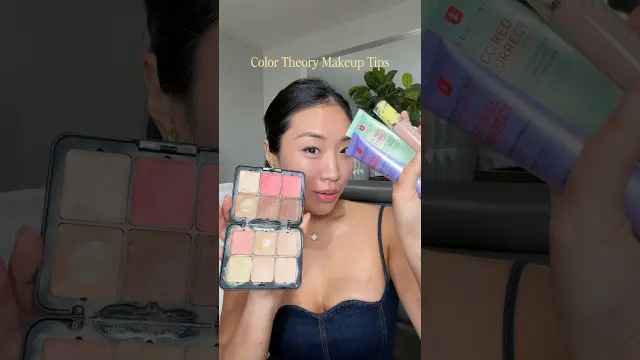
 Makeup color theory hacks for blush, corrector, and foundation
#Makeup Hacks
2 ideas
Makeup color theory hacks for blush, corrector, and foundation
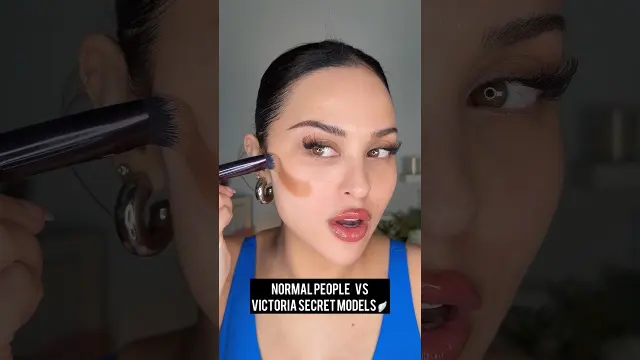 Everyday Contour Versus Victoria's Secret Model Contour
Get new #Makeup Hacks ideas by email
Every Thursday: the week's best ideas, with the newest from #Makeup Hacks.
Related tags
Makeup Hacks: Small Tricks That Really Work
A makeup hack is rarely a secret product or a costly tool. More often it is a small adjustment — the order you do things in, the way you hold a brush, the moment you decide to stop adding product. The word gets used loosely, but the hacks that survive are the ones that solve a real problem and keep working long after the video that introduced them is forgotten. What follows is the quieter side of the subject: technique, timing and a little patience.
Good makeup starts before the makeup
Most complaints about foundation — patchiness, fading, settling into lines — begin with skin that has not been prepared. Cleanse gently, moisturise, and give the moisturiser a few minutes to absorb before you go in with anything else. If you use a primer, apply it thinly and let it set rather than layering it on.
Work in thin layers. It is far easier to add a second sheer layer than to rescue a face that has been covered too heavily in one pass. Buff rather than paint, and check your work in daylight at a window if you can; indoor lighting flatters almost everything.
Read more
Techniques worth learning properly
- Warm liquid products on the back of your hand before applying. The warmth helps them spread evenly.
- Place concealer where the colour needs correcting — under the eye, around the nose, at the corners of the mouth — instead of sweeping it in a large triangle.
- Set only where you actually need it. Powder everywhere flattens the face and can make texture more visible.
- Cream formulas go under powder ones, not over. Reversing the order is what causes that muddy, sliding look.
- For fuller lashes, wiggle the wand at the root and let each coat dry slightly before the next.
- Hold a card or a tissue against the lash line to catch stray powder and keep eyeshadow edges clean.
- Line the lips before colour, then blend the pencil inward so the edge softens instead of drawing a hard outline.
- Apply blush a little higher and further back than feels natural at first; colour in the centre of the cheek can make the face look rounder than it is.
Tools and light
Clean brushes make the biggest difference for the least effort. Wash them regularly with mild soap, dry them flat, and replace sponges when they stop springing back. Fingers are legitimate tools — the warmth helps creams melt into skin. A magnifying mirror is useful for detail work, but step back to a normal mirror before deciding you are finished; distance is where the balance of a face is judged.
What beginners should know
Learn your undertone and your skin's behaviour before chasing any particular look. Practise one new techniqu…rebuilding your whole routine at once, and give a product a fair trial in normal conditions — a full day, real light, real weather.
Keep removers stocked and take makeup off properly at night. Test anything new on a small area first, especially around the eyes, and stop using a product that irritates your skin rather than trying to work around it.
Finally, accept that not every hack suits every face. Borrow the idea, adjust it to your features, and keep the parts that make your own routine faster and calmer.
#Makeup Hacks: frequently asked questions
How should a beginner start learning makeup hacks?
Start with your skin rather than with products: cleanse gently, moisturise, and let the moisturiser settle before applying anything else, because most complaints about foundation trace back to unprepared skin. Then change one thing at a time instead of rebuilding your whole routine, and give each new technique a fair trial in normal daylight and real weather before deciding whether it works for you. Learning your own undertone and how your skin behaves matters more than copying a particular look.
Do good makeup hacks require special products or expensive tools?
Usually not — most lasting tricks are about order, timing and how you handle a brush rather than about buying something new. Fingers are perfectly legitimate tools, since their warmth helps cream formulas melt into the skin, and cleaning the brushes you already own makes more visible difference than adding to them. Warming a liquid product on the back of your hand before applying it is a good example of a free improvement.
In what order should cream and powder products go?
Cream formulas belong underneath powder ones, never on top, since reversing that order is what creates the muddy, sliding look. Work in thin layers throughout, because adding a second sheer pass is far easier than rescuing a face that was covered too heavily in one go. For the same reason, set only where you genuinely need it — powder applied all over flattens the face and tends to make texture more obvious.
How do I keep my brushes and tools in good condition?
Wash brushes regularly with a mild soap, dry them flat so water does not sit in the ferrule, and retire sponges once they stop springing back. This is the cheapest improvement available to any routine, since clean tools apply product more evenly and are kinder to skin. A magnifying mirror helps with detail work, but step back to a normal mirror before deciding you have finished, because balance is judged from a distance.
How can I take an everyday look further for a special occasion?
Build the everyday version first, then intensify selectively rather than starting from scratch — a bolder contour, a stronger lash or a deeper lip reads as occasion makeup without becoming a different face. Place concealer only where colour actually needs correcting, and apply blush slightly higher and further back than feels natural, which lifts the face instead of rounding it. Line the lips before colour and blend the pencil inward so the edge softens rather than turning into a hard outline.
What are the most common mistakes people make with makeup hacks?
The usual culprits are applying too much product in one pass, powdering everywhere out of habit, and putting powder formulas over cream ones. Another is trusting indoor lighting, which flatters almost everything — check your work in daylight at a window instead. Finally, not every hack suits every face, so borrow the idea, adjust it to your own features, and keep only the parts that make your routine faster and calmer.
Videos come from YouTube and posts from Instagram; titles and summaries are our own. All rights belong to their creators.