 Tyla Discusses Her Signature Beauty Routine
#Makeup
50 ideas
Tyla Discusses Her Signature Beauty Routine
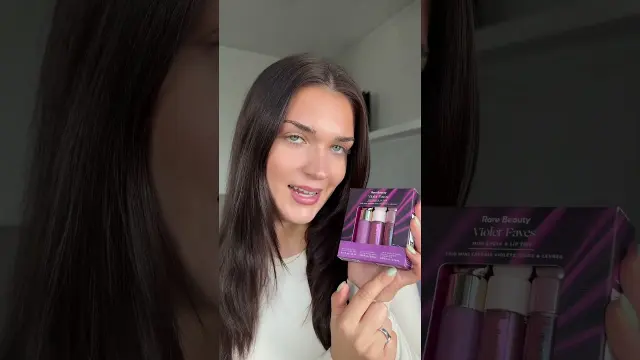 Rare Beauty Blush Combination Tutorial
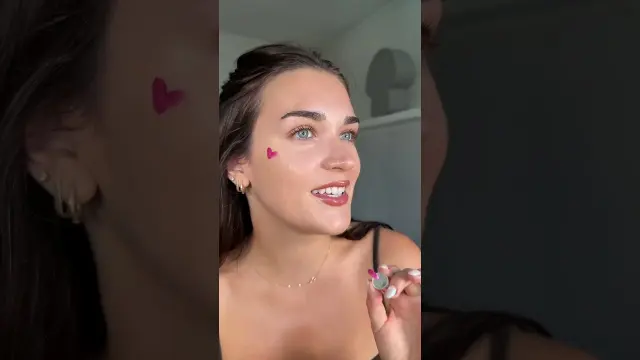 New Rare Beauty Blush Shades Review
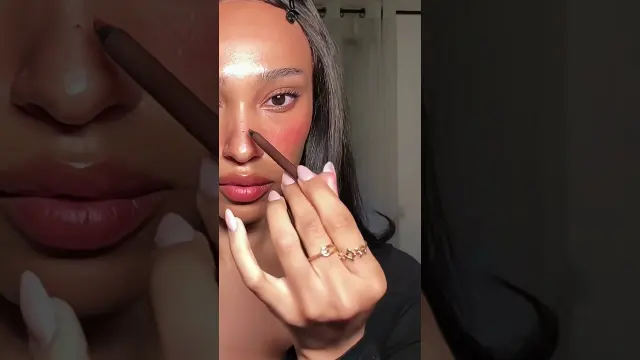 Daily Dose of Makeup and Skincare Inspiration
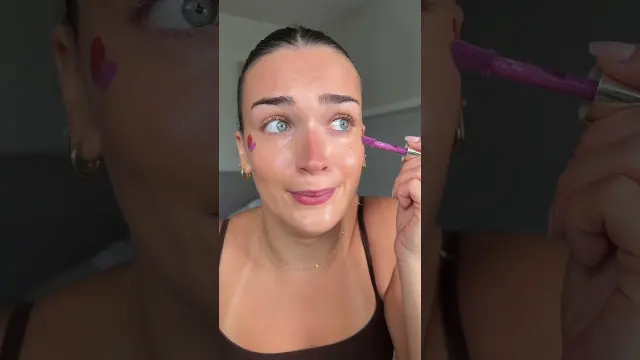 Random Rare Beauty Makeup Combination
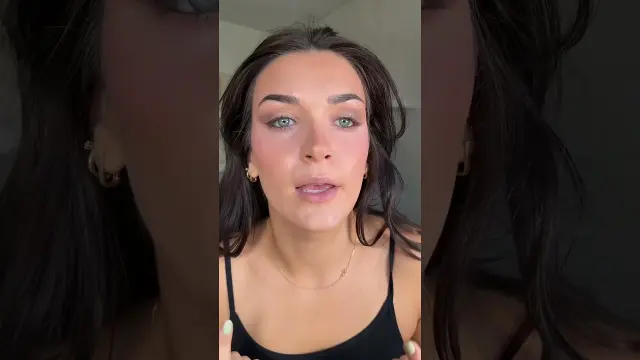 Get Ready With Me Makeup Routine
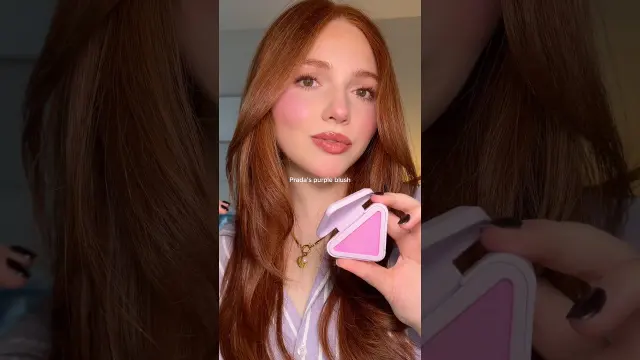 Purple Blush Makeup Look
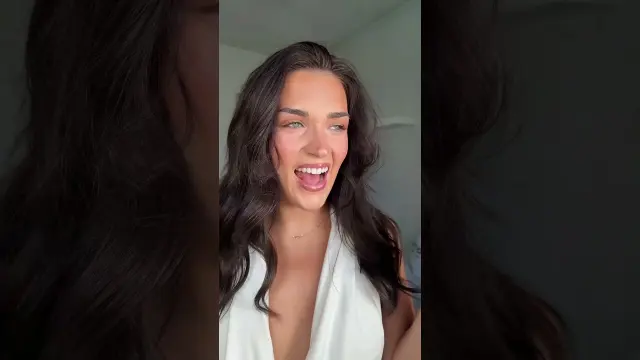 Makeup Routine for Olivia Day
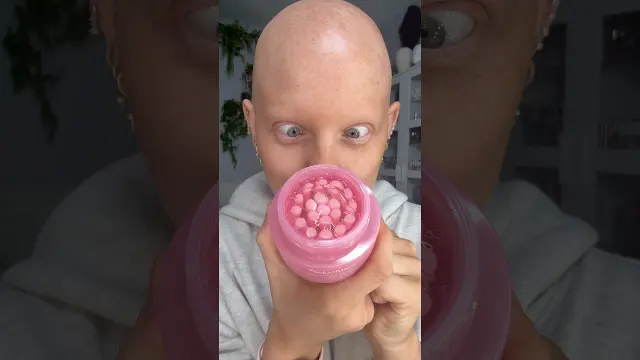 Natural No Makeup Routine Focused on Skincare
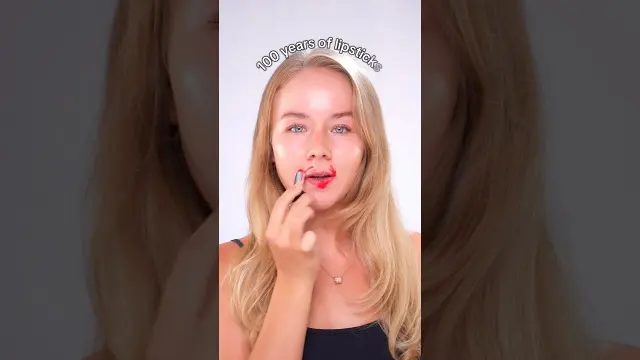 One Hundred Years of Lipstick Trends
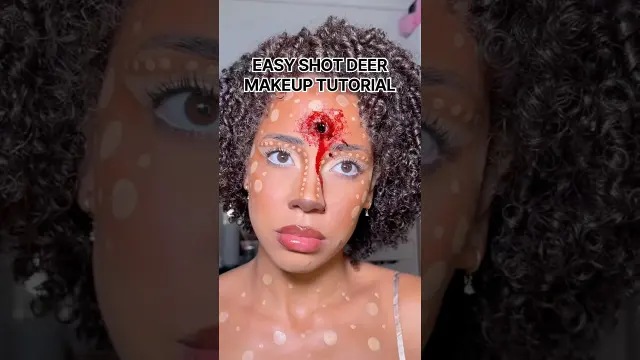 Easy Deer Makeup Tutorial for Halloween
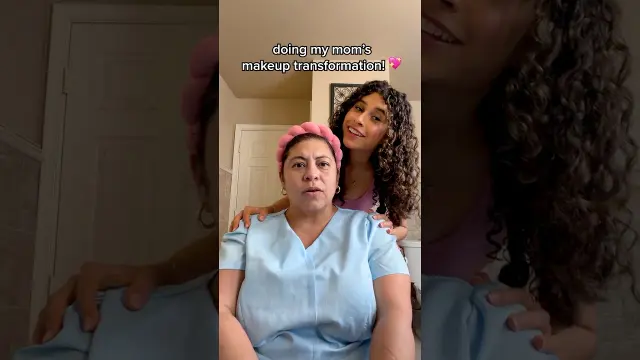 Complete Makeup Transformation on Mother
 Swapping Makeup Routines with a Friend
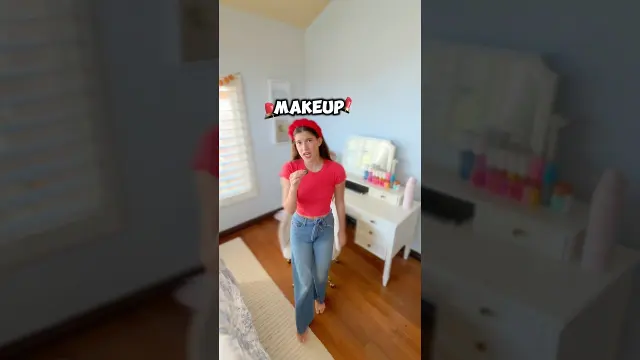 Tour of a Seventeen Year Old's Makeup Collection
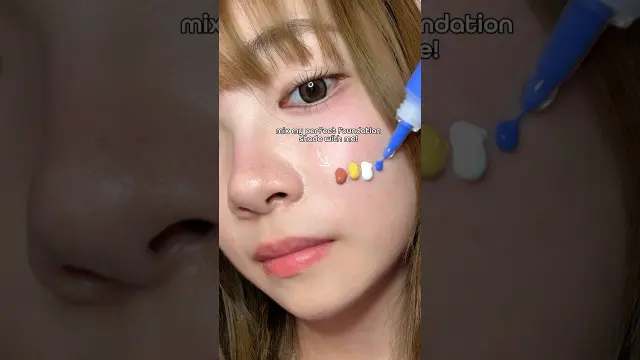 DIY Personalized Foundation Shade Mixing
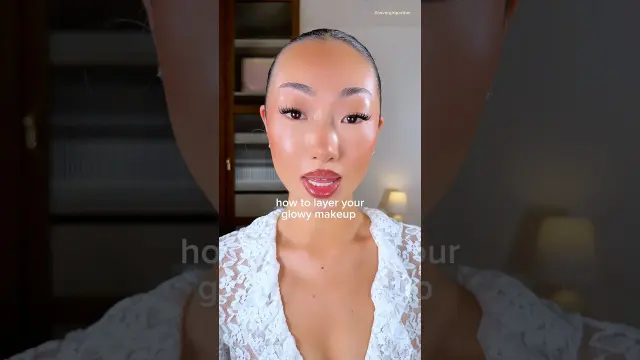 How to Layer Your Makeup for a Glowy Finish
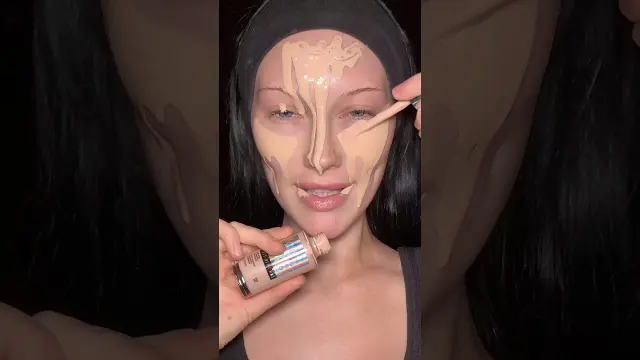 Full Face Using Only Affordable Drugstore Makeup
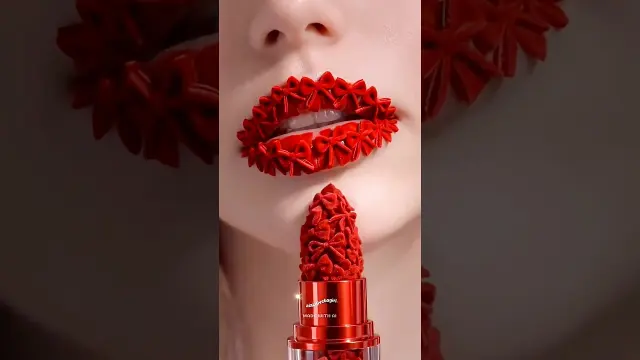 Testing a 3D Stereoscopic Lip Plumper
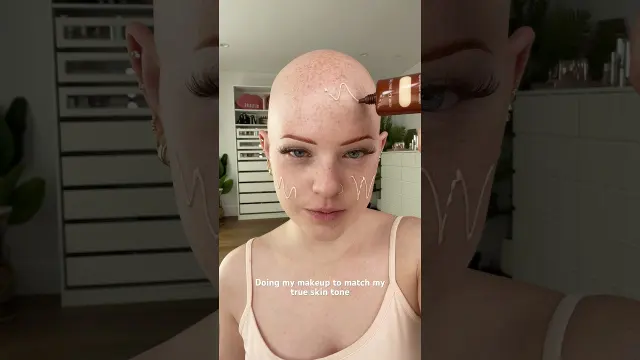 Matching Foundation to Pale Skin Tones
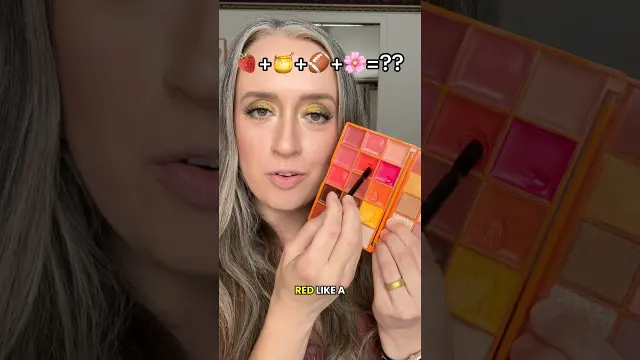 Mixing Lipstick Colors to Create Custom Shades
Get new #Makeup ideas by email
Every Thursday: the week's best ideas, with the newest from #Makeup.
Related tags
Makeup: Styles, Basics and Everyday Use
Makeup is the art of using cosmetic products to enhance, define or change the appearance of the face. People have used it for centuries in many forms, from subtle everyday routines to ceremonial, theatrical and artistic looks. Today, makeup can be used to even out skin tone, highlight features, add color or create a completely different effect.
What makeup includes
Most makeup routines are built from a few familiar categories:
- Base products such as primer, foundation, tinted moisturizer or concealer, used to smooth the complexion and cover uneven areas
- Color products such as blush, bronzer and highlighter, used to add warmth, shape and radiance
- Eye makeup such as mascara, eyeliner and eyeshadow, used to define the eyes and create depth
- Lip products such as lipstick, lip gloss, lip stain and lip liner, used to add color or shape
Read more
Some people use only one or two of these steps, while others enjoy a full face. There is no single correct way to wear makeup.
Common styles and approaches
Makeup styles vary widely. A natural look usually aims to keep the skin close to its real appearance while softly enhancing the features. A more polished look may use fuller coverage, stronger brows, liner and a defined lip. Creative makeup can include bold colors, graphic shapes, shimmer or theatrical effects.
The best style for you depends on your face, your skin type, your comfort level and the occasion. Makeup can be minimal, expressive or somewhere in between.
Basic techniques to know
If you are new to makeup, start with the simplest ideas:
- Build in thin layers instead of applying a lot at once
- Blend well so edges look soft and natural
- Match the undertone and depth of base products to your skin as closely as possible
- Use clean brushes, sponges or fingertips for smoother application
- Remove makeup gently at the end of the day
You do not need a large collection to begin. A few versatile products are often enough to learn what you like.
Tips for beginners
Start with one goal at a time. You might first learn how to even out your skin, then how to define your brows, and later how to use eye or lip color. Practice in natural light if you can, because it helps you see the true finish and shade.
It also helps to think about your skin type. Some formulas suit dry skin better, while others feel more comfortable on oily or sensitive skin. If a product does not look right, it may be the formula, the shade or simply the way it is applied.
Makeup should feel flexible, not difficult. You can wear it to look like yourself, to experiment, or simply for the pleasure of the process.
Videos come from YouTube and posts from Instagram; titles and summaries are our own. All rights belong to their creators.