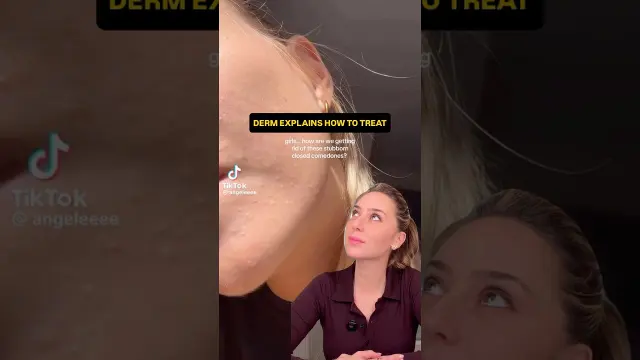
 A Dermatologist's Approach to Malassezia Folliculitis
#Malassezia Folliculitis
3 ideas
A Dermatologist's Approach to Malassezia Folliculitis
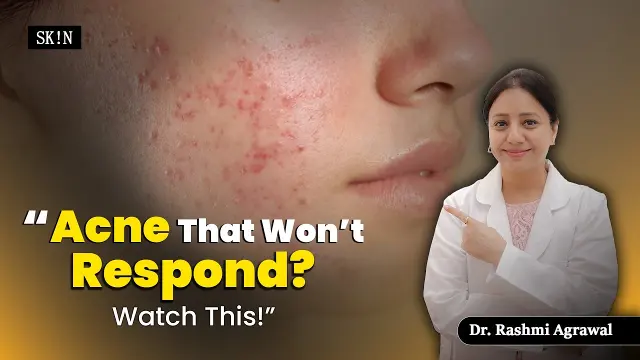 Fungal Acne: Causes, Signs and Treatment Options
 Telling Malassezia Folliculitis Apart from Ordinary Acne
Get new #Malassezia Folliculitis ideas by email
Every Thursday: the week's best ideas, with the newest from #Malassezia Folliculitis.
Related tags
Malassezia Folliculitis: Understanding Fungal Breakouts
A small, itchy bump on the chest that never quite behaves like a pimple is a common experience, and for many people the explanation turns out to be something other than ordinary acne. Malassezia folliculitis is an inflammation of the hair follicles caused by an overgrowth of Malassezia, a genus of yeast that naturally lives on human skin. The name says it plainly: Malassezia for the yeast, folliculitis for inflammation of the follicle. It is sometimes called pityrosporum folliculitis, an older name for the same condition.
What it looks like
The bumps tend to be small, fairly uniform in size, and clustered rather than scattered. They often itch, which is one of the clearest differences from typical acne, and they appear most often on the chest, upper back, shoulders and sometimes the upper arms. The face can be affected too, particularly along the jawline and forehead. Because the bumps sit in the follicles, they may look like small papules or pustules without the blackheads and whiteheads that usually accompany acne.
Why it happens
Read more
Everyone carries Malassezia on their skin; it feeds on lipids and is normally harmless. Problems arise when conditions let it multiply. Warmth, humidity, sweating and occlusion are the classic combination, which is why the condition often shows up in summer weather or among people who train hard, wear tight clothing, or spend long days in a helmet or synthetic fabrics. Oily skin is another factor. Some people notice it after a course of antibiotics, which can disturb the skin's usual balance of microorganisms. None of this is a matter of poor hygiene.
Telling it apart from acne
This is where many people go wrong for a long time. Ordinary acne responds to the usual routines of cleansing and exfoliation, while a yeast-driven rash often gets worse with heavy, occlusive products, rich oils and harsh scrubbing. If your bumps itch, sit mainly on the trunk, are very even in size, and stubbornly resist acne treatment, that pattern is worth mentioning to a doctor.
Practical care
Keep the routine simple and light. Wash gently once or twice a day with a mild cleanser, rinse well, and avoid layering thick creams or oils on the affected areas. Shower reasonably soon after sweating, and change out of damp workout clothes rather than sitting in them. Choose loose, breathable fabrics, especially in hot weather, and use a sunscreen that suits your skin rather than skipping it entirely.
When to see a professional
A proper diagnosis matters here, because the treatments that help acne can aggravate this rash. A doctor or dermatologist can confirm what you are dealing with and discuss appropriate options, which may include antifungal preparations. Give any treatment time to work, avoid picking at the bumps to reduce the risk of marks, and be patient. Skin that is prone to this pattern often needs steady, unfussy care rather than a shelf full of products.
#Malassezia Folliculitis: frequently asked questions
How do I start figuring out whether my bumps are malassezia folliculitis?
Begin by noticing the pattern rather than reaching for a new product: where the bumps appear, whether they itch, and whether they are all roughly the same size and clustered together. Bumps that sit mainly on the chest, back and shoulders and that itch are the pattern the page points to as worth describing to a doctor. Getting a professional opinion early saves a lot of trial and error, since the usual acne routines can work against this rash.
How is malassezia folliculitis different from ordinary acne?
Ordinary acne usually comes with blackheads and whiteheads and responds to standard cleansing and exfoliating routines, while these bumps tend to be small, very even in size and free of those clogged-pore features. The itch is often the clearest giveaway, along with a stubborn refusal to improve with acne products. If that describes your skin, it is worth raising with a doctor instead of escalating your routine.
Which products and routine suit skin that is prone to this?
Simple and light is the guiding principle — a mild cleanser, a thorough rinse, and no thick creams or rich oils layered over the affected areas. Breathable, loose clothing and a sunscreen formulated for your skin type matter more than a long list of steps. The page is explicit that harsh scrubbing and heavy occlusive products tend to make things worse rather than better.
How should I care for my skin day to day, especially after sweating?
Rinse off reasonably soon after you sweat rather than sitting in damp workout clothes, and change out of them as soon as you can. In hot, humid weather, favour loose fabrics that let air through and keep the routine unfussy. None of this is about hygiene being poor — it is about removing the warm, damp, covered conditions the yeast multiplies in.
What are the common mistakes people make with this condition?
The biggest one is treating it as acne for a long time and doubling down on exfoliation, heavy creams and oils when the skin is getting worse. Picking at the bumps is another, since it raises the chance of leaving marks behind. Abandoning a routine too quickly is also common — skin prone to this pattern tends to need steady, patient care.
When should I stop guessing and see a professional?
A proper diagnosis is worth having, because treatments aimed at ordinary acne can aggravate this rash and the two look similar at a glance. A doctor or dermatologist can confirm what you are dealing with and talk through suitable options, which may include antifungal preparations. Mention the itch, the location and the fact that acne products have not helped — that context is exactly what helps.
Videos come from YouTube and posts from Instagram; titles and summaries are our own. All rights belong to their creators.