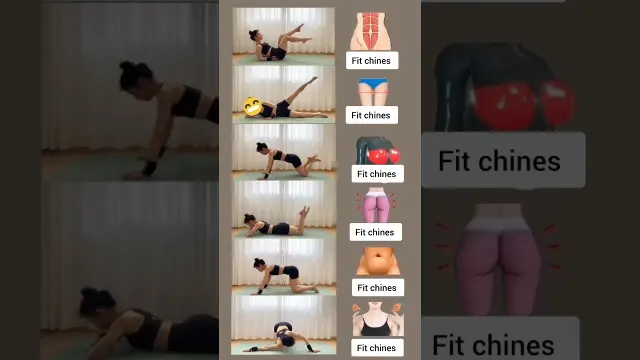
 No-Equipment Mat Workout for Core, Legs and Glutes at Home
#Mat Workout
2 ideas
No-Equipment Mat Workout for Core, Legs and Glutes at Home
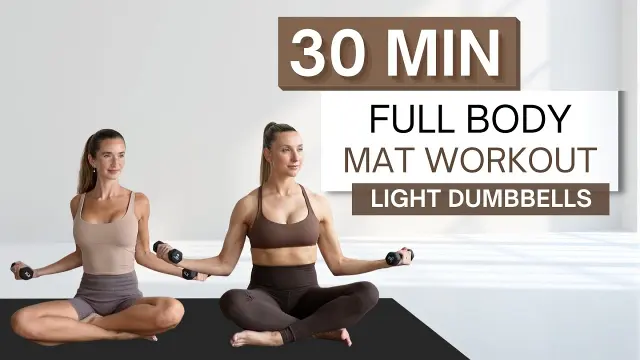 Thirty-Minute Pilates and Barre Mat Workout with Light Dumbbells
Get new #Mat Workout ideas by email
Every Thursday: the week's best ideas, with the newest from #Mat Workout.
Related tags
Mat Workout: A Complete Guide to Floor Training
A mat workout is any training session built around a simple exercise mat and your own body weight. Instead of machines, benches or free weights, you work on the floor: sitting, kneeling, lying on your back, side or front, and moving from one position to the next. The mat does two jobs — it cushions your spine, hips, knees and wrists against a hard floor, and it marks out a small, defined space where the session happens, which makes it easy to practise almost anywhere.
Where it comes from
Floor-based training is older than any single method. Gymnastics, martial arts and traditional physical culture all used the ground as a training surface long before fitness studios existed. In the twentieth century, two schools shaped what most people now recognise as mat work: yoga, with its emphasis on breathing, alignment and held postures, and Pilates, which organised floor exercise into a precise sequence of controlled movements centred on the trunk. Contemporary group classes and home routines draw on both, plus elements of dance conditioning and physiotherapy-style strengthening.
The main kinds
Read more
Styles differ in pace, purpose and feel. Yoga flows link postures with the breath and often include standing work as well as floor work. Pilates-style sessions focus on deep abdominal control, spinal articulation and small, exact movements. Core and stability training targets the abdominals, lower back, hips and glutes with holds, lifts and slow rotations. Mobility and stretching routines use the mat for gentle range-of-motion work. Many popular sessions mix several of these, and that is perfectly fine — a mat workout does not belong to one tradition.
What you actually need
Less than you might think. A mat with enough grip that it does not slide, and enough thickness to protect your knees and spine without making balance wobbly. Comfortable clothing you can move and breathe in. Bare feet or grip socks for stability. A little floor space clear of furniture. A folded towel can serve as padding for knees, and a wall is useful for balance in standing poses.
Starting out
Beginners should keep sessions short and repeat them often rather than attempting long, ambitious routines. Learn a handful of basic positions properly — the plank, the bridge, the bird dog, the seated twist, the cat-cow — before adding speed or complexity. Move slowly enough to notice whether your lower back is arching or your shoulders are creeping up. Breathe steadily; holding your breath is the most common beginner mistake. Stop any movement that produces sharp pain, and if you have an injury, are pregnant or have a health condition, ask a qualified professional what suits you before you begin.
Making it stick
The quiet advantage of mat work is that it needs no commute and no equipment. Ten or fifteen minutes in the morning, a short session before bed, a routine you do while something cooks — all of it counts. Choose a regular time, keep the mat where you can see it, and let consistency matter more than intensity. Progress comes from repeating simple things well.
#Mat Workout: frequently asked questions
How do I start a mat workout if I've never done one?
Begin with short sessions you can repeat often, rather than one long ambitious routine that leaves you sore and discouraged. Learn a few basic positions properly first — a plank, a bridge, a bird dog, a seated twist — and only add pace or extra movements once those feel natural. Moving slowly enough to notice your alignment matters more at this stage than working hard.
What do I actually need for a mat workout at home?
Very little: a mat, comfortable clothing you can move and breathe in, and a patch of floor clear of furniture. Bare feet or grip socks help you stay stable, and a folded towel works fine as extra padding under knees or hips. A wall nearby is handy when you need something to steady yourself in standing positions.
How do I choose the right mat?
Look for two things at once: a surface that grips the floor instead of sliding under you, and enough cushioning to protect knees and spine without making you feel unstable. A softer mat feels kind on bony points but can make balancing poses wobbly, while a very thin one is stable but unforgiving. Thicker is not automatically better — pick what suits the work you plan to do.
How should I look after my mat?
Wipe it down after sessions, since sweat and body oils build up and make the surface slippery over time. Most mats are fine with a damp cloth and a mild soap, then air-dried fully before you roll them up. Store it rolled rather than folded, and keep it out of direct sun so the material doesn't dry out and crack.
What mistakes do beginners make most often?
Holding the breath is the classic one — steady breathing is what keeps a floor session controlled rather than strained. The other common slip is chasing speed and complicated moves before the basics are solid, which usually shows up as an arched lower back or shoulders creeping toward the ears. If a movement produces sharp pain, stop rather than push through it.
Can I get a useful session in without any equipment?
Yes — body weight is the whole point of working on a mat, so dumbbells and machines are optional extras rather than requirements. A session built on holds, lifts and slow rotations for the core, hips and legs covers a lot of ground with nothing but floor space. Small props like a light weight or a towel can add variety later, once the routine feels easy.
Videos come from YouTube and posts from Instagram; titles and summaries are our own. All rights belong to their creators.