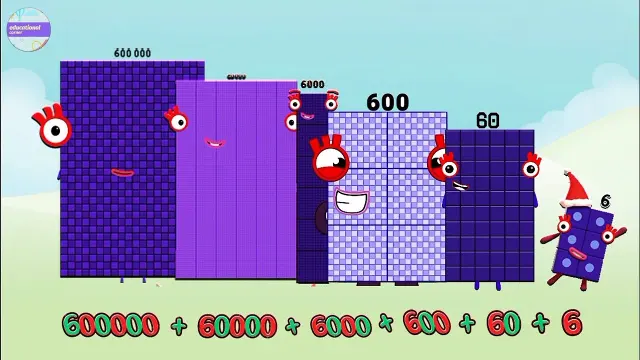
 Numberblocks Addition of Big to Small Numbers
#Maths for Kids
28 ideas
Numberblocks Addition of Big to Small Numbers
 Numberblocks Learn Division Part 10 for Kids
 Fabulous First Grade Math and Counting with Numberblocks
 Sea Animals Counting Up to Twenty Kids Song
Get new #Maths for Kids ideas by email
Every Thursday: the week's best ideas, with the newest from #Maths for Kids.
Related tags
Maths for Kids: A Simple Guide to Numbers
What maths for kids means
Maths for kids is the early learning of numbers, shapes, patterns, measuring, and simple problem-solving. It usually starts with counting and comparing, then grows into adding, subtracting, recognising shapes, telling time, and understanding money. For young children, maths is less about getting the “right answer” quickly and more about learning how numbers work.
Children meet maths in everyday life long before they see it in a classroom. They count toys, share snacks, notice which pile is bigger, and talk about what comes next. These small moments help build number sense, which is the foundation for later maths learning.
What children usually learn first
Read more
At the beginning, maths is often very practical and hands-on. Children may learn to:
- count forwards and backwards
- recognise numerals
- match numbers to objects
- compare quantities, such as more, less, or the same
- sort items by colour, size, or shape
- spot simple patterns
- understand basic addition and subtraction
As children grow more confident, they can move on to multiplying, dividing, reading graphs, measuring length and weight, and solving short word problems.
Common ways to teach maths
There is no single best way to learn maths. Most children benefit from a mix of methods. Some common approaches include:
- using real objects like blocks, buttons, or fruit
- drawing pictures or number lines
- saying sums out loud
- playing counting and matching games
- using songs, rhymes, and stories
- practising with short, regular activities
Concrete, visual, and spoken methods all help. A child may understand a sum better if they can see it, touch it, and talk about it.
What beginners should know
If your child is just starting, keep things simple. It helps to work with small numbers first and only add new ideas when the old ones make sense. Many children need time to understand that a number stands for a group of things, not just a symbol on a page.
A few useful ideas are:
- start with counting real objects
- use everyday examples, like sharing biscuits or sorting socks
- repeat the same skill in different ways
- praise effort, not just speed
- let mistakes be part of learning
Confidence matters a lot in maths. A child who feels relaxed is usually more willing to try.
Helpful habits for families
Short, regular practice works better than long sessions. You can build maths into daily life by asking simple questions such as how many spoons are needed, which box is heavier, or how many steps it takes to reach the door. Games, puzzles, and picture books can also make maths feel friendly.
Most of all, try to keep it playful and calm. When children see maths as something useful and manageable, they are more likely to enjoy it and keep learning.
Videos come from YouTube and posts from Instagram; titles and summaries are our own. All rights belong to their creators.