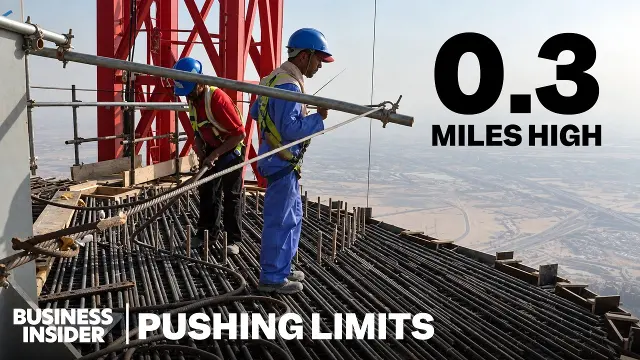
 The Engineering Behind Mile-High Skyscrapers
#Megastructures
3 ideas
The Engineering Behind Mile-High Skyscrapers
 The Story of China Unfinished Giant Skyscraper
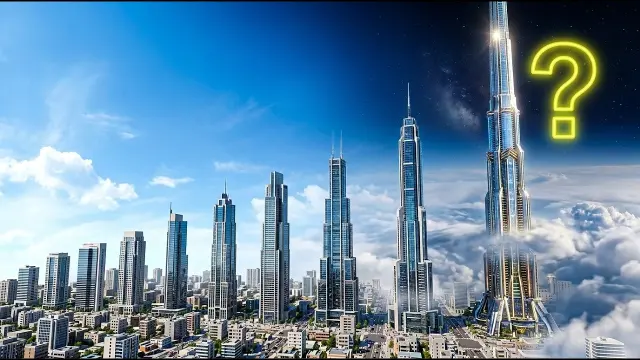 The Physics and Limits of Building Very Tall Skyscrapers
Get new #Megastructures ideas by email
Every Thursday: the week's best ideas, with the newest from #Megastructures.
Related tags
Megastructures: How Monumental Structures Are Built
What megastructures are
Megastructures are very large, ambitious built works that shape landscapes and city skylines. They can be skyscrapers, bridges, dams, stadiums, airports, tunnels, towers, or entire transport and infrastructure systems. What makes them special is not just their size, but the complexity of the planning, engineering, and construction needed to make them stand safely and function well.
People have built monumental structures for a long time, from ancient walls and temples to modern high-rises and bridges. Today, the word often suggests projects that push the limits of materials, height, span, or scale. A megastructure usually brings together many different disciplines: architecture, structural engineering, geotechnics, materials science, logistics, and project management.
Why they matter
Read more
Megastructures often serve practical needs. They can move large numbers of people, carry heavy loads, store water, provide energy, or make dense urban living possible. At the same time, they often become symbols of a place’s identity or technical ambition. Because they are so large, they influence everything around them: traffic, views, drainage, wind patterns, public space, and even how people experience a city.
Main kinds of megastructures
Some of the most familiar types include:
- Tall buildings, such as skyscrapers and supertall towers
- Long-span bridges and viaducts
- Large dams, harbors, and water-control works
- Airports, rail hubs, and other major transport facilities
- Stadiums, arenas, and exhibition halls
- Complex underground systems such as tunnels and transit networks
Each type has its own challenges. A tall building must resist wind and settle evenly. A bridge must span distance without excessive bending. A dam must hold back immense water pressure. An airport must handle movement, visibility, safety, and constant use.
How they are designed
Megastructures begin with a clear purpose. Designers first ask what the structure must do, what site it will occupy, and what natural forces it must withstand. Then they shape the form around those requirements. In many cases, the most important decisions are hidden inside the structure: foundation depth, load paths, core placement, material choice, and connections between parts.
Common structural ideas include:
- Distributing weight efficiently through frames, cores, arches, cables, or shells
- Anchoring the structure deeply into the ground
- Resisting wind, vibration, water pressure, or seismic forces
- Dividing huge projects into manageable systems and phases
What beginners should know
If you are new to the topic, it helps to think of a megastructure as a balance between ambition and restraint. Bigger is not automatically better. Successful large-scale design depends on simplicity, clarity, and careful coordination. The best projects often look bold from the outside but are highly disciplined underneath.
It is also useful to remember that megastructures are rarely the work of a single person. They depend on teams of specialists, long timelines, permits, supply chains, and precise construction sequencing. Even a beautiful design can fail if it is not practical to build or maintain.
Practical ways to look at them
When you see a megastructure, try to notice:
- What problem it is solving
- How it touches the ground
- How it carries weight
- What materials are visible or implied
- How scale changes the way people move through it
Looking at megastructures this way helps you appreciate both their beauty and their engineering. They are not only big objects; they are carefully organized systems that make very large ideas possible.
#Megastructures: frequently asked questions
How do you start planning a megastructure project?
Start by defining the main purpose of the structure and the site it needs to fit. From there, the form should follow practical needs such as load, ground conditions, wind, water, movement, and long-term use.
What kind of megastructure should I choose for a project idea?
Choose the type that best matches the problem you want to solve. A tall building, bridge, transport hub, dam, stadium, or tunnel each has different strengths, constraints, and visual impact.
What should be considered when designing a very tall skyscraper?
Very tall buildings need careful attention to foundations, wind resistance, vertical load paths, and how the structure settles over time. Simplicity and strong internal organization matter because the hidden engineering is what makes extreme height possible.
How do you care for or maintain a large megastructure?
Regular inspection and maintenance are essential because these structures rely on many connected systems working together. The main focus is usually on joints, supports, drainage, surfaces, safety systems, and any parts exposed to heavy weather or constant use.
What are the most common mistakes when creating megastructure-inspired designs?
A common mistake is making something oversized without solving the practical engineering behind it. Another is focusing only on appearance and ignoring how the structure will be built, maintained, and used over time.
How can megastructures inspire a bold occasion or visual concept?
Megastructures can inspire themes of scale, ambition, and engineered beauty for events, displays, or creative mood boards. Look for dramatic silhouettes, strong structural lines, and ideas that show how a large form can still feel clear and elegant.
Videos come from YouTube and posts from Instagram; titles and summaries are our own. All rights belong to their creators.