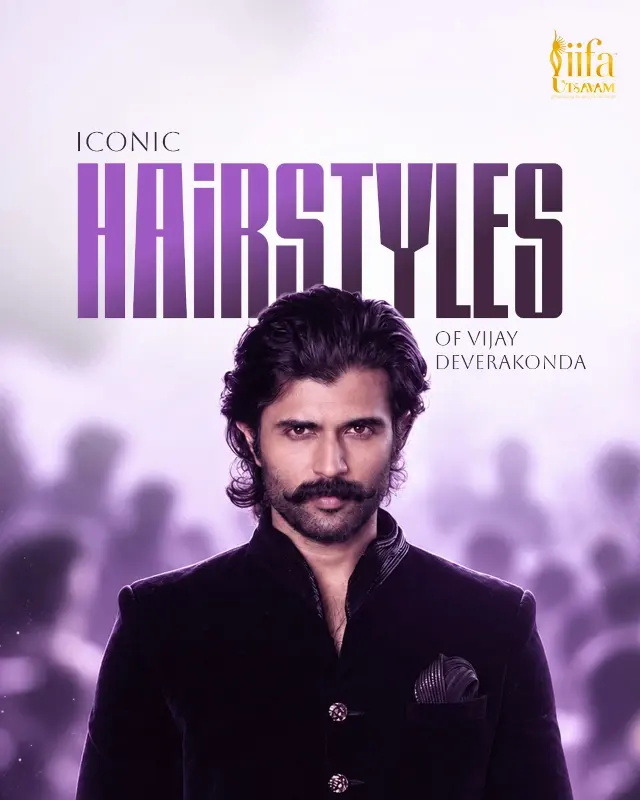
 Vijay Deverakonda's Hairstyle Range From Messy to Polished
#Mens Hairstyles
2 ideas
Vijay Deverakonda's Hairstyle Range From Messy to Polished
 The best men's hairstyles to ask for in 2026
Get new #Mens Hairstyles ideas by email
Every Thursday: the week's best ideas, with the newest from #Mens Hairstyles.
Related tags
Men's Hairstyles: A Guide to Cuts, Shapes and Upkeep
A men's hairstyle is usually the result of two decisions: how much length is kept, and how the hair is shaped at the edges. Almost every cut you can name is a variation on those two ideas. Understanding them makes it much easier to talk to a barber and to know what will actually work on your own head.
What a haircut is really made of
Most modern men's cuts are built from a few basic techniques. Clippers create short, even lengths and the blended transitions known as fades, where hair goes from very short at the neck and sides to longer on top. Scissor work shapes the longer sections, softens weight and creates texture. Tapering shortens the hairline at the neck and around the ears while leaving the rest intact, which is why a tapered cut can look tidy without being short overall. Thinning shears reduce bulk rather than length, useful for thick or coarse hair.
The main families of styles
Read more
Short and structured cuts, such as the crew cut, buzz cut and French crop, keep the sides close and the top short and manageable. Fades and skin fades belong here too, and vary mainly in how high the transition sits. Classic tailoring, including the side part, pompadour and slicked-back looks, relies on length and a clean parting, and usually asks for some daily styling. Textured and layered cuts, from the quiff to shaggy mid-length shapes, work with the hair's natural movement instead of against it. Longer styles, whether shoulder-length or tied back, need regular trims to stay shapely rather than merely long.
Choosing what suits you
Face shape matters less than people think, but it is a useful starting point. Fuller shapes on top add height to a rounder face; softer, swept fringes break up a longer one. Hair type is the more reliable guide. Straight, fine hair holds a close cut well but collapses without volume at the root. Wavy and curly hair benefits from layers and from being cut dry or with its curl pattern respected, since cutting curly hair wet can shorten it unevenly. Coarse or very thick hair often needs thinning to sit flat rather than volume to lift it.
Bring a photograph, but also describe what you want in words: the length on top, the length on the sides, and how you want the neckline finished. A good barber will tell you if the shape you have chosen fights your hair.
Living with the cut
Short cuts usually need refreshing every few weeks to keep their outline; longer shapes can go six to eight weeks between trims. Wash according to your scalp rather than a fixed routine, and use conditioner if your hair is dry, curly or long. A small amount of styling product applied to damp hair, warmed between the palms, is usually enough. Start with less than you think you need, and let the hair dry before adding more.
Finally, learn the shape of your own hairline at the neck and temples. Whatever style you wear, a clean edge is what makes it look deliberate.
#Mens Hairstyles: frequently asked questions
How do I choose a men's hairstyle that will actually work on my hair?
Start with your hair type rather than face shape, since it predicts how a cut will behave day to day. Fine straight hair holds a tight cut but flattens without volume at the root, while wavy and curly hair does better with layers that respect its pattern. Bring a photo, but also describe the length you want on top and sides and how you want the neckline finished.
What should I tell my barber if I don't know the names of the cuts?
You don't need the terminology, because almost every cut comes down to how much length is kept and how the edges are shaped. Say the length you want on top, the length on the sides, and whether you want the neckline tapered or squared off. A good barber will also tell you if the shape you're asking for fights your hair.
What's the difference between a fade and a taper?
A fade is a blended transition from very short at the neck and sides up to longer hair, and fades vary mainly in how high that transition sits. A taper instead shortens just the hairline at the neck and around the ears while leaving the rest of the length intact, so it looks tidy without making you short overall. Both come from the same clipper work, just used differently.
How often should I get a men's haircut?
Short, structured cuts need refreshing every few weeks to keep their outline sharp, since the shape is the whole point of the style. Longer shapes can usually stretch further between trims but shouldn't be left indefinitely, or they lose their shape and simply become long. If you're growing your hair out, ask for shaping trims rather than a full cut.
How do I care for and style my hair without making it look greasy?
Wash according to how your scalp behaves rather than on a fixed schedule, and use conditioner if your hair is dry, curly, or long. Apply a small amount of product to damp hair, warmed between your palms, and start with less than you think you need. Let the hair dry before deciding to add more.
What's the most common mistake men make with a new hairstyle?
Ignoring the neckline and temple edges is the big one, because a clean, deliberate edge is what makes any cut look intentional rather than grown out. The other is choosing a style that works against the hair's natural movement instead of with it. Learning the shape of your own hairline helps you spot when it's drifting and ask for the right fix.
Videos come from YouTube and posts from Instagram; titles and summaries are our own. All rights belong to their creators.