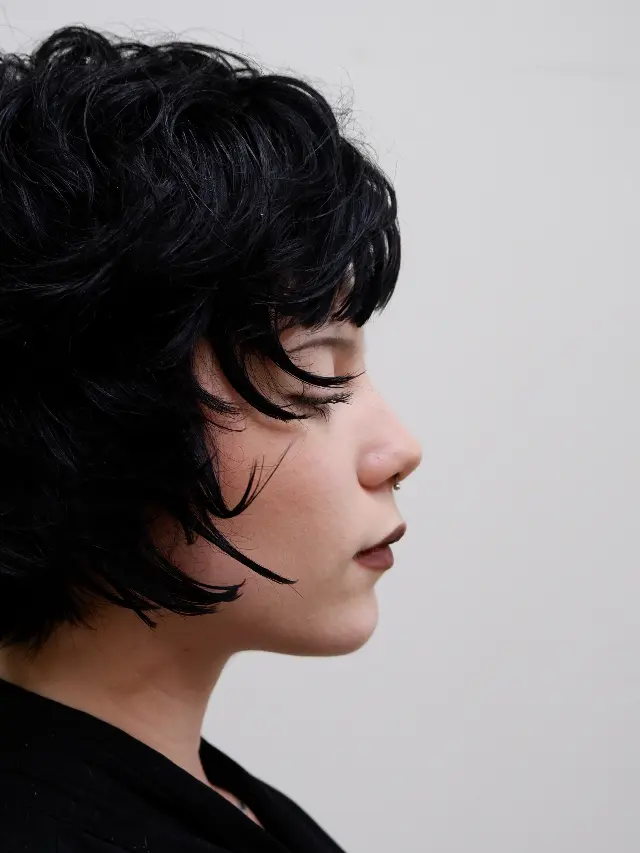
 A Timeless Short Haircut Captured in Belgrade
#Haircut Ideas
3 ideas
A Timeless Short Haircut Captured in Belgrade
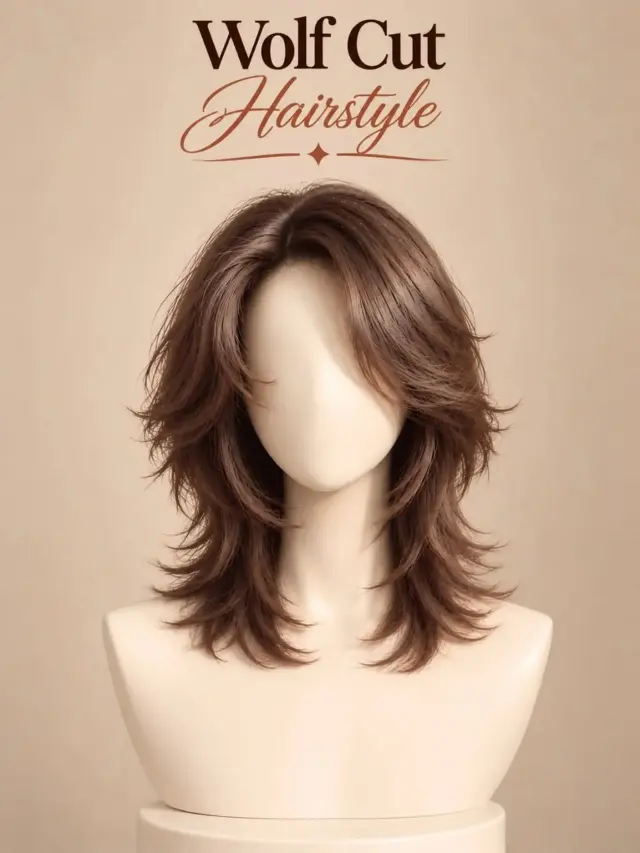 Salon Hairstyle Ideas: From Soft Bangs to Wolf Cuts
 The best men's hairstyles to ask for in 2026
Get new #Haircut Ideas ideas by email
Every Thursday: the week's best ideas, with the newest from #Haircut Ideas.
Related tags
Haircut Ideas: A Guide to Finding a Cut That Suits You
A haircut is one of the simplest ways to change how you look, and one of the hardest to get right. Searching for ideas is really a way of narrowing down an enormous range of possibilities — length, shape, texture, parting, fringe — into something that suits your face, your hair and your daily life. The point of collecting references is not to copy a photograph exactly, but to work out what you actually like and why.
Start with what you already have
The best haircut ideas begin with the hair on your head, not the picture on your phone. Three things matter most:
- Texture and density. Straight, wavy and curly hair behave differently at the same length. Curly hair shrinks as it dries, so a cut that looks shoulder-length wet may sit well above the shoulders once styled.
- Growth pattern and cowlicks. Where your hair naturally falls, and where it refuses to, determines whether a fringe or a strong parting will be easy to maintain.
- How much time you will actually spend. A cut that needs daily styling is only a good idea if you enjoy that routine.
Read more
Face shape, without the rules
Face shape guides are useful as a starting point, but treat them as suggestions rather than laws. The general idea is balance: soft, rounded features often look good with some height or angularity at the top, while a strong jaw can carry a blunt line or a shorter crop. A fringe draws attention to the eyes and softens a high forehead; length around the jaw frames the face; volume at the sides adds width. Almost anyone can wear almost any shape — the question is proportion and confidence, not category.
The main families of cut
Most haircut ideas fall into a few broad families. Blunt cuts use a single, clean line and work well on thick, straight hair. Layered cuts remove weight and add movement, and are the basis of most shapes that need to look fuller. Graduated or stacked cuts build volume where it is needed and take it away where it is not. Shorter cuts — crops, bobs, pixies, crew cuts — rely more on frequent trims to keep their shape. Longer cuts depend on the condition of the ends, so regular light dusting keeps them looking intentional.
Bangs, partings and details
A fringe is the fastest change you can make. Wispy and curtain fringes are forgiving and grow out gracefully; a heavy blunt fringe is more striking but needs more upkeep. A side or centre parting changes the whole silhouette without losing any length. Small details — the shape around the ears, the line at the neck, whether the ends are point-cut or blunt — are what make a simple cut look considered.
Getting what you asked for
Bring two or three images that show the length, the front and the back. Say what you like about each one rather than asking for the whole look. Be honest about your routine. If you are unsure, ask for a cut that grows out well rather than one that only looks right on the day.
Finally, keep a note of what worked. A photograph of a cut you loved, taken a week after it was done, is worth more than any gallery of strangers.
#Haircut Ideas: frequently asked questions
How do I start choosing a haircut idea?
Begin with your own hair rather than a photograph: think about its texture and density, how it naturally falls, and how much time you are willing to spend styling it. Then collect a few references and ask yourself what specifically you like about each one — the length, the fringe, the shape at the sides — instead of wanting the entire look.
What should I bring to the salon to get the cut I want?
Bring a small handful of images that show the length, the front and the back, and explain in your own words what appeals to you about each. Be honest about your daily routine so the stylist can suggest something realistic, and if you are unsure, ask for a shape that grows out gracefully rather than one that only looks good on the day.
How do I pick a cut that suits my face shape?
Treat face shape guides as a starting point rather than a rulebook, since the real aim is balance and proportion. Soft, rounded features often carry some height or angularity on top, while a strong jaw can handle a blunt line or a shorter crop; a fringe draws attention to the eyes, length around the jaw frames the face, and volume at the sides adds width.
Which type of cut is easiest to maintain?
It depends on your hair and your patience: blunt cuts hold a clean line well on thick, straight hair, while layered cuts add movement and remove weight. Shorter shapes such as crops, bobs and pixies generally need more frequent trims to keep their form, and longer cuts stay looking intentional with light regular dusting of the ends.
How do I care for a new haircut between appointments?
Keep the ends in good condition, since longer and layered shapes depend on them to look deliberate, and learn the small amount of styling your cut actually needs. Pay attention to details like the line at the neck and around the ears, as these are what keep a simple cut looking considered as it grows out.
What mistakes should I avoid when choosing a haircut?
Copying a photograph exactly, ignoring your own growth pattern and cowlicks, and picking a style you will not maintain are the common ones. It also helps to keep a record of what worked — a picture of a cut you loved, taken about a week after it was done, is far more useful than a gallery of strangers.
Videos come from YouTube and posts from Instagram; titles and summaries are our own. All rights belong to their creators.