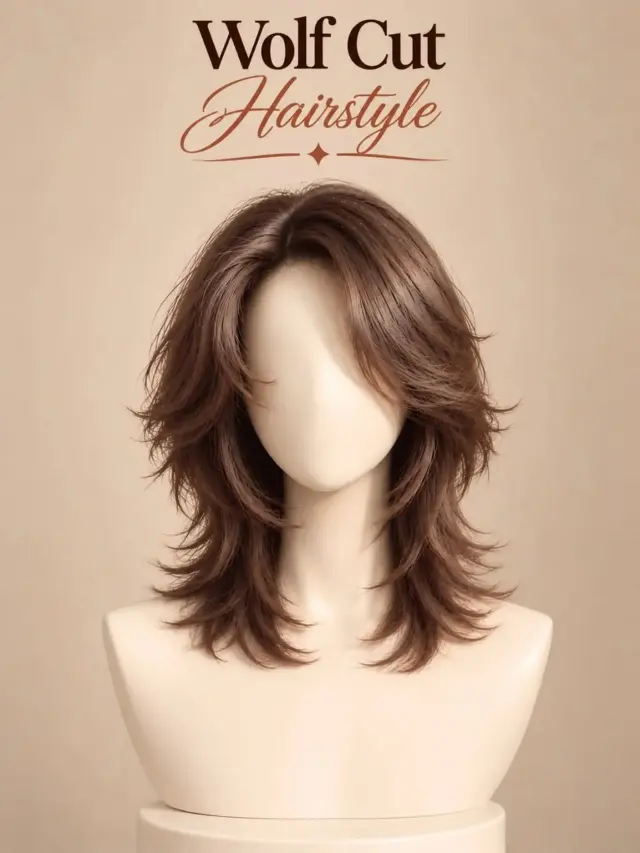
 Salon Hairstyle Ideas: From Soft Bangs to Wolf Cuts
#Salon Hair Ideas
1 ideas
Salon Hairstyle Ideas: From Soft Bangs to Wolf Cuts
Get new #Salon Hair Ideas ideas by email
Every Thursday: the week's best ideas, with the newest from #Salon Hair Ideas.
Related tags
Salon Hair Ideas: A Guide to Choosing Your Next Look
A visit to the salon is one of the few places where a change of appearance can happen in an afternoon. "Salon hair ideas" gathers the looks people bring to a stylist — photographs saved on a phone, a vague wish for "something different", a length that has stopped feeling like theirs. The point of collecting ideas is not to copy a picture exactly, but to arrive with a shared language so that you and the person holding the scissors are imagining the same thing.
Where the ideas come from
Most salon looks are built from a small number of long-standing families of shape. Blunt and one-length cuts read as clean and graphic. Layered cuts add movement and remove weight. Graduated shapes, from a soft bob to a short crop, build volume where the hair sits closest to the head. Fringes are their own vocabulary: soft and curtain-like, blunt and straight, wispy, or grown out to the side. None of these are new; what changes is how they are combined and adapted to a particular head of hair.
Matching a look to your hair
The single most useful thing you can do before choosing is to understand your own hair. Texture — straight, wavy, curly, coily — decides how a cut will fall once it dries, and a style built on someone else's texture will behave differently on yours. Density and strand thickness affect how short you can go before a shape collapses. Growth patterns, cowlicks and the direction hair naturally falls at the hairline will always win over a photograph. Face shape matters far less than most advice suggests; proportion, hairline and how you actually wear your hair day to day matter more.
Colour ideas
Colour can be subtle or transformative. Placement matters as much as shade: all-over colour, highlights woven through to lift the surface, or deeper tones underneath. If you are unsure, ask for something that grows out gracefully, since roots are the part of any colour that decides how often you will need to return. Patch tests before colour are a sensible precaution, and it is worth saying plainly if your scalp has reacted badly to anything before.
Read more
Talking to your stylist
Bring two or three images rather than a dozen, and be ready to say what you like about each — the length, the fringe, the softness at the ends. Ask what the style needs daily: how long it takes to dry, whether it requires styling products, how often it needs trimming to keep its shape. A good consultation includes an honest "that will need twenty minutes every morning" as much as an enthusiastic yes.
Practical tips
Book a cut with enough time for a proper conversation, and avoid arriving at the end of a long day. If you are making a big change, ask for it to be done in stages. Learn the two or three techniques your stylist uses at home, and write them down. Between appointments, regular trims protect the shape, gentle handling protects the ends, and heat should be used with care and a protective product rather than at the highest setting as a habit.
The best salon hair idea is rarely the most dramatic one. It is the one that still feels right on an ordinary Tuesday, when nobody is watching and you have five minutes to get out of the door.
#Salon Hair Ideas: frequently asked questions
How do I choose a salon hairstyle that will actually suit me?
Start by understanding your own hair — its texture, density and the way it naturally falls at the hairline — because these decide how a cut behaves once it dries. Then pick two or three images you genuinely like and note what appeals to you in each, whether that is the length, the fringe or the softness at the ends. Proportion and your everyday routine matter far more than face-shape rules.
What should I bring to a salon appointment when I want a change?
Bring a small handful of photos rather than a phone full of them, and be ready to explain what you like about each one. It also helps to describe how much time you are willing to spend styling at home, since that shapes what a stylist will recommend. A short, honest conversation up front prevents a look that only works with professional hands.
How do I know whether to choose a blunt cut, layers or a fringe?
Blunt, one-length cuts give a clean, graphic line, while layers add movement and take out weight. Graduated shapes such as a soft bob or a short crop build volume where the hair sits closest to the head, and fringes come in their own range from curtain-soft to blunt. The right choice depends on how your hair dries and how short you can go before the shape loses its structure.
How can I make a colour change easier to live with?
Ask for something that grows out gracefully, since regrowth is what decides how often you need to return to the salon. Placement matters as much as shade — all-over colour, highlights, or deeper tones underneath all read very differently. Mentioning any past reaction on your scalp is worthwhile, and a patch test before colour is a sensible habit.
How do I care for a salon haircut between appointments?
Regular trims are what protect the shape, and gentle handling protects the ends day to day. Learn the two or three techniques your stylist uses at home and write them down so you can repeat them. Use heat with care and a protective product rather than reaching for the highest setting out of habit.
What are common mistakes people make with salon hair ideas?
The usual one is asking for an exact copy of a photo without accounting for a different texture or growth pattern, which is why the result can fall differently at home. Another is making a big change all at once instead of in stages, or booking a cut when you are tired and rushed. Arriving with a shared language rather than a fixed picture gives a much better outcome.
Videos come from YouTube and posts from Instagram; titles and summaries are our own. All rights belong to their creators.