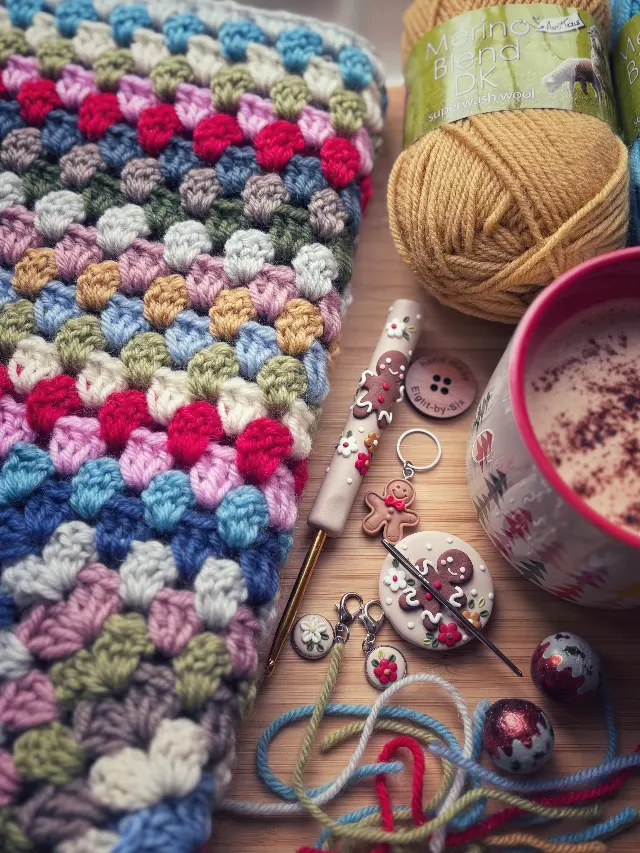
 Vintage-Style Granny Square Blanket in Merino Blend DK Wool
#Merino Wool
1 ideas
Vintage-Style Granny Square Blanket in Merino Blend DK Wool
Get new #Merino Wool ideas by email
Every Thursday: the week's best ideas, with the newest from #Merino Wool.
Related tags
Merino Wool: A Guide to the Softest Sheep Wool
Merino wool comes from the merino sheep, a breed whose origins lie on the Iberian Peninsula and whose descendants now graze in vast numbers across Australia, New Zealand, South Africa and South America. What sets merino apart from other sheep wool is the fineness of its fibre. Where ordinary wool can feel coarse and prickly, merino fibres are measured in single-digit or low double-digit microns — the thinner the fibre, the softer it feels against the skin.
Why fineness matters
The itch people associate with wool comes largely from thicker fibres that stand stiffly and poke at the skin. Because merino fibres are fine and crimped, they bend rather than prickle, which is why the wool is used in garments worn directly against the body. Very fine grades are famously soft; coarser merino is still excellent for outerwear, blankets and upholstery. If you are shopping for yarn or fabric, the micron count tells you more about softness than any marketing word on the label.
What it is good for
Read more
Merino is naturally breathable and handles moisture well, moving it away from the body instead of trapping it. That makes it a favourite for base layers, socks, hiking clothing and travel knitwear, as well as for baby garments and blankets where softness matters. In hand-knitting and sewing it appears as fine lace yarns, workhorse double knitting, and heavier aran weights. Blends are common: merino with silk for drape, with nylon for durability in socks, with cashmere for luxury.
Working with it
Merino has plenty of elasticity and takes dye beautifully, so it suits colourwork, cables and textured stitches. Its smoothness means stitch definition is crisp, though very soft yarns can pill with friction and may not hold sharp shapes in heavily structured garments, where a slightly coarser wool or a blend does better. Beginners should swatch, because merino can relax and bloom slightly after washing.
Caring for merino
Treat merino gently. Wash it by hand or on a wool cycle in cool water with a mild, non-biological detergent, and avoid wringing, hot water and sudden temperature changes, all of which encourage felting. Roll in a towel to remove water, then dry flat, shaping the garment as it dries. Never hang wet wool. Store folded rather than on a hanger to keep shoulders from stretching, and protect clean pieces from moths with lavender or cedar.
A note before you buy
Merino is not one single thing: a gossamer lace yarn and a rugged sock yarn share a name and behave quite differently. Read the fibre content and weight, feel a sample if you can, and choose the grade to suit the job. Looked after properly, merino garments and blankets last for years, softening with wear rather than wearing out.
#Merino Wool: frequently asked questions
Why does merino wool feel soft instead of itchy?
The itch people associate with wool comes from thick, stiff fibres that poke at the skin. Merino fibres are fine and crimped, so they bend against the body rather than prickle, which is why merino is used for garments worn directly against the skin. Finer grades feel softer, while coarser merino still works beautifully for outerwear, blankets and upholstery.
What is merino wool best suited for?
It is breathable and handles moisture well, moving it away from the body instead of trapping it, which makes it a favourite for base layers, socks, hiking clothing and travel knitwear. Its softness also suits baby garments and blankets. In hand-knitting and sewing it ranges from fine lace yarns through workhorse double knitting to heavier aran weights, and it blends well with other fibres to add drape, durability or luxury.
How do I choose the right merino for my project?
Merino is not one single thing — a delicate lace yarn and a rugged sock yarn share a name but behave very differently. Read the fibre content and weight, feel a sample if you can, and match the grade to the job. For heavily structured garments that need to hold sharp shapes, a slightly coarser wool or a blend often performs better than a very soft yarn.
How should I wash and care for merino wool?
Wash it by hand or on a wool cycle in cool water with a mild, non-biological detergent, and avoid wringing, hot water and sudden temperature changes, all of which encourage felting. Roll the piece in a towel to remove water, then dry it flat and reshape it as it dries — never hang wet wool. Store clean pieces folded rather than on a hanger, and protect them from moths with lavender or cedar.
What mistakes should I avoid when working with merino?
Beginners often skip swatching, but merino can relax and bloom slightly after washing, so a sample tells you how the finished fabric will really behave. Very soft yarns can also pill with friction and may not hold crisp shapes in heavily structured pieces. Finally, treat it gently in the wash — rough handling and heat are what turn a soft knit into a felted one.
Videos come from YouTube and posts from Instagram; titles and summaries are our own. All rights belong to their creators.