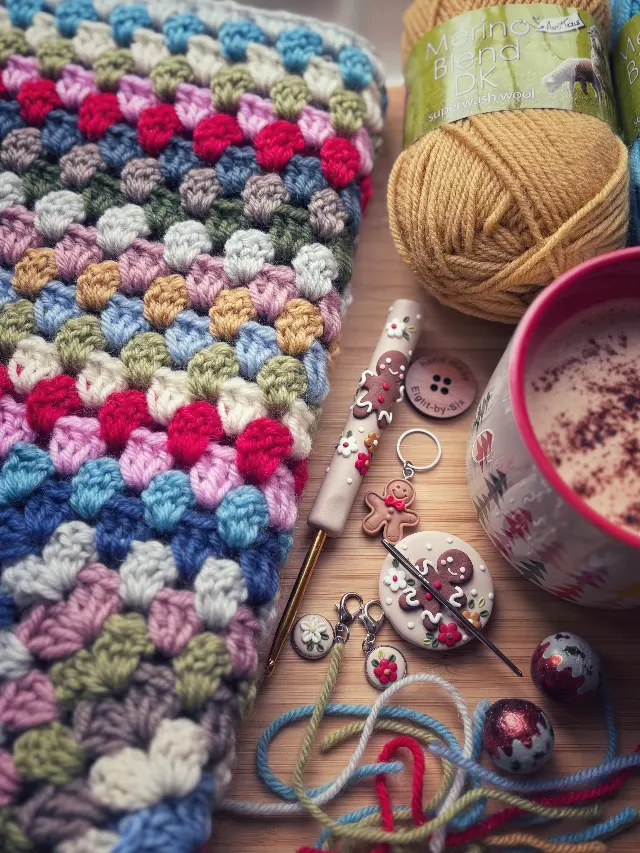
 Vintage-Style Granny Square Blanket in Merino Blend DK Wool
#Vintage Crochet
2 ideas
Vintage-Style Granny Square Blanket in Merino Blend DK Wool
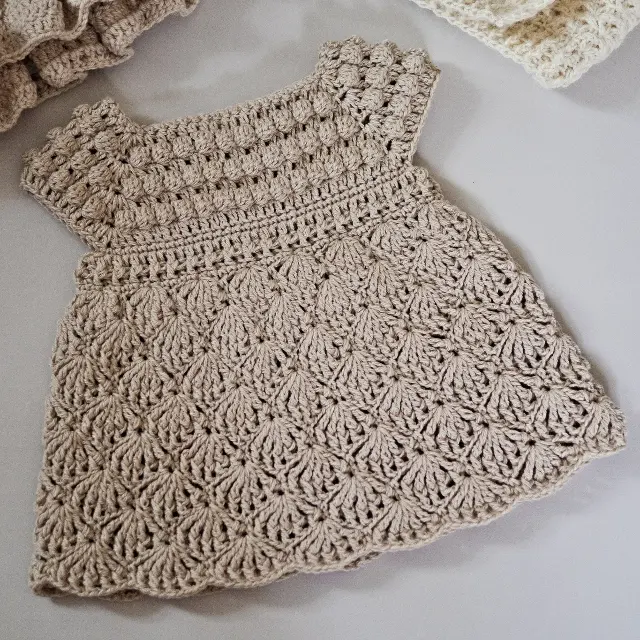 Crochet Dress Pattern for Girls with Bobble Yoke and Flared Skirt
Get new #Vintage Crochet ideas by email
Every Thursday: the week's best ideas, with the newest from #Vintage Crochet.
Related tags
Vintage Crochet: A Guide to Timeless Handmade Style
Vintage crochet is the craft of making fabric from a single continuous thread using a hooked needle, done in the spirit of the patterns, motifs and techniques handed down from earlier generations. It sits at the meeting point of practicality and decoration: the same simple loop-and-hook motion that produces a sturdy market bag or a warm blanket can also produce lace fine enough to edge a handkerchief. What makes crochet "vintage" is not the yarn or the colour but the lineage — the shapes, the stitch vocabulary and the design language that were worked out long ago and are still worth returning to.
Where it comes from
Crochet as we recognise it took shape in Europe in the early nineteenth century, growing out of older looped-thread traditions. It spread quickly because it needed almost nothing: one hook, one ball of thread, and no large frame or loom. In Ireland, crochet lace became a way for families to earn money during hard times, and the intricate floral motifs of that tradition are still among the most admired pieces in the craft. From there crochet travelled into household decoration, clothing and, in the twentieth century, into the brightly coloured home textiles that many people picture first when they hear the word.
The main kinds
Read more
Thread crochet uses fine cotton and a slender steel hook to make lace: doilies, edgings, collars and table covers. Its motifs are usually worked separately and joined afterwards, which is what gives traditional lace its airy, layered look.
Yarn crochet works at a larger scale in wool, cotton or blends. Here the classic forms are the granny square — a square motif built from clusters of stitches, joined into blankets and bags — along with ripple and shell patterns, filet crochet (a grid-based technique that draws pictures with solid and open squares), and Tunisian crochet, which holds many loops on the hook at once and produces a dense, woven-looking fabric.
What beginners should know
Start with a smooth, light-coloured yarn in a medium weight and a hook that suits it; fuzzy or dark yarn hides your stitches and makes learning harder. Learn a handful of fundamentals well — chain, slip stitch, single crochet, double crochet, and how to turn at the end of a row — before chasing complicated patterns.
Count your stitches at the end of every row. Most beginner problems come from a lost or added stitch at the edge, and counting catches it immediately rather than ten rows later. Keep your tension relaxed; gripping the hook tightly makes stitches uneven and tires your hands.
When you work from an older pattern, expect a different vocabulary. Terms changed over time and between countries, and hooks were sized differently, so treat the printed hook size as a starting point and match your tension to the finished measurements instead. Cotton and wool behave differently in the same pattern, so swatch before committing to a large piece.
Working with vintage designs
Old patterns reward patience. Many were written for thread and assume a steady, even hand; scaling them up to yarn often means adjusting hook size and repeating a motif more times. Repairing and finishing matter too — weaving in ends carefully, blocking lace so it opens up, and mending small holes before they spread will keep a piece usable for decades.
The pleasure of vintage crochet is that it asks for very little and gives back something lasting: a skill that improves with use, and objects that carry a quiet continuity with everyone who has ever worked the same stitches.
#Vintage Crochet: frequently asked questions
How do I get started with vintage crochet if I've never held a hook?
Begin with a smooth, light-coloured yarn in a medium weight and a hook that matches it, since fuzzy or dark yarn makes your stitches hard to see while you learn. Practise a few fundamentals until they feel automatic — chain, slip stitch, single crochet, double crochet and turning at the end of a row — before you attempt an heirloom-style pattern.
What supplies do I actually need for this craft?
Very little: one hook, one ball of thread or yarn, and a pair of scissors. Thread crochet calls for fine cotton and a slender steel hook, while yarn crochet uses wool, cotton or a blend with a larger hook; a blunt needle helps later for weaving in ends and joining motifs.
Should I choose thread crochet or yarn crochet?
Pick thread crochet if you love lace — doilies, edgings, collars and table covers — and don't mind working small, separate motifs that are joined afterwards. Choose yarn crochet if you want blankets, bags and garments, where classic forms like the granny square, ripple, shell and filet patterns do the work at a larger scale.
How should I care for a finished vintage-style piece?
Weave in your ends carefully, block lace so the motifs open up properly, and mend small holes as soon as you notice them rather than letting them spread. Matching your yarn to the fibre the pattern expects — cotton holds a crisp shape, wool is warmer and more elastic — makes a piece behave better over the years, so swatch first and wash gently according to the fibre.
Why does an old pattern look so different from a modern one, and can I still use it?
Terms shifted over time and between countries, and hooks were sized differently, so the printed hook size is only a starting point — match your tension to the finished measurements instead. Many old patterns were also written for thread, so scaling them up to yarn usually means adjusting hook size and repeating a motif more times.
What mistakes trip up beginners most often?
Losing or adding a stitch at the row edge is the classic error, which is why counting your stitches at the end of every row catches problems immediately instead of many rows later. Gripping the hook too tightly is the other common one — it makes stitches uneven and tires your hands, so keep your tension relaxed.
Videos come from YouTube and posts from Instagram; titles and summaries are our own. All rights belong to their creators.