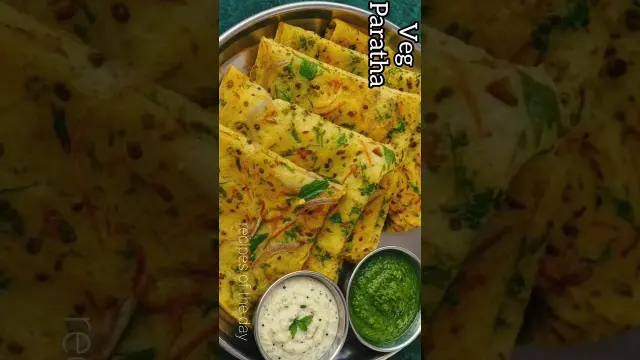
 Healthy High Protein Methi Paratha Recipe
#Methi Paratha
1 ideas
Healthy High Protein Methi Paratha Recipe
Get new #Methi Paratha ideas by email
Every Thursday: the week's best ideas, with the newest from #Methi Paratha.
Related tags
Methi Paratha Guide
Methi paratha is a type of Indian flatbread made with fresh fenugreek leaves, known as methi, mixed into a whole wheat dough and cooked on a hot griddle. It is valued for its earthy aroma, slightly bitter taste, and soft, satisfying texture. In many homes, it is made as part of everyday cooking, especially when you want a filling bread that can be served with curd, pickles, vegetables, or lentils.
What methi paratha is
Paratha is a broad name for a pan-cooked flatbread, usually made from wheat flour. When fresh methi leaves are added to the dough, the result is methi paratha. The leaves are usually chopped finely and combined with flour, salt, spices, and a little fat, then kneaded into a dough and rolled out before cooking. The dough may be made plain or enriched with ingredients like yogurt, grated vegetables, or additional spices, depending on family style.
Fenugreek leaves have a distinct flavor that can taste mildly bitter, so methi paratha is often balanced with other seasonings. This makes it a good way to enjoy greens in a form that feels comforting and familiar.
Read more
Common styles and variations
There is no single fixed recipe for methi paratha. Some versions are soft and simple, while others are layered, stuffed, or pan-fried with more oil or ghee for extra richness. You may find:
- Plain methi paratha, where the leaves are kneaded directly into the dough
- Stuffed methi paratha, where a seasoned filling is enclosed inside
- Spiced methi paratha, with ingredients like cumin, chili, ajwain, or coriander
- Mixed-vegetable versions, where methi is combined with grated vegetables for more texture
Each version has its own character, but the essential idea stays the same: a wheat flatbread flavored with fenugreek leaves.
Tips for making it well
If you are making methi paratha for the first time, a few small habits help a lot:
- Wash the leaves well and remove thick stems if needed
- Chop them finely so they mix evenly into the dough
- Add the leaves gradually, since they release moisture
- Let the dough rest before rolling so it becomes easier to handle
- Roll gently to avoid tearing, especially if the dough is soft
- Cook on a medium-hot pan so the bread cooks through without burning
If the flavor feels too sharp, you can balance it with yogurt, a little sugar, or other mild spices. If the dough becomes too wet, add a little more flour rather than forcing it.
How to serve it
Methi paratha is usually eaten warm, with simple accompaniments. It pairs well with plain yogurt, butter, chutney, pickle, or a vegetable curry. It can be served at breakfast, lunch, or as a packed meal, since it holds its flavor well after cooking.
A few things to keep in mind
For the best texture, use fresh leaves when possible, but the same idea can be adapted with dried fenugreek leaves in some kitchens. The important thing is balance: enough methi for aroma and flavor, but not so much that the bread becomes too wet or bitter. Once you get comfortable with the dough, methi paratha becomes an easy and versatile bread to make again and again.
Videos come from YouTube and posts from Instagram; titles and summaries are our own. All rights belong to their creators.