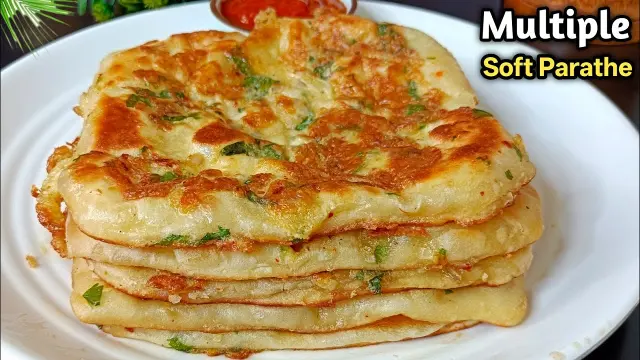
 Soft Egg Paratha Recipe for a Healthy Breakfast
#Paratha
13 ideas
Soft Egg Paratha Recipe for a Healthy Breakfast
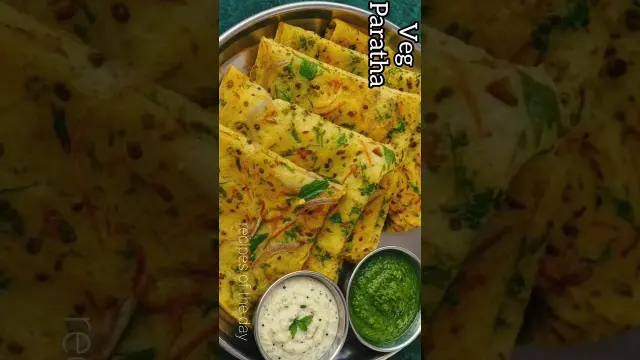 Healthy High Protein Methi Paratha Recipe
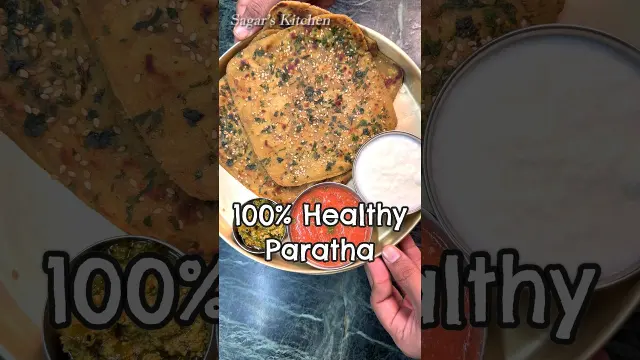 Tasty and Healthy Sweetcorn Paratha Recipe
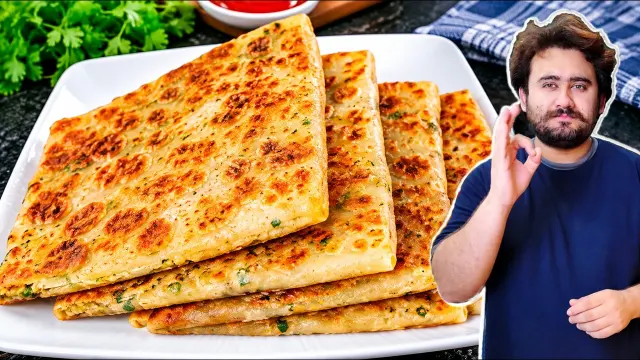 Crispy and flaky chicken stuffed paratha recipe
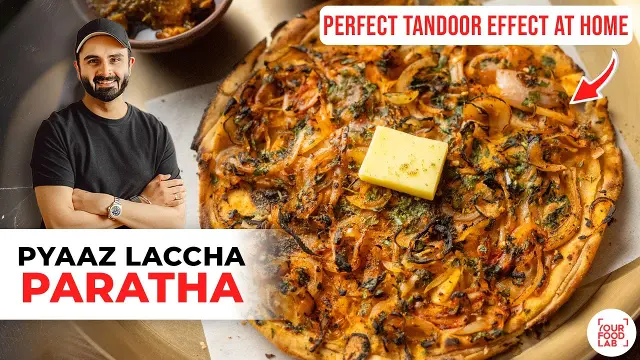 Pyaaz Laccha Paratha Recipe with Tandoor Effect
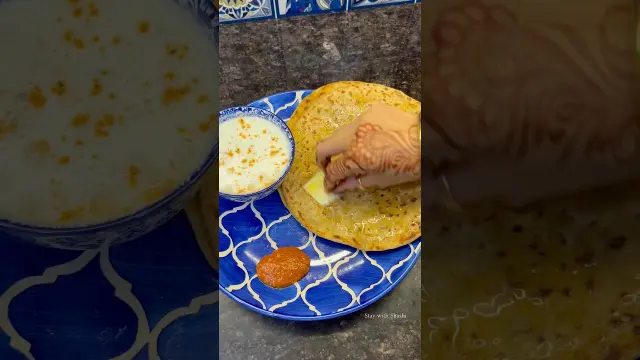 Stuffed Chole Paneer Paratha Recipe
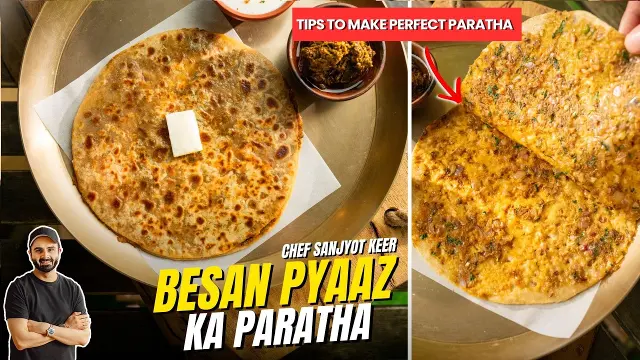 Besan Pyaaz Ka Paratha Recipe by Chef Sanjyot Keer
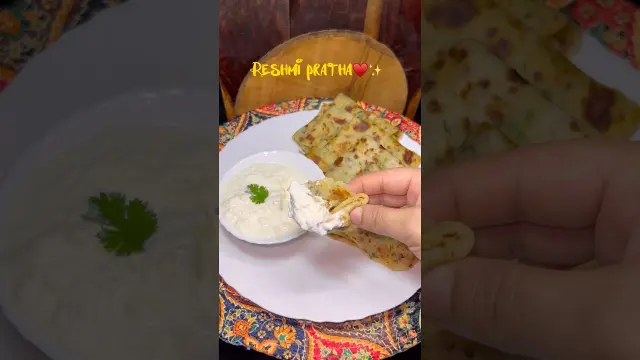 Reshmi Aloo Paratha Made Without Water or Stuffing
 Kothu Parotta Village Style Street Food Recipe
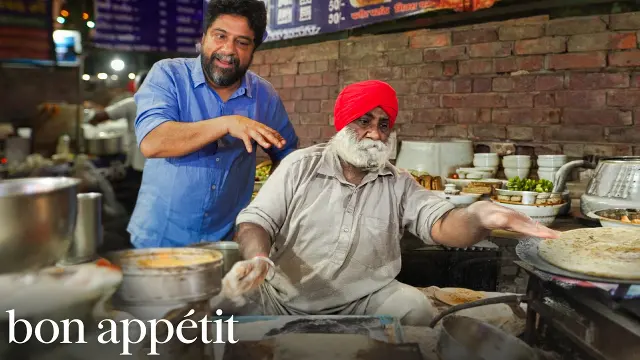 A Legendary Fifty Year Old Paratha Stand in Delhi
 Crispy Sweet Potato Layered Paratha Recipe
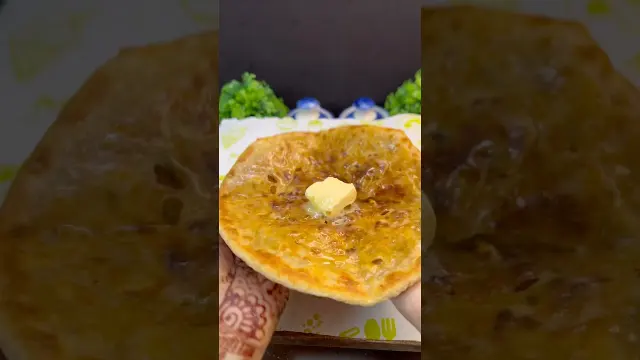 Crispy Bhujia Paratha for a Simple Morning Breakfast
 Crispy and Cheesy Protein Packed Egg Paratha
Get new #Paratha ideas by email
Every Thursday: the week's best ideas, with the newest from #Paratha.
Related tags
Paratha: Flatbread, Fillings, and Simple Techniques
Paratha is a traditional South Asian flatbread made from wheat dough and usually cooked on a griddle or skillet. It is loved for its soft layers, satisfying bite, and the way it can be served plain or filled with a wide range of ingredients. Depending on the method and region, paratha can be thin and crisp, thick and soft, folded into layers, or stuffed with savory fillings.
At its simplest, paratha is made from flour, water, and a little fat, then rolled out and cooked until both sides are browned. Many versions include oil or ghee in the dough or brushed onto the bread while cooking, which helps create a tender texture and flaky layers. It is a staple in many homes because it is filling, adaptable, and works for breakfast, lunch, or dinner.
Main kinds of paratha
There are several common styles of paratha, and each has its own character.
Read more
- Plain paratha: a simple layered flatbread, often served with yogurt, pickle, butter, or curry.
- Stuffed paratha: dough filled with mashed or spiced ingredients such as potato, lentils, vegetables, paneer, or minced meat.
- Layered paratha: rolled and folded in a way that creates visible flaky layers.
- Triangular or square paratha: shaped for convenience and often used for stuffed versions.
- Regional variations: many areas have their own traditional versions, with differences in thickness, fat, fillings, and cooking style.
How it is made
The basic process is straightforward, but a few details matter. The dough should be soft and rested so it rolls more easily. If it is too stiff, the paratha can become tough; if it is too wet, it may tear. For layered versions, brushing with a little fat and folding the dough helps create separation during cooking. For stuffed paratha, the filling should be cool and not too moist, so the dough stays sealed.
Paratha is usually cooked on a hot griddle or skillet. It is turned several times so the bread cooks through evenly while developing brown spots and a lightly crisp surface. A little oil or ghee can be added during cooking for extra flavor and a richer finish.
Practical tips for beginners
- Let the dough rest before rolling it out.
- Keep the filling dry and well seasoned.
- Seal stuffed parathas carefully to prevent leaking.
- Roll gently and evenly so the bread cooks at the same rate.
- Use medium to medium-high heat; very low heat makes it dry, while very high heat can burn the outside before the inside is done.
Paratha is especially useful because it can be made plain or customized to suit what you have at hand. You can make it simple for everyday meals or more elaborate with fillings and layers. Once you learn the basic dough and rolling technique, you can adapt it to many tastes and occasions.
Videos come from YouTube and posts from Instagram; titles and summaries are our own. All rights belong to their creators.