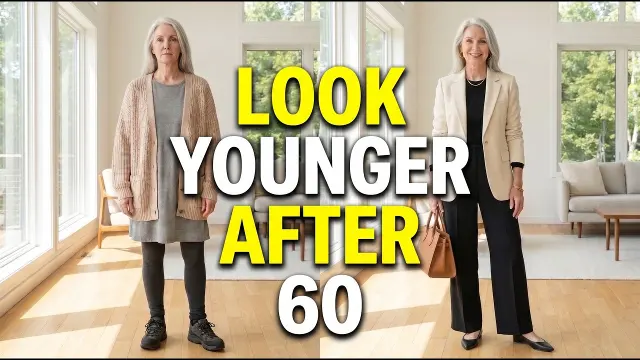
 Ten Classy Outfit Formulas for Women Over 60
#Midi Skirts
1 ideas
Ten Classy Outfit Formulas for Women Over 60
Get new #Midi Skirts ideas by email
Every Thursday: the week's best ideas, with the newest from #Midi Skirts.
Related tags
Midi Skirts: A Complete Guide to Styling and Choosing
A midi skirt is a skirt whose hem falls somewhere between the knee and the ankle — most often around mid-calf. That single detail, a length that stops short of the floor but sits well below the knee, gives it much of its appeal: it is modest without being severe, comfortable without being casual, and it moves with you rather than clinging.
The length became a deliberate design choice in the years after the Second World War, when a generation of designers lowered hemlines that had been kept short during wartime rationing. Since then the midi has drifted in and out of favour, but it has never really disappeared — it belongs to that rare group of garments that suits offices, weddings, weekends and travel without much adjustment.
The main shapes
- A-line: fitted at the waist and flaring gently to the hem, flattering on most figures and easy to walk in.
- Pleated: finely folded fabric that fans out as you move; knife pleats give a crisp, structured look, accordion pleats a softer swing.
- Bias-cut: fabric cut on the diagonal so it falls in fluid waves and skims the body without gripping.
- Straight and pencil: a narrower shape that reads more formal; the longer hem keeps it from looking tight.
- Tiered and panelled: built from horizontal bands of fabric, adding volume and a relaxed, hand-made feel.
Read more
Choosing the right one
Hem length is the detail worth getting right. A midi that ends at the widest part of your calf draws the eye downwards; one that stops an inch or two above or below that point usually sits more easily. Also look at where the waistband falls — high waists lengthen the leg line, while hip-level bands suit straighter shapes.
Fabric matters as much as cut. Fluid fabrics such as viscose, silk blends and fine cotton drape well and stay cool; stiffer fabrics like cotton poplin and linen hold pleats and shape but add volume. If you prefer a smooth line, choose something with a little weight rather than a lot of stiffness.
Wearing it
The simplest rule is proportion: a full or pleated skirt sits best with a fitted top tucked in, while a narrow skirt leaves room for a loose knit or an oversized shirt. Waist definition is what keeps a midi from looking like a length of fabric.
Shoes change the character more than anything else. Flat sandals or clean trainers make a midi everyday; loafers or ankle boots give it a polished edge; heeled shoes lift the hemline visually. In colder weather, tights and a midi-length coat keep the proportions coherent, and hem lengths that clear the top of a boot tend to look intentional.
For beginners
Start with a plain A-line or straight midi in a neutral colour you already wear, in a fabric with a bit of drape. Check the length in shoes you actually own, and sit down in it before deciding — a hem that rides up when seated is worth knowing about. Wash according to the label, hang pleated pieces from the waistband rather than by the hem, and press gently. A well-chosen midi rarely needs much else.
#Midi Skirts: frequently asked questions
What exactly is a midi skirt, and why do people like it so much?
It's a skirt whose hem lands somewhere between the knee and the ankle, usually around mid-calf. That length is what makes it so useful: it reads as modest and polished without feeling formal, and it moves freely instead of clinging. Because it works for offices, weddings, weekends and travel, it's one of those pieces you can wear almost anywhere without rethinking your outfit.
What should a beginner look for when buying a first midi skirt?
Start with a simple A-line or straight shape in a neutral colour you already wear, in a fabric that has some drape rather than a lot of stiffness. Check the hem in shoes you actually own, and sit down in it before deciding, since a skirt that rides up when seated will annoy you later. A plain, well-cut midi is easy to build outfits around and rarely needs much else.
Which midi skirt shape should I choose?
A-line flares gently from a fitted waist and flatters most figures, while pleated versions add movement and a bit of structure. Bias-cut styles skim the body in soft waves, straight and pencil cuts look more formal, and tiered or panelled designs bring volume and a relaxed, hand-made feel. Pick the one that matches the line you want to create and the amount of volume you're comfortable wearing.
How do I keep a midi skirt from looking shapeless or frumpy?
Proportion is the whole trick: pair a full or pleated skirt with a fitted top tucked in, and let a narrow skirt carry a loose knit or oversized shirt. Defining the waist is what stops a longer hem from reading like a length of fabric. Hem placement matters too, so aim for a length that sits just above or just below the widest part of your calf rather than right across it.
What shoes and outer layers work with a midi skirt?
Footwear changes the character more than anything else: flat sandals or clean trainers keep it everyday, loafers and ankle boots make it sharper, and heels lift the hem visually. In cold weather, tights and a midi-length coat keep the proportions coherent, and a hem that clears the top of your boot tends to look deliberate rather than accidental.
How should I wash and store a midi skirt?
Follow the care label first, since drapey fabrics and crisp fabrics behave very differently in water. Hang pleated pieces from the waistband rather than by the hem so the folds keep their shape, and press gently rather than ironing creases in hard. Stored and washed with a little care, a good midi holds its line for a long time.
Videos come from YouTube and posts from Instagram; titles and summaries are our own. All rights belong to their creators.