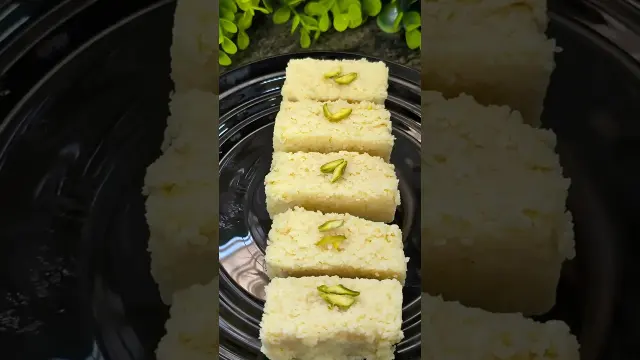
 Simple homemade Kalakand sweet recipe for Diwali
#Milk Sweet
1 ideas
Simple homemade Kalakand sweet recipe for Diwali
Get new #Milk Sweet ideas by email
Every Thursday: the week's best ideas, with the newest from #Milk Sweet.
Related tags
Milk Sweets: A Guide to India's Beloved Mithai
Milk sweets, often called mithai, are confections built around one humble ingredient: milk. Slowly heated, stirred and reduced, milk turns golden, grainy or firm depending on how long it cooks, and that transformation is the heart of an entire family of sweets. You will find them at festivals, weddings, temple offerings and everyday tea tables, and learning a little about how they work makes them far less intimidating to attempt yourself.
Where they come from
Milk has long been central to Indian food culture, valued both as nourishment and as a symbol of generosity and purity. Because fresh milk spoils quickly in a warm climate, cooks learned to preserve it by simmering it down and combining it with sugar, ghee and flavourings. The result was a whole repertoire of sweets that keep better than milk and taste considerably more celebratory. Regional kitchens developed their own versions, so the same idea can appear under different names from one state to the next.
The basic idea
Read more
Most milk sweets start from one of two materials. The first is reduced milk, made by simmering milk until much of its water evaporates and it thickens and darkens. The second is khoa or mawa, a soft solid made by stirring milk over heat until it dries into a grainy mass. From there, sugar, ghee, cardamom, saffron, nuts or rose water are added, and the mixture is shaped, cut or cooked further.
Main kinds
- Fudge-like sweets made from khoa, cooked until firm and then pressed flat and cut into squares or diamonds.
- Soft, juicy dumplings made from fresh cheese, which is milk curdled with an acid, drained and then simmered in sugar syrup.
- Grainy, slightly chewy sweets where reduced milk is cooked with sugar until it pulls together and sets.
- Rice-based puddings and milk baths, where milk is simmered with rice, vermicelli or lentils until creamy.
- Fried sweets, where a milk-and-flour dough is shaped and cooked in ghee before soaking in syrup.
What beginners should know
Use whole milk. Skimmed milk gives a thinner result and takes much longer to reduce. Keep the heat moderate and stir often, especially as the milk thickens, because the bottom of the pan scorches easily and a burnt note will carry through the whole batch. Be patient with reduction; rushing it over high heat usually leads to scorching rather than speed.
If you are making fresh cheese for dumplings, add the acid gradually and stop as soon as the milk splits cleanly, then drain thoroughly. A wet mixture will fall apart in the syrup. For khoa-based sweets, cook until the mixture leaves the sides of the pan and gather it into a ball while still warm; once it cools it becomes harder to shape.
Practical tips
Grease your palms and your tray lightly with ghee before shaping sticky mixtures. Add cardamom, saffron or rose water at the end of cooking so the aroma survives. Toasted nuts give texture and contrast. Sweets keep well for a few days in a cool place, and many freeze successfully if you wrap them well. Start with one simple recipe, learn how the mixture should look and feel, and the rest becomes far easier to judge by eye.
#Milk Sweet: frequently asked questions
What is the simplest milk sweet for a beginner to try first?
A khoa-style fudge is the most forgiving place to start, because it needs only milk and sugar with a little ghee and is judged by how the mixture looks rather than by precise timing. Cook it until it leaves the sides of the pan, then press it flat and cut it once it firms. Getting that one texture right teaches you more than trying several complicated sweets at once.
What ingredients and equipment do I need to make milk sweets at home?
You need whole milk, sugar, ghee, and a flavouring such as cardamom, saffron or rose water, plus nuts if you want texture. A wide, heavy-bottomed pan and a sturdy spoon matter more than people expect, since the mixture thickens quickly and scorches easily. A lightly greased tray and greased palms help when it is time to shape.
How do I decide which kind of milk sweet to make?
Think about the texture you enjoy: firm fudge squares, soft syrup-soaked dumplings, chewy grainy sweets, creamy rice puddings, or fried dough sweets soaked in syrup. Dumplings need fresh cheese you curdle and drain yourself, while fudge and grainy sweets start from milk reduced on the stove. Pick the one whose texture you actually want to eat, then learn that method well.
How should I store milk sweets, and can I make them in advance?
They keep for a short while in a cool place, and most freeze well if wrapped tightly and thawed gently. If you are preparing for a celebration, make them ahead and add toasted nuts or a final garnish just before serving. Anything with fresh cheese is best eaten soonest, since it is the most perishable of the family.
What mistakes do beginners usually make with milk sweets?
The most common ones are using skimmed milk, turning the heat up too high to speed things along, and stirring too little as the mixture thickens, all of which lead to scorching or a thin result. When making fresh cheese, adding the acid all at once or leaving the curds wet makes dumplings that fall apart in the syrup. Adding flavourings at the very end, and shaping while the mixture is still warm, saves a lot of disappointment.
Can milk sweets work for a festival or family gathering?
They suit celebrations naturally, since they hold their shape, travel well and are traditionally shared at festivals, weddings and temple offerings. Choose one or two kinds rather than a large spread, and pair a firm fudge with something soft or creamy for contrast. A small batch made carefully reads as far more generous than a crowded plate of things made in a rush.
Videos come from YouTube and posts from Instagram; titles and summaries are our own. All rights belong to their creators.