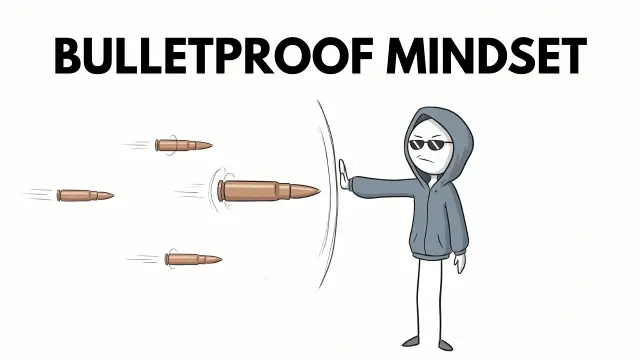
 The Psychology of Resilience and Mental Strength
#Mindset
3 ideas
The Psychology of Resilience and Mental Strength
 The Psychology of Not Caring What Others Think
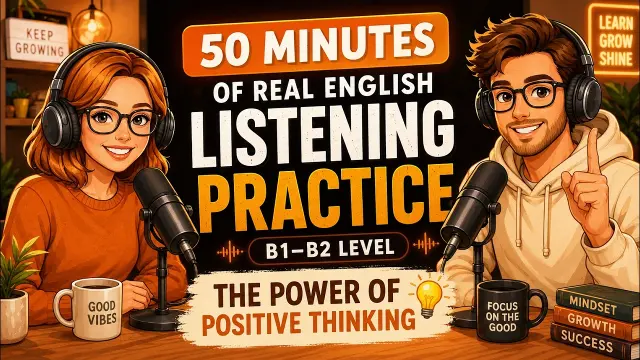 How to Think Positive Every Day English Listening Practice
Get new #Mindset ideas by email
Every Thursday: the week's best ideas, with the newest from #Mindset.
Related tags
Mindset: How You Think Shapes What You Do
What mindset means
Mindset is the collection of beliefs, attitudes, and thought habits that shape how you interpret events and respond to them. It influences the way you handle setbacks, learning, relationships, and change. In simple terms, mindset is not just what you think, but the pattern behind how you think.
The idea appears in psychology, education, and personal development, but it also shows up in everyday life. Some people naturally expect challenges to be temporary and manageable. Others tend to see them as proof that they are stuck or incapable. Neither way is fixed forever. A mindset can shift with practice, experience, and self-awareness.
Main kinds of mindset
Read more
One useful way to understand mindset is to think about whether you see abilities as fixed or developable.
- A fixed mindset assumes that talent, intelligence, or confidence are mostly unchangeable.
- A growth mindset assumes that skills, understanding, and self-trust can improve over time.
You can also think about mindset in broader terms:
- Resilient mindset: helping you recover after disappointment or difficulty
- Positive mindset: helping you notice possibility, gratitude, and support
- Realistic mindset: helping you see both challenges and strengths clearly
- Open mindset: helping you stay curious and willing to learn
Most people use a mix of these. A healthy mindset is not about pretending everything is easy. It is about meeting life with flexibility instead of automatic defeat.
Why mindset matters
Your mindset affects how you speak to yourself, how you make decisions, and whether you keep going when things are uncomfortable. It can influence confidence, motivation, and the willingness to try again after failure. When your inner voice is harsh or fearful, even small tasks can feel heavy. When your thinking is balanced and constructive, problems are still real, but they feel more workable.
What beginners should know
A better mindset does not come from repeating empty slogans. It comes from noticing patterns and gently changing them. Start by observing the thoughts that appear when something goes wrong. Ask yourself:
- Am I jumping to conclusions?
- Am I treating one mistake like a permanent truth?
- What would I say to a friend in the same situation?
This kind of reflection helps you separate facts from assumptions. It also makes room for a calmer response.
Practical ways to strengthen your mindset
- Choose one small, manageable goal and follow through on it.
- Replace absolute words like “always” and “never” with more accurate language.
- Pay attention to effort, not only outcomes.
- Keep company with people who encourage honesty and growth.
- Allow yourself to rest without using rest as a reason to give up.
- Notice progress, even when it feels slow.
Mindset grows through repetition. The more you practice responding thoughtfully instead of automatically, the more natural that response becomes.
A steady way to think
A strong mindset is not loud or perfect. It is steady, adaptable, and willing to learn. It helps you stay grounded when life is uncertain and patient when progress takes time. Over the long run, that steady way of thinking can make a real difference in how you live, work, and relate to others.
Videos come from YouTube and posts from Instagram; titles and summaries are our own. All rights belong to their creators.