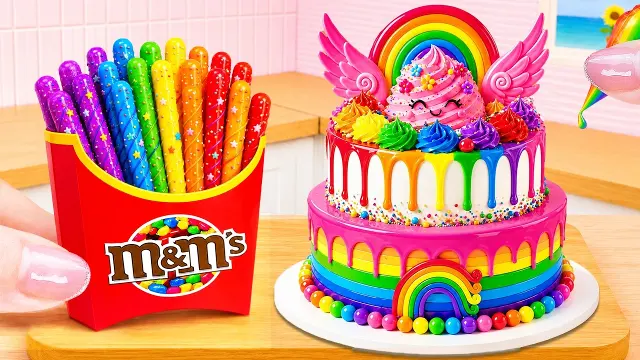
 How to Bake a Pretty Rainbow Angel Wings Cake with M&Ms
#Mini Desserts
2 ideas
How to Bake a Pretty Rainbow Angel Wings Cake with M&Ms
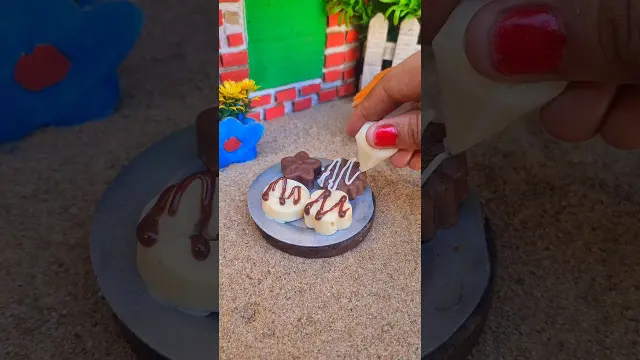 Making Miniature Chocolate Bites Using Tiny Moulds
Get new #Mini Desserts ideas by email
Every Thursday: the week's best ideas, with the newest from #Mini Desserts.
Related tags
Mini Desserts: Small Sweets with Big Appeal
Mini desserts are small-scale sweets designed to be served in bite-sized portions. They can be as simple as a single truffle or as composed as a tiny tart, mousse cup, or miniature cake. People enjoy them for many reasons: they are easy to serve, look elegant on a platter, and let you offer variety without committing to a full-sized dessert. They also make it easier to taste several flavors in one sitting.
What mini desserts are
At their most basic, mini desserts are scaled-down versions of familiar sweets. They may be baked, chilled, frozen, or assembled without baking. Some are meant to be eaten in one or two bites, while others are small individual servings. Common kinds include tartlets, mini cheesecakes, petit fours, mini cupcakes, mousse cups, panna cotta glasses, chocolate bites, and tiny pastries.
Where they come from
Read more
Small desserts have long been part of home cooking and formal dining. In many food traditions, little pastries, filled cases, and delicate cakes were made for special occasions, tea tables, and celebrations. Their appeal comes from the same ideas that make canapés and tasting plates popular: variety, elegance, and portion control. Today, mini desserts remain a flexible format for both everyday baking and festive gatherings.
Main styles and forms
Mini desserts can be grouped in a few broad ways:
- Baked desserts: mini cakes, muffins, tartlets, brownies, and small pies
- Chilled desserts: mousses, puddings, cheesecakes, parfaits, and trifles
- No-bake treats: truffles, ganache bites, cookie balls, and layered cups
- Individual plated desserts: a small composed dessert served with sauce, cream, or fruit
The style you choose often depends on the occasion. For a casual gathering, simple bars or cups are easy to prepare. For a more formal table, neat tartlets or elegant layered desserts can feel especially polished.
Techniques to know
Mini desserts usually benefit from careful portioning and even shaping. If you are baking, use tins, molds, or liners that help keep the size consistent. If you are assembling chilled desserts, work in clean layers so each serving looks neat. A small spoon, piping bag, or scoop can help with filling and decoration.
Because mini desserts are small, texture matters a lot. A soft filling often pairs well with a crisp base or a light cake layer. A tart can feel more complete with fruit, cream, or chocolate. A chilled dessert may need a little garnish to give it contrast and interest.
Tips for beginners
- Start with simple recipes you already know in full-size form
- Keep the decoration modest; small desserts can become crowded quickly
- Aim for uniform sizes so they bake and serve evenly
- Let chilled desserts set fully before unmolding or serving
- Use garnishes sparingly, such as fruit, cocoa, nuts, or a drizzle of sauce
Serving and presentation
Mini desserts are especially lovely when arranged with care. A tray, cake stand, or small plate can make even a simple sweet feel special. Mixing a few different flavors is a good idea, especially for guests, because small portions encourage sampling. If you want the display to look balanced, vary the shapes and colors while keeping the overall palette harmonious.
For best results, think of mini desserts as tiny but complete sweets: they should have a clear flavor, a pleasing texture, and a finish that feels intentional. When made thoughtfully, small desserts can be just as satisfying as larger ones.
Videos come from YouTube and posts from Instagram; titles and summaries are our own. All rights belong to their creators.