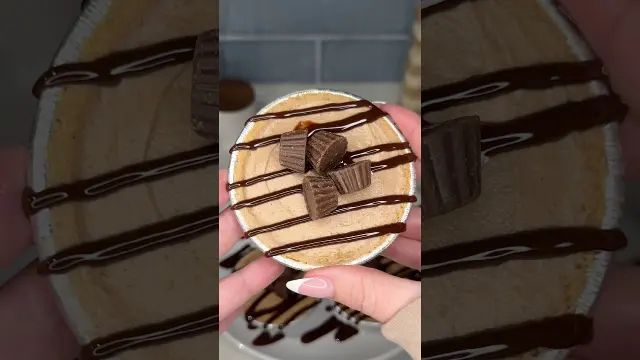
 Mini Reese's Peanut Butter Pies in Graham Crusts
#Mini Pies
1 ideas
Mini Reese's Peanut Butter Pies in Graham Crusts
Get new #Mini Pies ideas by email
Every Thursday: the week's best ideas, with the newest from #Mini Pies.
Related tags
Mini Pies: A Guide to Small, Bite-Sized Bakes
A mini pie is simply a pie made small: one that fits in the palm of your hand, or in a single cup of a muffin tin. The idea is old and practical. Before pie was a dessert, it was a way of baking a filling inside a sturdy crust that could be carried, stored and eaten without a plate. Small pies — hand pies, pasties, turnovers, tartlets — survive in almost every baking tradition for exactly that reason: they travel well and give everyone their own portion.
The main kinds
Mini pies fall into a few broad families, and knowing them helps you choose a method.
- Hand pies and turnovers: filling enclosed in dough, sealed at the edges and baked or fried. Portable and forgiving, since a folded crust hides imperfections.
- Tartlets and mini pie shells: a round of pastry pressed into a small fluted tin, filled and baked. Neat, even and good for custards and fruit.
- Muffin-tin pies: standard pie dough shaped into a muffin pan, with a top crust, lattice or crumble. The easiest route for anyone who already owns a pie recipe they like.
- No-bake mini pies: a crumb crust pressed into a cup and filled with a chilled mixture, set in the refrigerator rather than the oven.
Read more
Crust and filling
Almost any pie recipe can be scaled down; the trick is adjusting the method rather than the ingredients. A crust rich in fat — butter, shortening or lard — browns faster when small, so watch mini pies closely and lower the heat slightly if the edges darken before the middle sets. A crumb crust made from crushed biscuits or cookies is the beginner's friend: press it firmly, chill it before filling, and it will hold its shape when you lift it out.
Fillings should be a little thicker than you would make for a full-size pie, because a shallow cup has less room to absorb liquid. Cook fruit fillings briefly to release their juices, or toss the fruit with a little starch or ground almonds. Custards benefit from being poured just short of the rim, so they can puff without spilling.
Practical tips for beginners
Work with cold dough and a light hand; overworked pastry turns tough. Roll dough a little thinner than for a large pie, since small pies have a high ratio of crust to filling. Cut rounds with a cutter slightly wider than the cup so there is enough to press up the sides. Seal double-crust minis with a fork or a crimp, and cut a small vent so steam can escape. Let baked pies rest in the tin for a few minutes before lifting them out — they firm up as they cool.
Serving and keeping
Mini pies are at their best the day they are baked. Plain fruit or nut pies keep for a day or two loosely covered at room temperature, and fruit-filled ones freeze well before baking. Anything made with custard, cream, cream cheese or a similar dairy filling is a different matter — those need to be kept in the refrigerator, and should not sit out at room temperature for long, both before and after serving. When in doubt, chill it.
Serve them slightly warm, dusted with sugar, or with a spoon of cream or ice cream. They suit a buffet, a lunchbox, a tea table or a picnic — which is the whole point of baking small.
#Mini Pies: frequently asked questions
How do I get started with mini pies if I've never baked one before?
The easiest entry point is a muffin tin plus a pie recipe you already like: shape the dough into the cups and finish with a top crust, a lattice or a crumble. If rolling dough feels intimidating, press a crumb crust made from crushed biscuits into the cup and chill it firmly before filling — it needs no rolling and lifts out cleanly. Either way, work with cold dough and a light hand, since pastry turns tough when overworked.
Which kind of mini pie should I choose?
It depends on what you want the pie to do. Hand pies and turnovers are sealed and portable, and a folded crust hides imperfections, while tartlets in small fluted tins give neat, even results that suit custards and fruit. Muffin-tin pies are the simplest route for anyone with an existing recipe, and no-bake versions with a crumb crust need no oven at all.
Why do the edges of my mini pies brown before the filling is set?
Small pies have far less mass than a full-size one, so a fat-rich crust browns quickly while the middle is still catching up. Watch them closely near the end of baking and lower the heat slightly if the rims darken first. Rolling the dough a little thinner than you would for a large pie also helps everything finish at the same time.
What are the most common mistakes when making mini pies?
Overworking the dough is the big one — pastry wants a light, quick hand and cold ingredients. Filling is the second: a shallow cup has little room to absorb liquid, so fruit should be cooked briefly to release its juices or tossed with a little starch or ground almonds before it goes in. Skipping the vent hole or lifting the pies out of the tin too soon are the other frequent slips — steam needs somewhere to go, and they firm up as they cool in the tin.
How should I store and serve mini pies?
They are at their best the day they are baked. Plain fruit or nut pies keep loosely covered at room temperature, and fruit-filled ones freeze well before baking, while anything with custard, cream or a similar dairy filling belongs in the refrigerator and should not sit out for long. Serve them slightly warm, dusted with sugar or with a spoon of cream.
What occasions suit mini pies?
Their whole appeal is that they travel well and give everyone their own portion, so they fit a buffet, a lunchbox, a tea table or a picnic equally well. Because they are individual, they also solve the serving problem at gatherings where people eat standing up or drift between tables.
Videos come from YouTube and posts from Instagram; titles and summaries are our own. All rights belong to their creators.