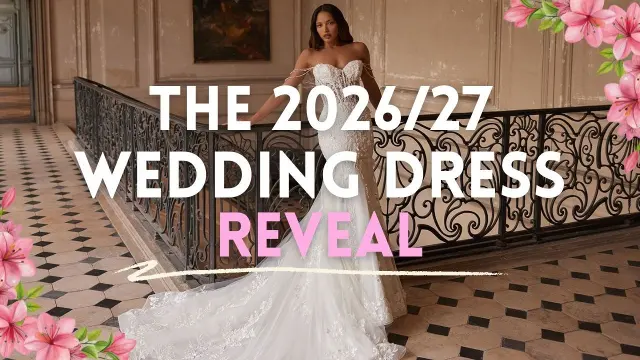
 2026 and 2027 Bridal Trends: Lace, Minimalism and Regency Silhouettes
#Minimalist Bridal
1 ideas
2026 and 2027 Bridal Trends: Lace, Minimalism and Regency Silhouettes
Get new #Minimalist Bridal ideas by email
Every Thursday: the week's best ideas, with the newest from #Minimalist Bridal.
Related tags
Minimalist Bridal: A Guide to Quiet, Timeless Wedding Style
Minimalist bridal is a way of dressing for a wedding that trusts restraint. Instead of building a look from lace, beading, volume and embellishment, it starts with a clean silhouette and lets fabric, fit and finish carry the impression. The result is a bride who looks composed rather than decorated — someone whose dress is quiet enough that she is the thing people notice first.
Where it comes from
Wedding dress history runs in cycles between ornament and simplicity. Minimalism in bridal wear draws on several threads at once: the plain silk gowns of the early nineteenth century, when neoclassical taste favoured soft columns of fabric over structure; the mid-twentieth-century couture practice of cutting a single beautiful cloth into a dress with almost no trim; and the broader design tradition — in fashion, architecture and interiors — that treats "less" as a discipline rather than a shortcut. What these share is confidence in proportion.
The main shapes
Read more
Most minimalist dresses fall into a handful of families. The slip dress is the most familiar: a bias-cut or straight-cut gown, often in silk satin or crepe, that follows the body without gripping it. The column is a narrow, vertical line, frequently with a high or square neckline. The A-line reduced to its essentials — a fitted bodice, a smooth skirt, no netting — is the easiest entry point if you want coverage and movement. Then there are the architectural options: a structured bodice with a simple skirt, an exposed seam, a sculpted back. Jumpsuits and two-piece looks belong here too.
Fabric does the work
With no lace to distract the eye, cloth becomes the whole story. Silk crepe falls heavily and hides creases; satin catches light and shows every wrinkle; organza and mikado hold a shape. Ask to see fabric in daylight and to sit, walk and turn in it before you commit, because in a plain dress there is nothing to disguise how a material behaves. Linings and interlining matter more than they would under embroidery.
Details that count
Minimalism is not the absence of decisions. It moves the interest to edges: a neckline cut at exactly the right depth, a covered button, a row of tiny buttons down the back, a sash tied flat, a hem that grazes the floor. Accessories can stay sparse — a single pair of earrings, a fine veil, plain shoes — or you can use one deliberate contrast, such as a strong earring against a bare neckline.
Practical advice for beginners
Start with silhouette, not decoration, and try on more shapes than you think you want. Stand in front of a mirror in natural light. Check how the dress photographs without detail to break up the surface, and remember that plain white fabric photographs as a broad area of light, so seams and fit lines are visible. Bring the underwear you intend to wear. Consider that a minimalist gown often works again if it is hemmed, which is worth weighing against a more theatrical dress. And allow for movement: a simple dress should let you walk, sit and dance without constant adjustment. If you feel underdressed at first, that is usually familiarity rather than a mistake — give yourself a moment in the mirror before deciding.
#Minimalist Bridal: frequently asked questions
What does minimalist bridal actually mean?
It is a way of dressing for a wedding that relies on restraint rather than decoration: a clean silhouette where fabric, fit and finish create the impression instead of lace, beading or volume. The aim is a bride who looks composed rather than decorated, quiet enough that she is what people notice first.
How do I start if I want a minimalist wedding dress?
Start with silhouette, not decoration, and try on more shapes than you think you want while standing in natural light. Bring the underwear you intend to wear and check how the dress photographs, since plain fabric reads as a broad area of light and every seam and fit line shows.
Which minimalist shape should I choose?
The slip dress is the most familiar and follows the body without gripping it, while a column gives a narrow vertical line and an A-line reduced to a fitted bodice and smooth skirt is the easiest entry point if you want coverage and movement. Structured bodices, sculpted backs, jumpsuits and two-piece looks all belong to the same family, so pick the one that suits how you want to move.
Which fabric matters most in a plain dress?
Fabric becomes the whole story when nothing is there to distract the eye: crepe falls heavily and hides creases, satin catches light and shows every wrinkle, and organza or mikado hold a shape. Ask to see the cloth in daylight and sit, walk and turn in it before committing, since linings and interlining do far more work than they would under embroidery.
How should I accessorize a minimalist bridal look?
Keep accessories sparse — a single pair of earrings, a fine veil, plain shoes — or use one deliberate contrast such as a strong earring against a bare neckline. Minimalism is not the absence of decisions: the interest moves to edges, so a well-judged neckline, covered buttons or a flat-tied sash carry more weight than added sparkle.
What mistakes do people make with minimalist bridal?
The common ones are choosing decoration before silhouette, and mistaking a plain dress for one that needs no fitting, when fit lines and seams are exactly what is visible. Feeling underdressed at first is usually familiarity rather than a mistake, so give yourself a moment in the mirror before deciding.
Videos come from YouTube and posts from Instagram; titles and summaries are our own. All rights belong to their creators.