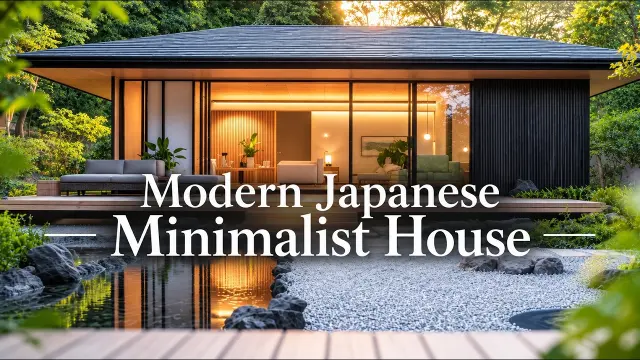
 Exploring Modern Minimalist Japanese Style Architecture
#Minimalist Design
3 ideas
Exploring Modern Minimalist Japanese Style Architecture
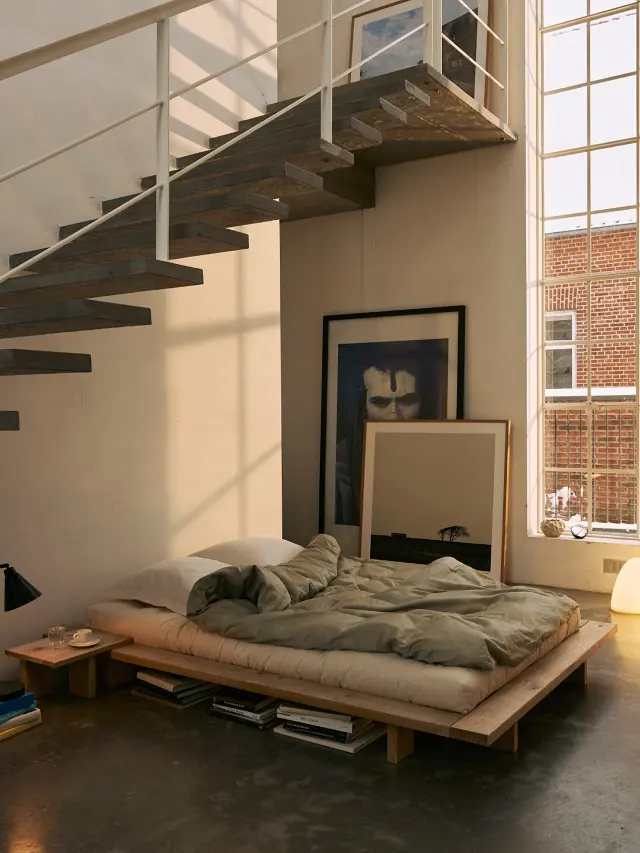 Minimalist Oak Japan Bed Frame
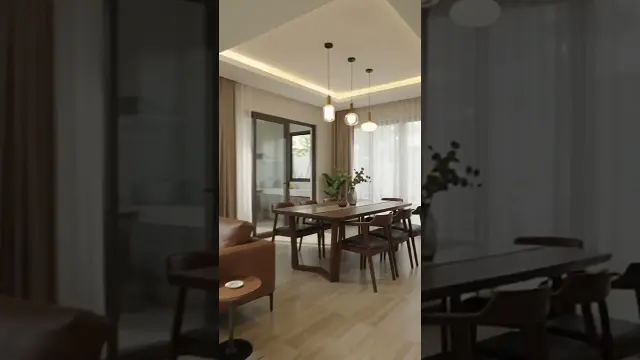 Tour of a Modern Minimalist Corner House
Get new #Minimalist Design ideas by email
Every Thursday: the week's best ideas, with the newest from #Minimalist Design.
Related tags
Minimalist Design: Simple Spaces and Clear Form
Minimalist design is an approach that favors simplicity, clarity, and careful restraint. Instead of filling a space or an object with decoration, it focuses on what is necessary and useful, letting form, proportion, light, and material speak for themselves. You can find minimalist ideas in architecture, interiors, graphic design, product design, and even fashion, because the style is really about editing rather than adding.
What minimalist design means
At its core, minimalist design asks a simple question: what can be removed without losing the purpose or beauty of something? The answer often leads to clean lines, open space, a limited color palette, and a sense of calm. It is not about making everything empty or cold. Done well, minimalism feels thoughtful, balanced, and quietly elegant.
The style grew from earlier modern design movements that valued function, honesty of materials, and simple geometry. It has also been influenced by Japanese aesthetics, which often emphasize restraint, natural materials, and the beauty of space itself. Because of that, minimalist design often feels both modern and timeless.
Read more
Main characteristics
Minimalist design usually includes:
- Clear, simple shapes
- A reduced color palette, often with neutral tones
- Open space and visual breathing room
- Functional details without unnecessary ornament
- Consistency in materials, forms, and finishes
- Attention to proportion and light
This style can look very different depending on the setting. A home may feel warm and soft with wood, linen, and natural textures, while a graphic layout may use strong spacing, typography, and contrast. What unites them is the discipline of keeping only what matters.
Common styles and influences
Minimalism appears in many forms. In interiors, it may lean toward soft and natural, with pale colors and organic materials. In architecture, it may emphasize simple volumes, strong lines, and a close connection to light and space. In visual design, it may rely on grid systems, generous margins, and a limited number of visual elements.
Some minimalist spaces feel more spare and formal, while others are warmer and more lived in. You do not need to choose one extreme. The best minimalist design usually reflects how you want a space or object to feel: calm, orderly, airy, refined, or practical.
Practical tips if you are starting out
If you want to work with minimalist design, begin by editing carefully rather than stripping everything away at once. Keep the pieces that serve a purpose or bring real visual balance.
- Choose a few materials or colors and repeat them consistently
- Leave empty space so the eye can rest
- Use quality and proportion to create interest instead of decoration
- Avoid too many competing shapes, patterns, or finishes
- Let natural light and texture do some of the work
- Think about function first, then refine the details
Minimalism also needs warmth to feel inviting. A space can still be minimal and have softness through natural materials, subtle texture, and well-chosen objects. The goal is not perfection, but clarity.
Why minimalist design lasts
Minimalist design endures because it is flexible and calm. It can make small spaces feel more open, busy spaces feel more organized, and everyday objects feel more intentional. If you like design that feels quiet, honest, and uncluttered, minimalism offers a way to create beauty without excess.
Videos come from YouTube and posts from Instagram; titles and summaries are our own. All rights belong to their creators.