 Condor FlyPink Airbus A320 RC Scale Model Beach Landing
#Model Aircraft
3 ideas
Condor FlyPink Airbus A320 RC Scale Model Beach Landing
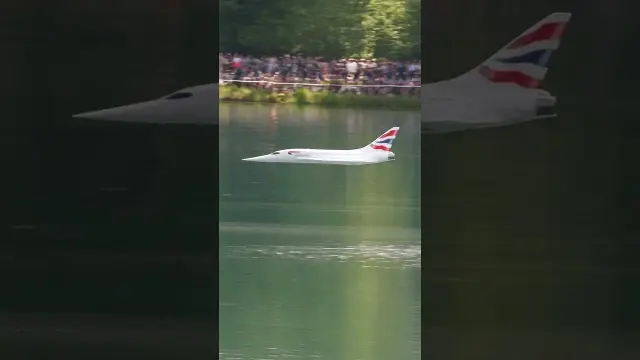 Concorde Supersonic Airliner RC Scale Model Flight
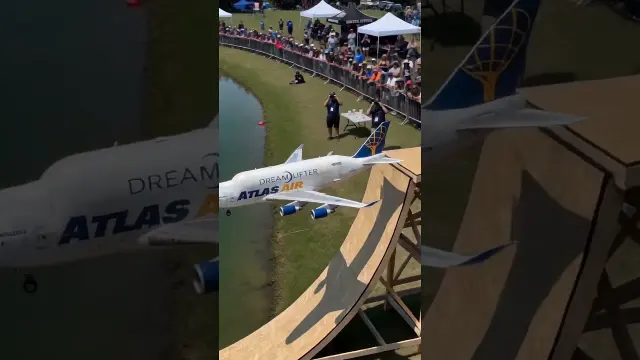 Atlas Air Dreamlifter RC Scale Model Flight and Landing
Get new #Model Aircraft ideas by email
Every Thursday: the week's best ideas, with the newest from #Model Aircraft.
Related tags
Model Aircraft: A Beginner’s Guide
Model aircraft are miniature versions of real aircraft, made for display, building, collecting, or flying. They can be simple static models or fully functional flying models controlled by radio. People enjoy them for many reasons: the engineering, the painting and detailing, the satisfaction of building something precise, and the challenge of making it fly well.
The hobby has a long history and has grown alongside aviation itself. Early model aircraft were often handmade from wood, paper, and fabric, used to explore the shapes and principles of real flight. Today, model aircraft still reflect full-sized planes closely, but they also include imaginative designs and specialist types made purely for performance or enjoyment.
Main types of model aircraft
There are a few broad categories you’ll come across:
Read more
- Static display models: built for appearance rather than flight. These may be simple snap-fit kits or highly detailed scale replicas.
- Free-flight models: designed to fly without remote control, usually with careful trimming for stable flight.
- Radio-controlled models: flown by a transmitter and receiver, ranging from small trainers to detailed scale aircraft.
- Gliders and sailplanes: built to stay aloft by using rising air and efficient wing design.
- Flightless replicas: sometimes used for decoration, education, or museum-style display.
Model aircraft also vary by material. You might find plastic kits, balsa wood builds, foam models, or mixed-material designs. Each has its own feel and level of difficulty.
Scale and style
Many model aircraft are built to a scale, which means they are proportionally reduced from the original aircraft. Scale models can be very realistic, with accurate markings, landing gear, and cockpit detail. Others focus more on flying performance than exact appearance.
Common styles include:
- Warbirds and classic aircraft
- Passenger and transport aircraft
- Gliders and sailplanes
- Aerobatic and sport models
- Fictional or experimental designs
If you enjoy realism, scale detailing may appeal to you. If you want easier handling, a simpler sport model is often a better place to begin.
What beginners should know
If you’re new to the hobby, start with something forgiving. A model that is stable, durable, and easy to repair will make learning much more enjoyable. Read the instructions carefully before assembling anything, and take time with alignment, because small errors can affect how a model flies.
A few practical tips:
- Begin with a trainer-style aircraft if you want to fly.
- Work in a clean, well-lit space for building and painting.
- Use lightweight materials when possible, especially for flying models.
- Check balance and control surfaces before every flight.
- Practice gently and in a suitable open area.
Patience matters. Model aircraft reward careful work, but they also teach you a lot through trial and error.
Why people keep building them
Model aircraft combine creativity, precision, and a fascination with flight. Some people enjoy the craftsmanship of building and finishing them; others prefer the technical side of trimming and flying. However you approach it, the hobby offers a satisfying way to connect with aviation on a smaller scale.
#Model Aircraft: frequently asked questions
How do I get started with model aircraft as a beginner?
Start with a simple, stable model that is designed to be forgiving and easy to repair. If you want to fly, a trainer-style aircraft is usually the easiest way to learn, and it helps to practice in an open space with careful setup and patience.
What do I need to build or fly a model aircraft?
What you need depends on the type you choose. Static models mainly need basic building and painting supplies, while flying models may also need a transmitter, receiver, and tools for checking balance and control surfaces.
Which type of model aircraft is best for me: static, free-flight, or radio-controlled?
If you enjoy detail and display, a static model or scale replica is a great choice. If you want motion and control, radio-controlled models offer the most interaction, while free-flight models are a good option for those who like trimming and watching the aircraft fly on its own.
How do I keep a model aircraft in good condition?
Store it in a clean, dry place and handle it carefully, especially around wings, landing gear, and delicate details. For flying models, check the balance and control surfaces before each flight, and make repairs promptly if anything becomes loose or damaged.
What are some common mistakes people make with model aircraft?
A common mistake is choosing a model that is too advanced at the start, which can make learning frustrating. Another is rushing the build or ignoring alignment, since small errors can affect both the look and the flight performance.
What kind of model aircraft works well as a gift or display piece?
A detailed scale model or flightless replica makes a strong decorative piece for a desk, shelf, or themed room. These are especially good when the goal is to celebrate aviation style and craftsmanship rather than flying performance.
Videos come from YouTube and posts from Instagram; titles and summaries are our own. All rights belong to their creators.