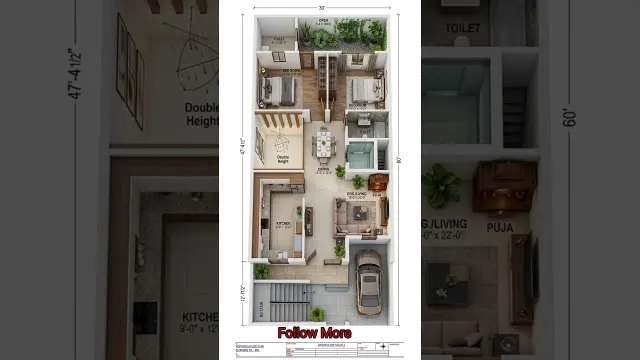
 Modern East Facing 30x60 House Plans and Elevation Design
#Modern House
7 ideas
Modern East Facing 30x60 House Plans and Elevation Design
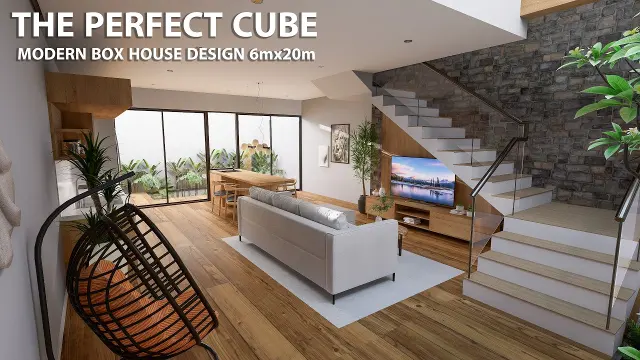 Two-Story Modern Minimalist House Tour with Three Bedrooms
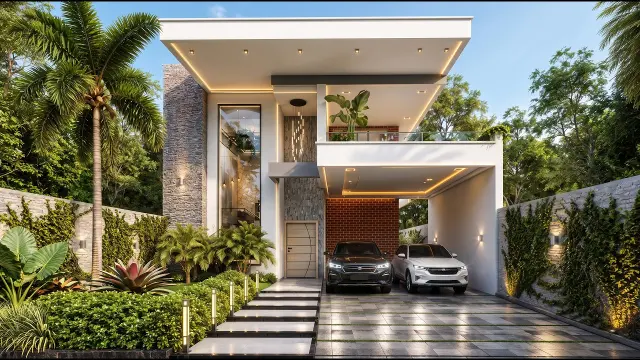 Modern Minimalist Two-Story House Plans With Pool
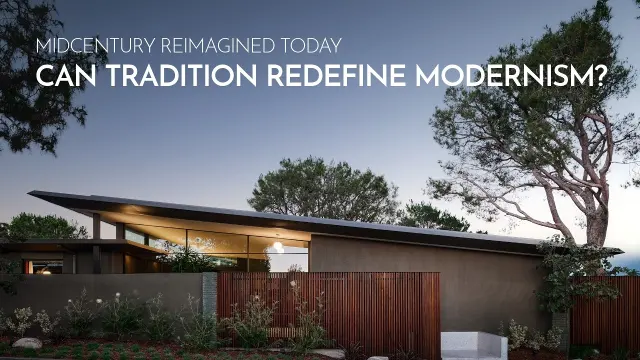 The Reinvention of a Midcentury Modern House in Los Angeles
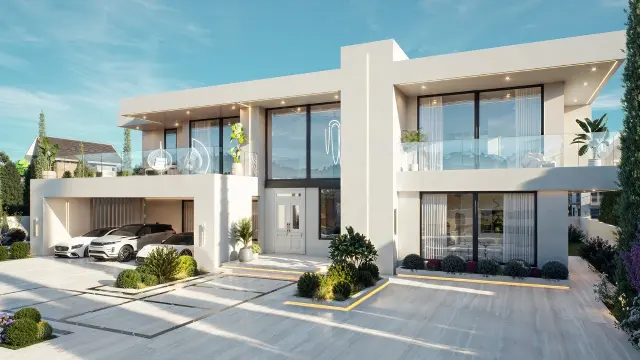 Six Bedroom Modern Luxury Two-Story House Design
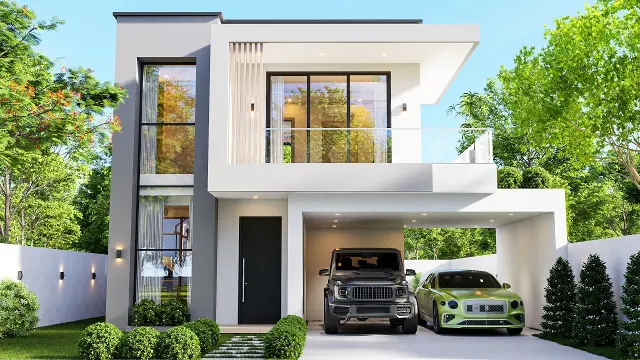 Modern Two-Story House Design with Four Bedrooms
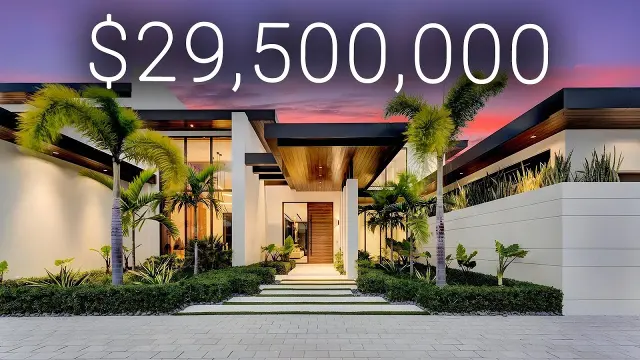 Waterfront Modern Estate Tour in Boca Raton
Get new #Modern House ideas by email
Every Thursday: the week's best ideas, with the newest from #Modern House.
Related tags
Modern House Style and Design Guide
What a modern house is
A modern house is a home designed around simplicity, function, and open living. The term can be a little confusing, because it may refer either to the modernist architecture of the early and mid-20th century, or more generally to homes that feel clean-lined, uncluttered, and up to date. In both cases, the emphasis is usually on light, space, and honest materials rather than decoration for its own sake.
Modern houses developed as architects began to move away from heavy ornament and toward practical forms that suited changing ways of living. Large windows, open floor plans, flat or low-pitched roofs, and a close connection to the outdoors are all common features. Today, the style is used in many different settings, from compact city homes to larger family houses.
Common features
Read more
A modern house often includes:
- Simple geometric shapes
- Open-plan kitchen, dining, and living areas
- Large windows for natural light
- A neutral or restrained color palette
- Smooth surfaces and minimal ornament
- A mix of materials such as wood, glass, steel, stone, or concrete
- Indoor and outdoor spaces that feel connected
Not every modern house includes all of these elements, but together they create a sense of clarity and calm. The style works well when the layout is logical and the details are carefully considered.
Main styles within modern house design
Modern house design includes several related approaches. Some are closely tied to architectural history, while others are broader interpretations of the idea.
- Midcentury modern: Known for clean lines, warm wood tones, large windows, and a strong relationship to the landscape.
- Minimalist modern: Focuses on very simple forms, limited materials, and a clutter-free interior.
- Contemporary modern: Uses current design ideas, often with softer lines, mixed textures, and flexible layouts.
- Modern farmhouse: Blends modern simplicity with a more traditional, comfortable feel.
- Industrial modern: Features raw materials, visible structure, and a more urban character.
You do not need to choose a style exactly. Many homes combine elements from several approaches, as long as the result feels balanced and intentional.
Materials and details
Modern houses often rely on materials that look clean and natural. Wood can soften the look of glass and metal. Concrete and stone can add weight and structure. White walls are common, but darker tones and earthy colors can work just as well when used thoughtfully.
Details matter a great deal. In a modern house, the proportions of windows, the alignment of surfaces, and the transition between rooms can have as much impact as decorative pieces in a more traditional home. Built-in storage is especially useful, because it helps keep spaces open and uncluttered.
Practical tips for beginners
If you are designing or decorating a modern house, start with function. Think about how you move through the home, where you need storage, and how much privacy each space requires. A modern plan can feel beautiful, but it should also support everyday life.
A few useful principles:
- Choose a limited number of materials and repeat them throughout the home.
- Let natural light do some of the visual work.
- Keep furniture simple in shape, but comfortable.
- Use texture to add warmth, especially in rooms with many smooth surfaces.
- Avoid filling every wall or shelf; give the space room to breathe.
A modern house does not have to feel cold or sparse. With good proportions, warm materials, and thoughtful planning, it can feel both elegant and welcoming.
Videos come from YouTube and posts from Instagram; titles and summaries are our own. All rights belong to their creators.