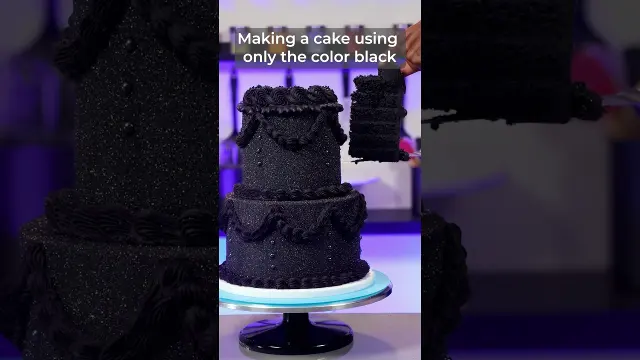
 Monochromatic Black Cake Decorating Process
#Monochromatic Cake
1 ideas
Monochromatic Black Cake Decorating Process
Get new #Monochromatic Cake ideas by email
Every Thursday: the week's best ideas, with the newest from #Monochromatic Cake.
Related tags
Monochromatic Cakes: A Simple Colour-Blocked Style
Monochromatic cake
A monochromatic cake is a cake decorated using one colour and its shades, tints, and textures. Instead of mixing many colours, you focus on a single hue and build interest through depth, finish, and detail. The result can feel elegant, modern, playful, or dramatic depending on the colour you choose and how you use it.
This style appears in many kinds of cake decorating, from smooth buttercream finishes to rustic textures, piped borders, painted effects, and simple floral accents. It is a useful approach when you want a design that feels cohesive and visually calm. Because the eye reads the cake as one colour family, small changes in tone and texture become more noticeable.
What makes a cake monochromatic
Read more
A monochromatic cake does not have to be flat or plain. You can work with:
- lighter and darker shades of the same colour
- matte, glossy, or velvety finishes
- subtle piping details
- sugar flowers, fruit, or decorations in matching tones
- different textures, such as smooth sides and textured tops
For example, a white cake can include ivory, cream, and soft pearl tones. A pink cake might use blush, rose, and deeper berry shades. A black or dark cake often relies on texture, contrast, and careful finishing so the design stays balanced rather than heavy.
How to plan the design
Start by choosing the colour family and the feeling you want. Soft shades usually feel delicate and romantic, while stronger colours feel bold and refined. Think about the event, the season, and the setting, but keep the design timeless so it still looks good years later.
It helps to decide early whether you want the cake to be:
- smooth and minimal
- textured and handmade
- refined and formal
- whimsical and decorative
The same colour can look very different depending on the finish. A satin buttercream surface gives a calm, polished look, while rougher swirls or piped textures create more movement.
Techniques you can use
There are many ways to create a monochromatic cake. Some of the most common are:
- buttercream smoothing or rough-spatula texture
- piping in the same colour family
- fondant covering with simple accents
- palette-knife painting
- airbrushed or brushed colour gradients
- matching sprinkles, pearls, or sugar shapes
If you are new to cake decorating, begin with one colour and one texture. For example, a single-tone buttercream cake with a few matching decorations is often easier than trying several finishes at once.
Practical tips for beginners
Keep the colour controlled. Add colour gradually so you do not overdo it. If you are tinting frosting, remember that colours can deepen over time, especially after resting.
Use texture to create interest. When the palette is limited, small details matter more. A simple border, a few piped rosettes, or a neat cluster of matching decorations can make the design feel complete.
Also, pay attention to contrast in shape, not just colour. A monochromatic cake can still have strong visual variety through tall and short elements, smooth and rough surfaces, or large and delicate decorations.
A simple design principle
The strongest monochromatic cakes usually feel balanced rather than busy. Choose one main colour, repeat it thoughtfully, and let texture do the work. With a careful hand, even a very simple cake can look polished, elegant, and memorable.
Videos come from YouTube and posts from Instagram; titles and summaries are our own. All rights belong to their creators.