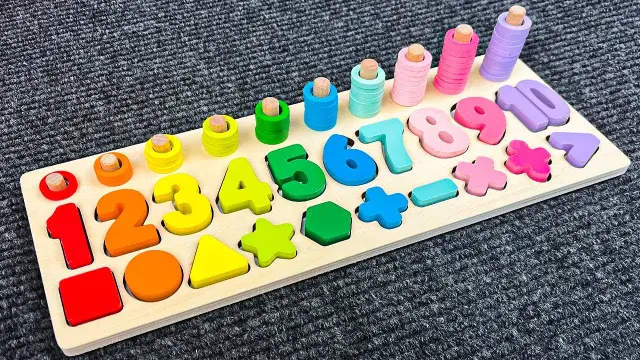
 Montessori Inspired Learning with Numbers and Shapes
#Montessori
1 ideas
Montessori Inspired Learning with Numbers and Shapes
Get new #Montessori ideas by email
Every Thursday: the week's best ideas, with the newest from #Montessori.
Related tags
Montessori: An Introduction to the Approach
Montessori is an educational approach built around the idea that children learn best when they are free to explore, choose meaningful activities, and work at their own pace. It was developed by Maria Montessori, an Italian doctor and educator who observed that children are naturally curious and capable of deep concentration when they are given a prepared environment and respectful guidance.
What Montessori means
In a Montessori setting, the adult is not the center of the lesson. Instead, the focus is on the child’s independence, concentration, and hands-on learning. Materials are usually arranged so children can reach them easily, use them in a clear sequence, and return them when finished. This helps build order, confidence, and responsibility.
Montessori is used in schools, homes, and early learning environments. It can support many areas of development, including language, practical life skills, movement, sensory awareness, mathematics, and cultural learning. It is especially known for encouraging children to learn by doing rather than only by listening.
Read more
Main Montessori principles
A few ideas appear again and again in Montessori practice:
- Prepared environment: the space is organized, calm, and accessible to the child.
- Independence: children are encouraged to try tasks for themselves.
- Freedom within limits: children make choices, but within clear boundaries.
- Hands-on learning: real objects and active work are preferred over passive instruction.
- Observation: the adult watches carefully to understand what the child needs next.
- Respect for the child: the child is treated as capable and worthy of trust.
Common Montessori materials and activities
Montessori materials are often designed to isolate one concept at a time. For example, a child may work with a material that focuses only on size, texture, quantity, or sound. Many activities are practical and everyday in nature, such as pouring, buttoning, sorting, cleaning, arranging, or preparing food.
You may also see materials for:
- Counting and number recognition
- Letter sounds and early reading
- Shape and sensory matching
- Fine motor control
- Life skills like dressing, sweeping, and setting a table
These activities may look simple, but they help children develop coordination, concentration, and a sense of competence.
What beginners should know
If you are new to Montessori, it helps to remember that the goal is not perfection. The method is less about rigid rules and more about creating conditions where learning can unfold naturally. A child does not need a full classroom to benefit from Montessori ideas. A few well-chosen materials, a tidy shelf, and the chance to do things independently can make a real difference.
When introducing Montessori-inspired activities at home or in a classroom, keep things calm and practical. Offer only a few options at a time. Show each activity slowly and clearly. Then step back and let the child repeat it as often as needed.
Practical tips
- Choose activities that match the child’s stage of development.
- Keep materials simple, complete, and easy to put away.
- Rotate items occasionally so the environment stays focused.
- Let the child finish a task before moving on.
- Use real-life activities whenever possible.
- Guide gently, but avoid taking over too quickly.
Montessori works best when you trust the child’s desire to learn. By giving space, structure, and respectful guidance, you create an environment where learning feels natural, purposeful, and satisfying.
Videos come from YouTube and posts from Instagram; titles and summaries are our own. All rights belong to their creators.