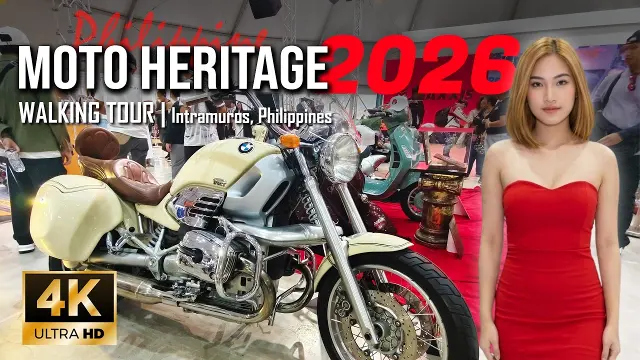
 Inside the Philippine Moto Heritage Weekend in Intramuros
#Motorcycles
2 ideas
Inside the Philippine Moto Heritage Weekend in Intramuros
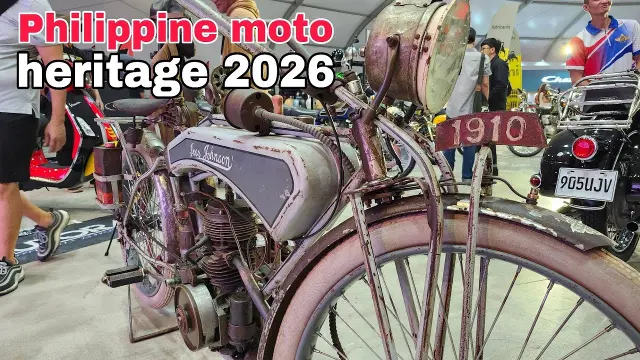 Classic and Custom Motorcycles at Philippine Moto Heritage
Get new #Motorcycles ideas by email
Every Thursday: the week's best ideas, with the newest from #Motorcycles.
Related tags
Motorcycles: A Guide to Types, Riding and Care
A motorcycle is a two-wheeled motor vehicle steered by handlebars, powered by an engine mounted between or beneath the rider. Because a motorcycle stays upright on two wheels only through balance and momentum, riding is as much a physical skill as a way of travelling: the rider leans into corners, shifts weight, and reads the road continuously. That combination of simplicity and demand is what draws people to them.
A short history
The first motorcycles appeared in the late nineteenth century, built by attaching small combustion engines to bicycles. Early machines used belt drives and simple frames; over the following decades the layout settled into something recognisable — an engine, a gearbox, a chain or shaft to the rear wheel, and a fuel tank above the frame. Mass production made them affordable, and they became the working vehicle of much of the world, from rural delivery routes to city commutes, before and alongside the car.
The main kinds
Read more
Motorcycles are usually grouped by purpose rather than by engine alone.
- Standard or naked bikes have an upright riding position and no fairing — versatile, easy to handle, and a common first machine.
- Cruisers place the rider low with feet forward, built for relaxed, long-distance riding.
- Sport and supersport bikes favour aerodynamics, power and quick steering, with a forward-leaning posture.
- Touring bikes carry fairings, luggage and comfortable seating for long journeys.
- Dual-sports and adventure bikes have longer suspension and greater ground clearance so they can leave paved roads.
- Scooters and mopeds are step-through machines with small wheels and automatic transmission, popular for short urban trips.
- Off-road machines — motocross and enduro — are light, tall and stripped down for dirt use only.
What beginners should know
Riding well starts before the engine does. A rider needs a helmet that fits properly, along with gloves, sturdy boots and abrasion-resistant clothing; these are the basic protection, not accessories to add later. Most places require a specific licence and training, and a formal course is the single most useful investment — it teaches braking, slow-speed control and how to read traffic from a rider's viewpoint.
Riders should also understand that visibility is a shared responsibility: staying out of blind spots, signalling early and never assuming a driver has seen you. Riding tired, in poor weather, or in clothing that limits movement all raise the risk considerably.
Owning and maintaining one
A motorcycle rewards routine attention. Tyre pressure and tread, chain tension and lubrication, brake function, and fluid levels are the checks worth doing regularly — a worn tyre or slack chain changes how the machine behaves far more than it would on a car. Store it under cover where possible, and follow the manufacturer's service schedule rather than waiting for something to fail.
For anyone curious, motorcycle culture is broad and welcoming: restoration and custom building, long-distance touring, track riding, and community rides that gather riders of every machine and background.
Whether you ride to commute or to travel, the appeal is the same — a small, honest machine that asks you to pay attention and gives back the road in full.
#Motorcycles: frequently asked questions
How do you get started with riding a motorcycle?
Start by getting proper gear that fits well — a correctly sized helmet, gloves, sturdy boots and abrasion-resistant clothing — since protection comes before any bike does. Then take a formal training course and sort out the licence your area requires, because a course teaches braking, slow-speed control and traffic awareness from a rider's viewpoint in a way that self-teaching can't. Only after that should you think about which machine to buy.
Which type of motorcycle is best for a beginner?
Standards or naked bikes are the usual recommendation: an upright riding position, no fairing, and handling that feels predictable, which makes them forgiving to learn on. Scooters and mopeds are another sensible option for short city trips, since their step-through frame and automatic transmission keep things simple. Sport bikes and big touring machines are better left until the basics are second nature.
What should I check on a motorcycle regularly?
Tyre pressure and tread, chain tension and lubrication, brake function and fluid levels are the checks worth doing often, because a worn tyre or a slack chain changes how the bike behaves much more than the equivalent would on a car. Follow the manufacturer's service schedule instead of waiting for something to break, and store the bike under cover where you can. Routine attention is what keeps a motorcycle reliable and safe.
How can a rider stay safer in traffic?
Assume you haven't been seen: stay out of drivers' blind spots, signal early, and read the road ahead continuously rather than reacting late. Avoid riding when tired, in poor weather, or in clothing that restricts your movement, since all of those raise the risk considerably. Visibility is a shared responsibility, but the rider is the one who has to plan for it.
What kinds of motorcycle riding can I get into beyond commuting?
The culture is broad: restoration and custom building, long-distance touring, track riding, and community rides that bring together riders of every machine and background. Events like heritage weekends and custom shows are an easy way in, whether you own a bike or just want to look. Most people start with one interest and drift into others as they meet riders.
What common mistakes do new riders make?
Treating gear as an optional add-on rather than part of riding is the big one, along with skipping formal training and learning only from a friend. Another is neglecting simple upkeep — ignoring tyre wear or chain slack — and assuming car drivers have noticed them. Buying a machine that's too powerful or too specialised for the riding they actually do is also a frequent regret.
Videos come from YouTube and posts from Instagram; titles and summaries are our own. All rights belong to their creators.